
The most effective infrastructure video strategy follows the project lifecycle and gives every video a clear audience, message, approval owner and distribution channel. For infrastructure communications teams, that means planning content before the first sod is turned, not scrambling for footage when a ministerial announcement, community concern or milestone arrives. A strong plan helps major transport, energy, utilities, construction and public works projects explain what is happening, why it matters, how people are affected and where to get reliable updates.
These 20 strategies build on the core promise of video: making complex infrastructure visible, human and understandable. Use them as a menu, then brief each piece with purpose, safety requirements and approvals. If your team needs production support, Visionair Media’s video production for communications service is a practical starting point.
Planning and Consultation: Set the Public Narrative
Project launch films
Purpose: create a confident first impression. Audience: residents, media, government and project partners. Format: a short hero film using maps, concept renders, location footage and senior voices. Planning consideration: keep claims aligned with approved scope, funding status and delivery certainty.
Community consultation videos
Purpose: invite participation before decisions feel fixed. Audience: affected communities, businesses and interest groups. Format: community consultation video explaining options, benefits, constraints and feedback pathways. Planning consideration: show how submissions will be used, and provide captions, translated versions or accessible formats where required.
Animated route or design explainers
Purpose: simplify alignments, staging, engineering choices or service changes. Audience: residents, councillors, journalists and internal briefers. Format: 2D maps, 3D models, captions and voiceover. Planning consideration: version control is critical because design assumptions can change quickly.
Executive or ministerial announcements
Purpose: capture clear leadership messages for government infrastructure communications. Audience: media, stakeholders, employees and the public. Format: controlled piece-to-camera, event coverage and cutdowns for social channels. Planning consideration: confirm speaking approvals, embargoes, branding, security and media protocols before filming.
Construction and Delivery: Show Progress, Access and Disruption
Project progress videos
Purpose: maintain confidence during long delivery periods. Audience: community, executives, contractors and funding partners. Format: monthly project progress videos combining interviews, site footage, graphics and before-and-after comparisons. Planning consideration: schedule filming around genuinely visual activities, not only reporting dates.
Drone and aerial documentation
Purpose: reveal scale, access routes, earthworks and interface points that ground cameras miss. Audience: project teams, media and stakeholders. Format: CASA-compliant aerial footage, maps and stills. Planning consideration: check airspace, permits, site rules, privacy, weather and operational restrictions; Visionair’s drone aerial photography page explains suitable applications.
Time-lapse records
Purpose: compress months of work into a clear visual story. Audience: community, boards, project teams and future case study viewers. Format: fixed cameras, scheduled captures and milestone edits. Planning consideration: plan power, access, data management, maintenance and privacy before installation.
Traffic and disruption updates
Purpose: reduce confusion when routes, services or access arrangements change. Audience: commuters, nearby residents, businesses and freight operators. Format: short PSAs, animated detour maps and vertical social edits. Planning consideration: publish early, update often and retire outdated versions to avoid mixed messages.
Safety and Workforce: Put People at the Centre
Site induction and safety videos
Purpose: reinforce a culture of caution on high-risk sites. Audience: employees, subcontractors, visitors and delivery partners. Format: induction modules, scenario demonstrations, PPE explanations and hazard graphics. Planning consideration: validate content with safety leaders and keep it consistent with current site procedures.
Worker profiles
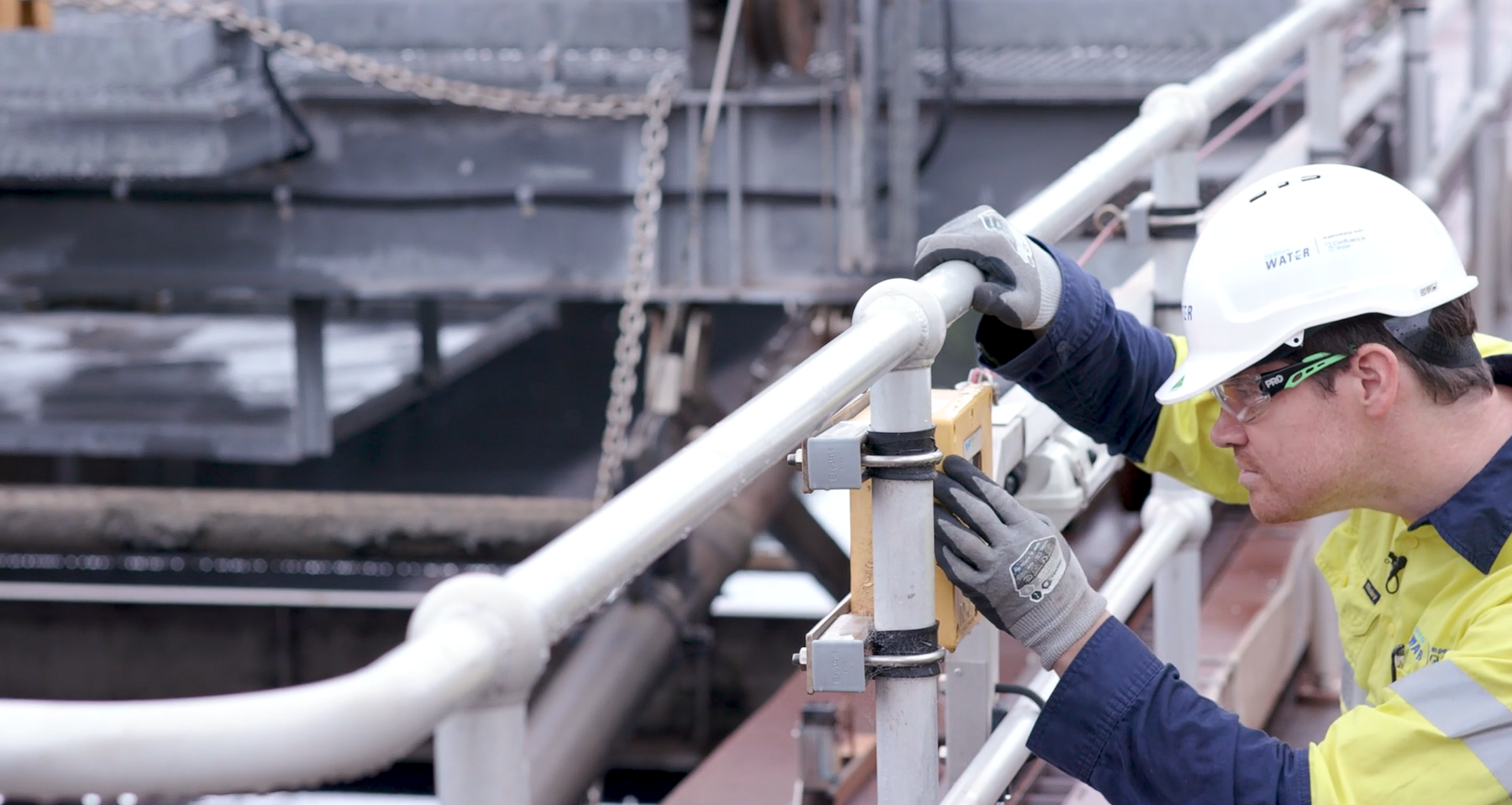
Purpose: humanise the project and recognise the people behind it. Audience: community, internal teams and future recruits. Format: behind-the-scenes interviews with engineers, operators, apprentices, traffic controllers or environmental specialists. Planning consideration: choose diverse roles, obtain consent and avoid filming tasks that interrupt safe work.
Recruitment and workforce attraction
Purpose: show the career paths infrastructure creates. Audience: candidates, graduates, trades and regional workers. Format: day-in-the-life videos, role explainers and culture films. Planning consideration: be honest about site conditions, rosters, locations and development opportunities; internal communications video can also support retention.
Training and knowledge transfer
Purpose: preserve hard-won project knowledge for operations, maintenance and future projects. Audience: asset owners, facility operators and delivery teams. Format: procedure videos, expert walkthroughs, screen recordings and annotated footage. Planning consideration: organise media so it remains searchable after handover.
Environment and Social Licence: Build Trust Responsibly
Environmental mitigation stories
Purpose: explain studies, offsets, erosion controls, noise management, biodiversity protection and other mitigations. Audience: regulators, communities and environmental stakeholders. Format: site footage, animation, expert interviews and plain-English captions. Planning consideration: avoid oversimplifying impacts; have technical reviewers approve scripts.
Local procurement and supplier stories
Purpose: show economic benefits through real suppliers, apprenticeships and local capability. Audience: community, business groups, councils and project sponsors. Format: mini-profiles filmed at workshops, yards or regional businesses. Planning consideration: confirm commercial sensitivities and avoid implying guarantees beyond approved procurement arrangements.
Indigenous and community participation
Purpose: acknowledge participation, cultural knowledge or community benefits where appropriate. Audience: project partners, community members and stakeholders. Format: interviews, event coverage or educational pieces. Planning consideration: consultation, consent, terminology, cultural permissions and approvals must be led by the relevant community and project protocols, not assumed.
Issue or crisis response videos
Purpose: provide clear, calm information during incidents, delays, outages or misinformation. Audience: affected communities, media, staff and decision-makers. Format: executive updates, FAQ videos, animated explainers or rapid social clips. Planning consideration: pre-agree escalation paths, spokespersons, legal review and publishing authority.
Milestones and Completion: Turn Delivery into Evidence
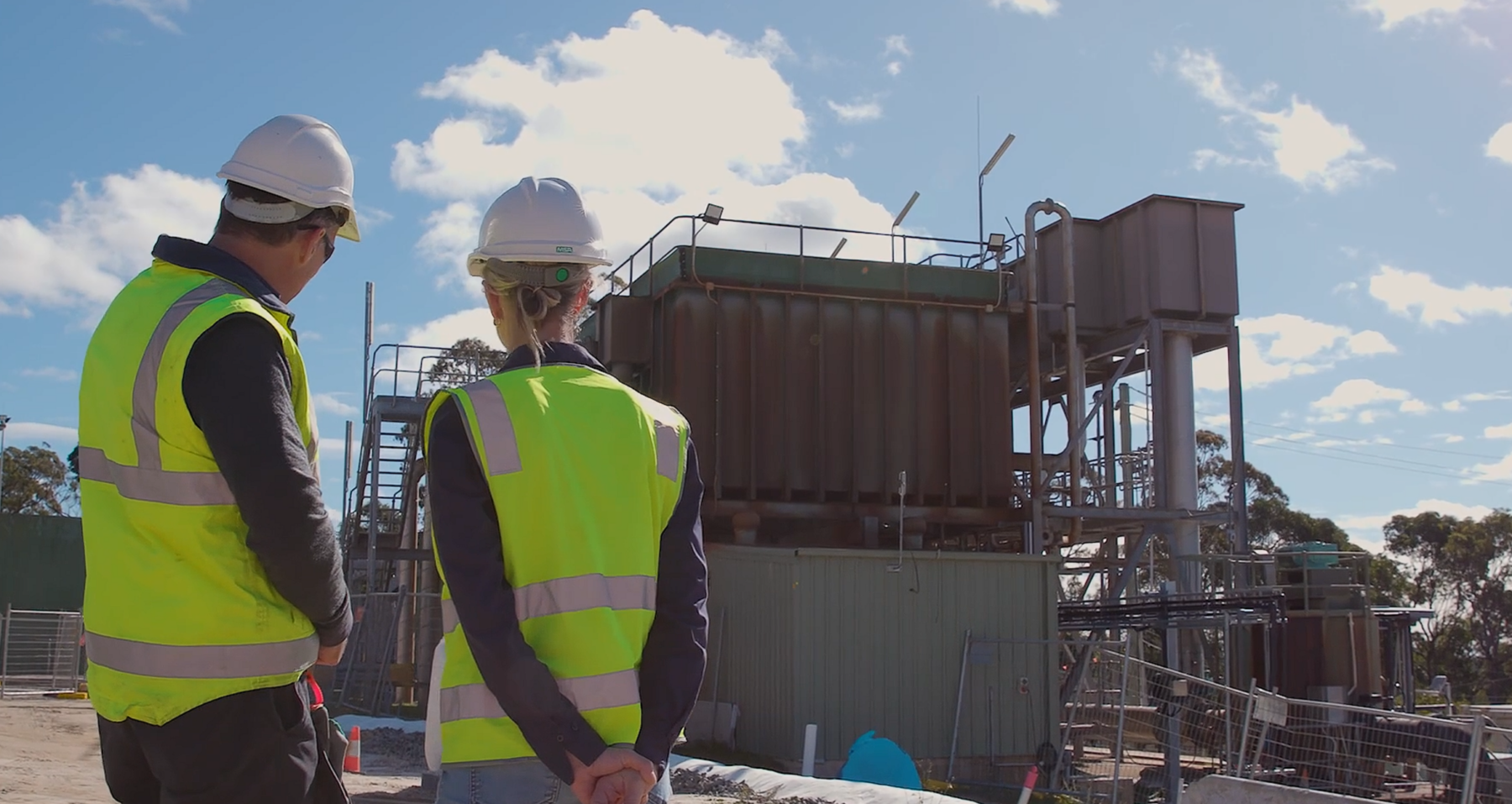 Technical explainers
Purpose: demystify tunnelling, bridge launches, signalling, water treatment, grid connections or materials. Audience: interested residents, technical stakeholders, schools and media. Format: engineer interviews, animations and 3D visualisations. Planning consideration: translate jargon without removing necessary precision.
Milestone event coverage
Purpose: record sod turns, breakthroughs, bridge lifts, commissioning and openings. Audience: government, media, stakeholders and internal teams. Format: speeches, interviews, photography and same-day edits. Planning consideration: manage run sheets, access, wet-weather plans, branding and media positions.
Case study videos
Purpose: prove what was delivered, the problem solved and the value created. Audience: future funders, agencies, partners and tender panels. Format: problem-solution-result narrative, stakeholder interviews and strong visuals. Planning consideration: collect evidence during delivery, not after memories fade; see Visionair’s case study videos service for structure ideas.
Completion and legacy documentaries
Purpose: capture the long arc from planning to public use. Audience: communities, asset owners, employees and future project teams. Format: archival footage, time-lapse, interviews and daily-life vignettes. Planning consideration: maintain a content library from the beginning so completion is not built from missing footage.
Practical Strategy Map
Use this table to align infrastructure video production with decisions, audiences and channels.
Briefing Checklist Before Filming
A concise brief protects time, budget and approvals. Include objective, audience, project stage, safety rules, access, permits, consent, approval owners, deadlines, channels, accessibility, captioning, drone restrictions, weather contingencies and archive requirements. For a broader workflow, Visionair’s corporate video production process guide shows how a brief moves towards final delivery.
Filming Safely on Active Infrastructure Sites
Video crews should fit around operations, not disrupt them. Confirm site inductions, PPE, traffic management, escort needs, exclusion zones, electrical or rail restrictions, privacy boundaries and emergency procedures. Drone planning should be CASA-compliant and coordinated with site management, nearby aerodromes and controlled airspace where relevant. This is practical guidance, not legal advice.
Make One Filming Day Work Harder
Plan every shoot as a content library. From one well-briefed day you may capture a hero film, stakeholder engagement video, short social edits, stills, vertical cuts, transcripts, captions and future B-roll. Change management programs can also reuse footage for staged updates when messages evolve.
Measuring Whether the Videos Worked
Choose indicators that match the objective. Useful measures include completion rate, stakeholder comprehension, enquiries, consultation participation, internal engagement, media usage, fewer repetitive questions and sentiment themes from approved channels. Combine analytics with qualitative feedback from community relations, call centres, project teams and frontline staff.
Common Mistakes to Avoid
- Filming without approvals or safety clearance.
- Showing construction visuals but forgetting people, purpose and impact.
- Recording poor sound, then expecting captions to fix everything.
- Publishing late captions, inaccurate versions or outdated detour information.
- Overpromising certainty on scope, timing, access or benefits.
- Reacting to issues instead of maintaining a planned filming calendar.
FAQs
How early should video planning start?
Start during planning, before approvals, consultation or design changes create communication pressure. Early planning lets you capture baseline footage, explain options and set approval pathways.
Do all projects need drone footage?
No. Drone footage is valuable for scale, access and progress, but it may be unsuitable near restricted airspace, sensitive sites, poor weather or privacy concerns.
Who should approve infrastructure videos?
Usually communications, project leadership, safety, technical specialists and relevant agency or government approvers. Sensitive content may also need legal, cultural or community approval.
How long should project progress videos be?
Keep public updates short, often one to three minutes. Use longer versions for briefings, archives or detailed stakeholder sessions.
Can one video serve every audience?
Rarely. Re-edit the same footage for residents, executives, workers and media so each version answers the audience’s real question.
Need Infrastructure Video Support?
Plan once, film safely and reuse footage across consultation, delivery, workforce and legacy communications. Visionair Media supports infrastructure projects across Australian cities and regional locations nationwide.
About The Author
