
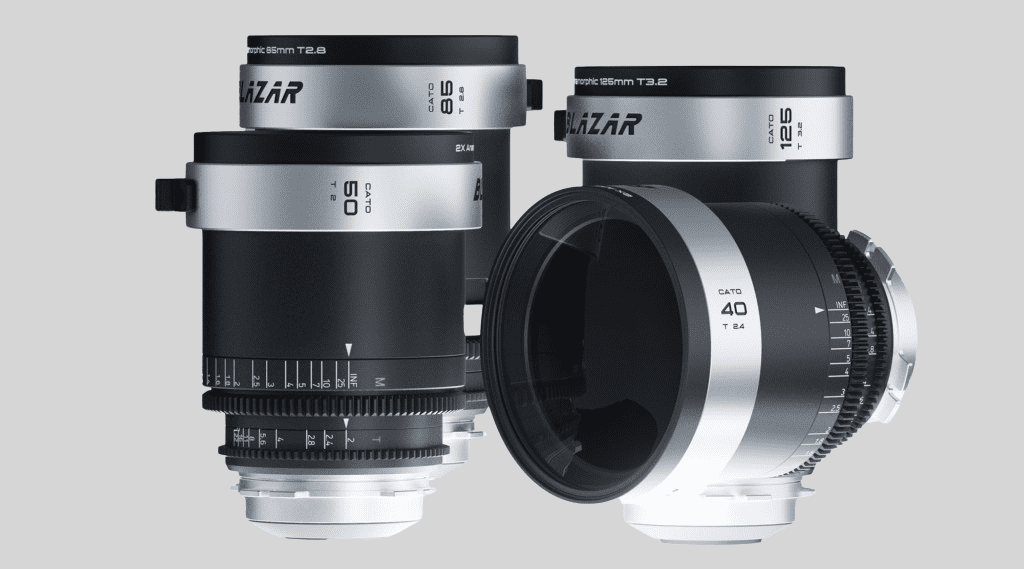
This Super 35mm to full-frame lens conversion chart provides a quick reference for comparing the equivalent field of view of popular focal lengths. A lens does not physically change focal length when used on a different sensor size; instead, the smaller Super 35mm sensor captures a narrower field of view. Using an approximate 1.5x crop factor makes it easy to compare how common cinema lenses will frame a scene compared with a full-frame camera.
| Lens Focal Length (Mounted on a Super 35mm Camera) | Equivalent Focal Length (Full-Frame) |
|---|---|
| 33mm | 49.5mm |
| 35mm | 52.5mm |
| 45mm | 67.5mm |
| 50mm | 75mm |
| 65mm | 97.5mm |
| 85mm | 127.5mm |
| 100mm | 150mm |
| 125mm | 187.5mm |
Understanding Super 35mm vs Full Frame for Video Production
Choosing between Super 35mm and full-frame is about more than simply converting focal lengths. Sensor size affects how a lens frames your subject, the working distance required to achieve a particular composition and, together with lens choice and aperture, the overall visual character of a shot.
Super 35mm has been one of the established formats in professional cinema and television production for decades. Many cinema cameras and cinema lenses have been designed around the format, making it particularly useful for narrative filmmaking, corporate video production, documentaries, interviews and commercial productions.
A simple way to understand the difference is to consider a 50mm lens. On a Super 35mm camera with an approximate 1.5x crop factor, the field of view is similar to that produced by a 75mm lens on a full-frame camera. The lens itself has not changed focal length; the smaller sensor is simply capturing a narrower portion of the image projected by the lens.
This distinction becomes particularly important when planning a professional video production. Lens and sensor combinations influence how much of a location can be captured, how far the camera needs to be positioned from an interview subject and which lenses are required to achieve the desired composition.
Lens Choice in Professional Video Production
At Visionair Media, lens selection is part of the creative and technical planning that goes into every production. Different projects can require very different approaches.
A corporate interview may benefit from a longer focal length that provides a natural perspective and greater separation between the subject and background. An architectural or infrastructure project may require wider lenses to establish scale and environment, while a brand film may use a combination of focal lengths and camera movement to create a more cinematic visual style.
This is why professional video production involves considerably more than choosing a camera and pressing record. Camera format, lenses, lighting, composition, movement, sound and post-production all contribute to the final result.
Visionair Media provides professional video production services for corporate organisations, government departments and agencies across Australia and New Zealand. Our production teams manage projects from initial planning and creative development through filming, cinematography, drone footage, editing, colour grading and final delivery.
[Learn more about Visionair Media’s professional video production services →]
About The Author
