
Stakeholder Communication Video Guide for Sydney Organisations
Start with audience, risk and action
Effective stakeholder video starts by identifying the audience, the decision being explained, the risk or sensitivity involved, and the action required. Only then should a Sydney organisation choose the format, whether a leadership update, animation, project film, investor communication video or internal communications video. This sequence keeps corporate video production Sydney focused on clarity and credibility, not decoration.
Corporate videos are useful because they combine voice, visuals, evidence and tone. For stakeholders who are time poor, dispersed or dealing with technical material, video can make a message easier to understand and share. The strongest productions are not simply polished; they are planned around what stakeholders need to know, believe, discuss or do next.
For organisations seeking production support, Visionair Media’s video production services in Sydney are the natural commercial next step. This guide, however, focuses first on strategy, planning and practical communication decisions.
Why stakeholder communication is difficult
Stakeholder communication is rarely a single-message exercise. A project update may need to satisfy executives, inform employees, reassure communities and withstand media scrutiny. A change announcement may involve HR, legal, operations, unions, suppliers and customers. Each audience brings different knowledge, concerns and expectations.
Complexity increases when the subject is technical, commercially sensitive or reputationally important. Organisations may need to explain financial performance, safety risks, regulatory obligations, infrastructure delays, service changes or new strategic priorities. Written documents are still essential, but they can be dense, easily skimmed and difficult to personalise.
Video helps by giving the message a visible spokesperson, a clear structure and supporting visuals. A senior leader can explain the reason for a decision. Graphics can simplify timelines, processes and numbers. Workplace filming can show context rather than relying on abstract claims. For communication teams, video also creates a consistent source of truth that can be distributed across presentations, intranets, email, investor briefings and social channels.
Match the video to the stakeholder group
Different stakeholders need different levels of detail, tone and proof. Treating one video as suitable for everyone is one of the fastest ways to weaken communication. A board may need concise risk framing, while employees need practical implications. Communities may need reassurance and access to further information, while investors may need performance context and strategic priorities.
Useful corporate video formats for stakeholder communication
A corporate communications video can take many forms. Leadership updates work well when people need to hear directly from a CEO, department head or project sponsor. Change communication videos are useful when a new system, structure or process needs to be explained with empathy and precision. Project progress videos can show milestones, site activity, community impacts and next steps.
Annual report and performance summaries can make results more accessible when supported by carefully designed graphics. Case studies and customer or partner testimonials add external proof, especially when buyers or funders want to see outcomes in context. Training and onboarding videos improve consistency when information must be delivered repeatedly across teams or locations.
Investor updates need disciplined scripting and factual verification. Government communication video may require plain language, accessibility planning and careful approval. Event broadcasts and livestreams are appropriate when reach and immediacy matter. FAQ videos can reduce repeated questions after an announcement. Crisis-response videos should be brief, accurate and coordinated with media, legal and leadership teams.
For communication-specific planning, Visionair Media also outlines services for video production for communications teams, including projects where clarity, trust and stakeholder alignment are central.
Choosing the right production approach
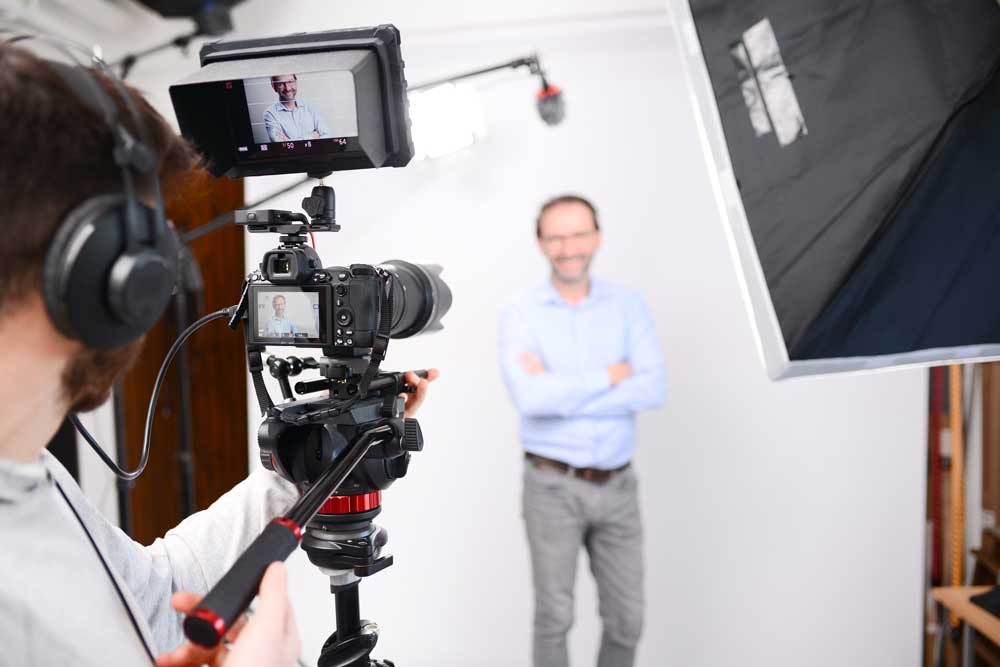
Not every stakeholder communication video needs the same production style. A polished studio production is appropriate for major announcements, investor presentations, public-facing campaigns or messages from senior leadership where authority and consistency matter. Studio conditions provide controlled lighting, sound, background and teleprompter support.
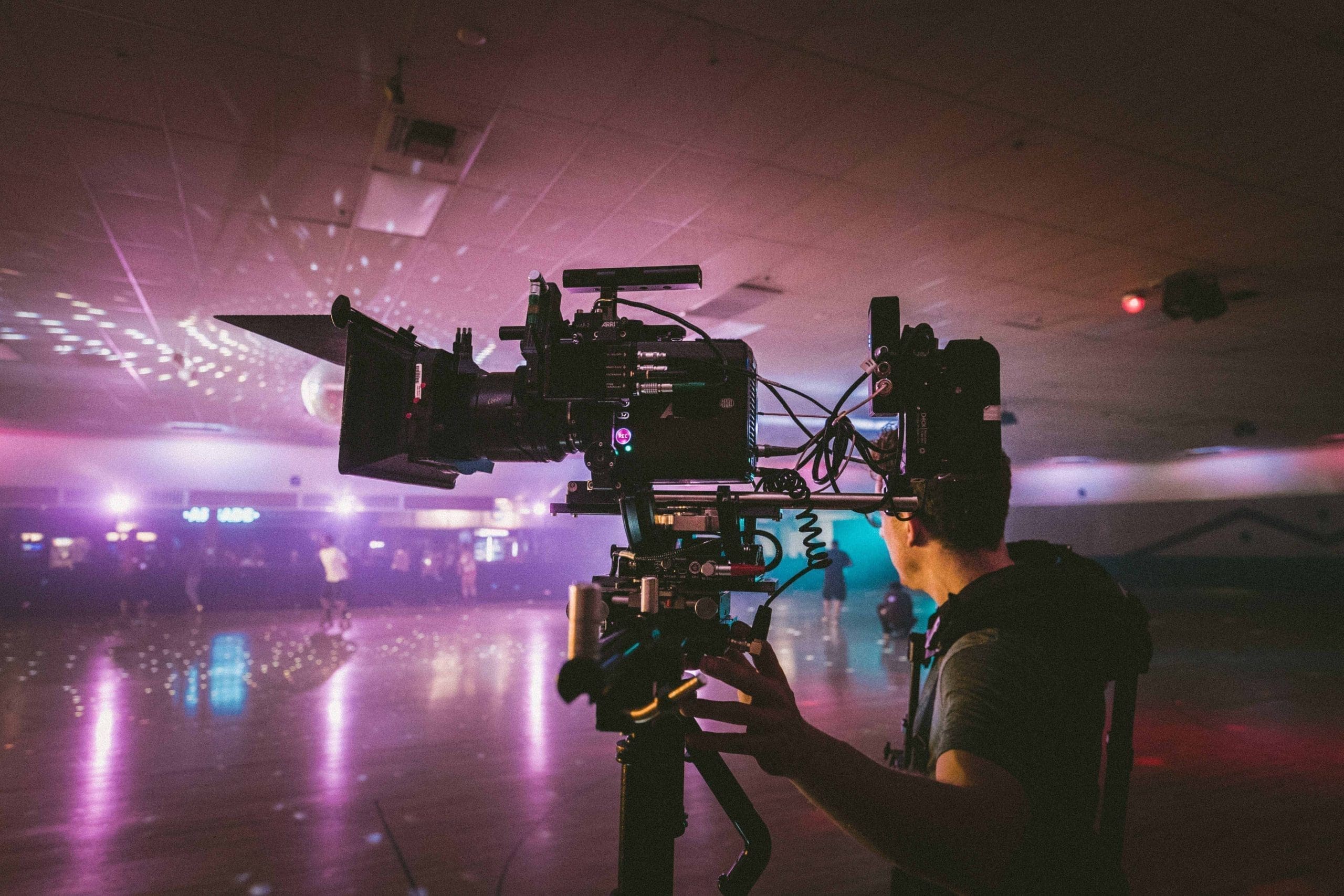
Workplace filming is better when authenticity and context are important. Showing operations, teams, facilities or project locations can make communication feel grounded. Animation and motion graphics are valuable for complex systems, data, timelines, organisational structures or processes that cannot be filmed easily. Graphics can also support accessibility by reinforcing key points visually.
Live streaming suits town halls, hybrid events, community briefings and announcements where people need to participate at the same time. A lean internal video may be suitable for routine updates, provided audio is clear, captions are available and the message is structured. The decision should reflect the importance of the message, audience expectations, risks, timeframe and useful life of the content.
If the project involves organisational change, a specialist approach to video production for change management communications can help connect strategy, employee concerns and practical next steps.
A practical stakeholder video planning framework
Use this checklist before production begins:
- Objective: define what the video must achieve and what decision, behaviour or understanding should follow.
- Audience: separate primary and secondary stakeholders rather than addressing everyone at once.
- Message: reduce the content to one main point and three supporting points.
- Evidence: gather data, examples, visuals, approvals and documents that support the claims.
- Spokesperson: choose someone credible for the audience, not simply the most senior person available.
- Format: select interview, scripted address, animation, case study, livestream or blended production.
- Approvals: agree review stages, compliance checks and final sign-off before editing begins.
- Accessibility: plan captions, transcripts, readable graphics, clear audio and translations where needed.
- Distribution: decide where the video will appear, who sends it and what supporting material is required.
- Measurement: determine how effectiveness will be assessed after release.
For a fuller view of briefing, filming, editing and delivery stages, see Visionair Media’s guide to the corporate video production process.
Preparing senior executives and nervous spokespeople
Many effective stakeholder videos depend on a spokesperson who sounds clear, credible and human. Senior executives are often comfortable in meetings but less natural on camera. Nervous subject matter experts may know the content deeply but struggle to simplify it.
Preparation should include a short message brief, concise talking points and examples of questions the audience may ask. A teleprompter can help for formal statements, but it should be written in spoken language. Interview coaching can help spokespeople slow down, avoid jargon and answer in complete, editable thoughts. The aim is not performance; it is trust.
Managing approvals without slowing everything down
Approval complexity is one reason organisations hesitate to use video. It can be managed with discipline. Appoint one content owner who is responsible for the brief, review process and final recommendations. Collect consolidated feedback rather than forwarding conflicting comments from multiple reviewers. Separate factual changes from preference-based wording changes.
Legal, compliance, investor relations, HR or government affairs review may be necessary, depending on the subject. Build those reviews into the schedule early. Maintain version control so everyone knows which script, edit and caption file is current. Confirm final sign-off in writing before publication, especially for public or sensitive communications.
Budget and scope also affect approvals. Understanding video production pricing considerations before commissioning can help teams align ambition, deadlines and review requirements.
Accessibility, repurposing and measurement
Stakeholder communication should be accessible by design. Captions support viewers watching without sound and people who are deaf or hard of hearing. Transcripts assist review, search and record keeping. Graphics should be readable on laptop and mobile screens. Audio must be clear, because poor sound undermines confidence faster than imperfect visuals. For diverse audiences, translated versions or subtitles may be required.
A single production can often become several useful assets. A hero video might be supported by shorter updates, vertical social clips, presentation embeds, intranet excerpts, still images, quote cards and transcript-based articles. Planning repurposing before filming helps capture the right framing, alternate takes and supporting visuals.
Measurement should connect to the communication objective. Useful indicators include completion rate, employee engagement, understanding, enquiries, event participation, media use, reduced repetitive questions and direct stakeholder feedback. The goal is not just views. It is whether the audience understood the message and knew what to do next.
For employee-focused programs, Visionair Media provides more detail on internal communications video production for enterprise companies. For proof-led storytelling, case study videos can help show outcomes through real situations rather than broad claims.
Common mistakes to avoid
- Starting production before the audience, objective and risk are clear.
- Trying to include too many messages in one video.
- Allowing executive jargon to replace plain language.
- Seeking stakeholder input too late, after the script is effectively locked.
- Accepting weak audio because the visuals look good.
- Creating endless revision rounds without one content owner.
- Publishing without captions, transcripts or readable graphics.
- Assuming upload is distribution, instead of planning the channel, sender and follow-up.
- Using one video unchanged for employees, investors, customers, regulators and communities.
Frequently asked questions
How much does corporate video production cost in Sydney?
Cost depends on scope, filming days, crew, locations, scripting, animation, editing, approvals and deliverables. A short internal message will differ from a multi-location stakeholder campaign. Ask for a quote based on audience, purpose and distribution needs.
What is the ideal length for a stakeholder communication video?
The ideal length depends on the decision and audience. Promotional videos are often brief, while training, project explainers or investor updates may need more detail. Keep each video as concise as the message allows.
Can corporate videos be used on social media?
Yes, provided the content is adapted to the platform. Social versions may need captions, square or vertical framing, shorter edits and a clear opening line for viewers watching without sound.
When should we use animation instead of filming?
Use animation when the topic is abstract, data-heavy, technical, confidential or difficult to film. Use live filming when people, places, leadership presence or operational context will build trust.
Do we need a professional Sydney video production company?
For routine internal updates, a lean in-house approach can work. For sensitive, public, executive, investor or government communication, professional planning and production usually reduce risk and improve clarity.
How do we keep approvals efficient?
Define one content owner, agree reviewers early, consolidate feedback, verify facts before editing, control versions and confirm final sign-off before release.
Summary
Corporate video production is most effective when it serves a clear communication purpose. Sydney organisations can use video to explain decisions, changes, progress, performance, risks and priorities, but the work must begin with audience needs, message discipline and approval planning. The right stakeholder communication video makes complex information easier to absorb and gives leaders a more credible way to speak to the people who matter.
Plan a stakeholder communication video
Visionair Media helps organisations plan and produce corporate and stakeholder communication videos in Sydney and across Australia.
About The Author
