
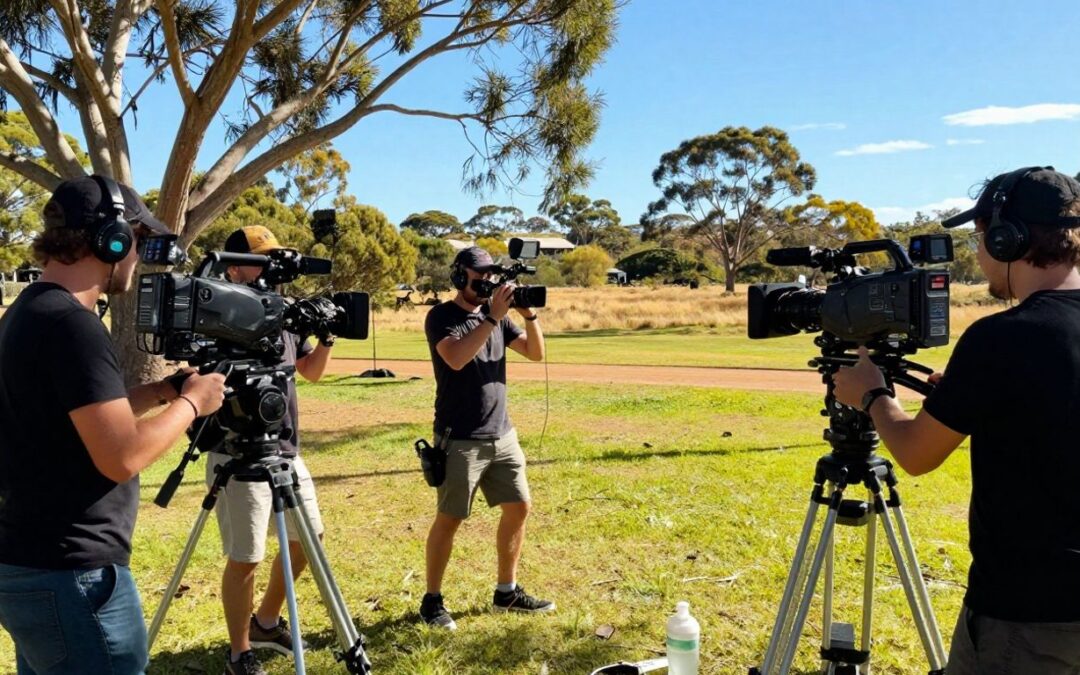
To wrap things up, here are the main things we think you should remember from our guide to production video film. These are the bits that will really help you move forward.
Key Takeaways
- Get the basics right: Good camera work and clear audio are non-negotiable for professional production video film.
- Storytelling is king: Even with the best gear, a weak story won’t capture your audience.
- Master your tools: Understand your equipment and editing software to bring your vision to life efficiently.
- Know your audience and platform: Tailor your production video film for where it will be seen and who will watch it.
- Think like a business: Plan your projects, manage your time, and understand how to make your video work for you.
Foundational Elements Of Production Video Film
Getting started with production video film means we need to nail down some basics. It’s not just about pointing a camera and hitting record; there’s a bit more to it if we want our work to look professional and connect with people. We’ll cover how to handle the camera, what gear actually makes a difference, and why good sound is non-negotiable.
Mastering Camera Operation For Video
When we shoot video, it’s a different ballgame than taking photos. We’re dealing with continuous movement, keeping things in focus while the action happens, and managing exposure on the fly. It’s about learning to control the camera smoothly, whether we’re moving it or keeping it steady. We need to think about frame rates – like 25 frames per second for a standard look, or higher if we want to do slow-motion. Choosing the right resolution, like 4K, gives us more flexibility later on. Getting comfortable with manual settings is key to consistent results. We also need to practice smooth pans and tilts, and how to hold the camera steady without fancy gear. Focus pulling during a shot and monitoring audio are skills we’ll develop.
Essential Video-Specific Equipment
Beyond a decent camera, there are a few other bits of kit that really help. Good audio equipment is a must. We’re talking microphones – maybe a lavalier mic for clear dialogue, or a shotgun mic to pick up sound from a distance. Tripods and gimbals are great for stable shots, making our footage look much more polished. Lighting can also make a huge difference, even simple LED panels can transform a scene. We don’t need to break the bank straight away; there are plenty of budget-friendly options that do a solid job. Renting gear is also a smart way to try out professional equipment before buying.
Achieving Audio Production Excellence
Honestly, bad audio can ruin even the best-looking video. People will tolerate slightly shaky footage more than they will struggle to hear or understand what’s being said. So, we need to pay attention to sound from the start. This means choosing the right microphone for the job and setting it up correctly. We also need to listen carefully during recording to catch any background noise or issues. Post-production is where we can really clean things up, balancing levels and removing unwanted sounds. It’s worth spending time learning about audio editing, as it makes a massive difference to the final product. For anyone looking to improve their video marketing, clear audio is a big part of telling an emotive story.
We need to remember that video is a combination of sight and sound. While visuals grab attention, it’s often the audio that carries the message and emotion. Investing time and resources into good sound recording and mixing is not an optional extra; it’s a core component of professional video production.
Here’s a quick look at some common audio gear:
- Lavalier Microphones: Small mics that clip onto clothing, great for interviews.
- Shotgun Microphones: Directional mics that pick up sound from the front, good for isolating dialogue.
- Wireless Systems: Allow mics to be used without a cable, offering more freedom of movement.
- Audio Recorders: Dedicated devices for capturing high-quality sound, separate from the camera.
Getting these foundational elements right sets us up for success in all our video projects, whether we’re making corporate videos or something more artistic, perhaps inspired by the Australian New Wave cinema.
Crafting Compelling Narratives Through Production Video Film
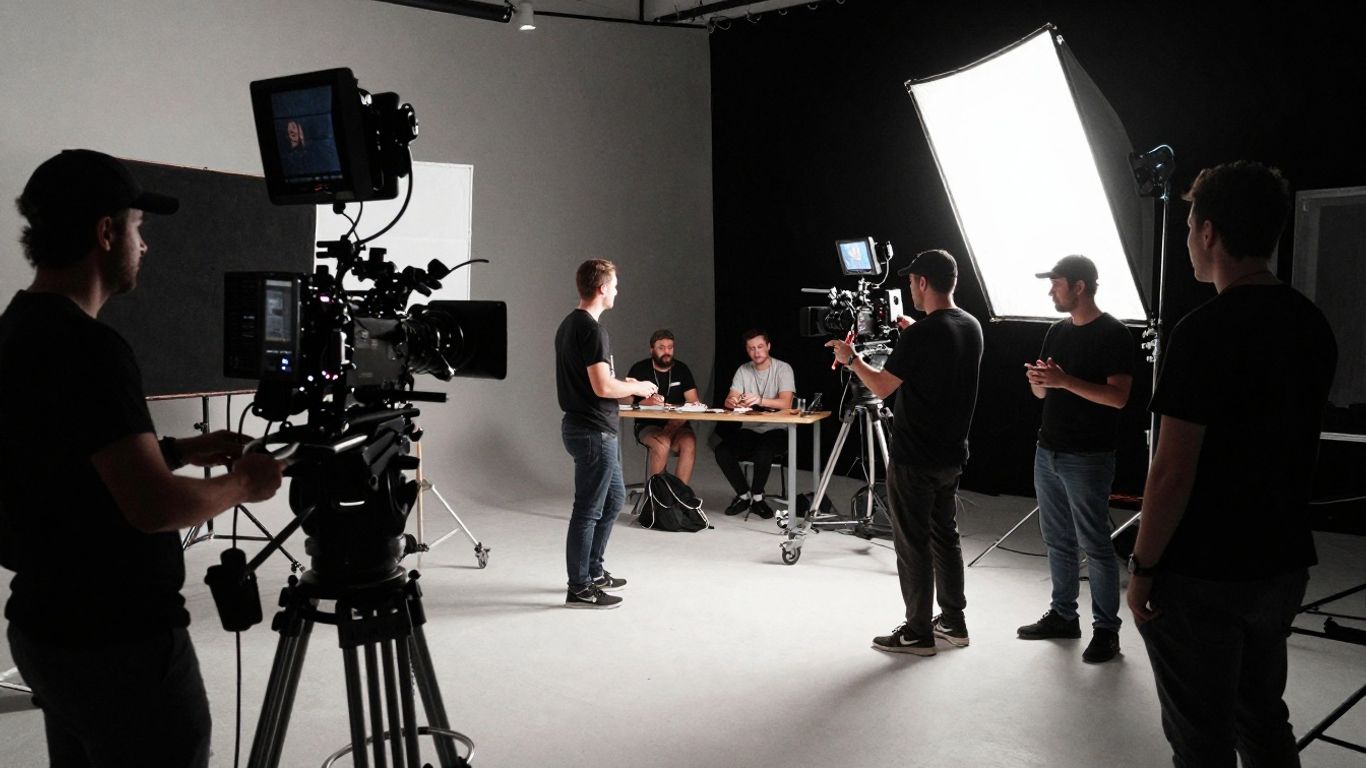
We reckon that making a good video isn’t just about pointing a camera and hitting record. It’s about telling a story that connects with people. Whether we’re working on a corporate profile or a social media clip, the goal is always to create something that grabs attention and sticks around. It’s about understanding what makes a story tick and how to show that visually.
Editing And Post-Production Techniques
Post-production is where the magic really happens, turning raw footage into a polished story. We spend a lot of time in the edit suite, piecing together shots, refining the pacing, and making sure the message comes across clearly. It’s not just about cutting clips together; it’s about shaping the narrative.
Here’s a look at some key editing steps we often take:
- Rough Cut: Getting the basic story structure down, making sure all the main points are there.
- Fine Cut: Refining the pacing, trimming unnecessary bits, and making sure the flow feels natural.
- Colour Grading: Adjusting the colours to create a specific mood or look, and ensuring consistency across all shots.
- Sound Design: Adding music, sound effects, and making sure dialogue is clear and balanced.
The way we edit can completely change how an audience feels about a video. It’s a powerful tool for guiding their experience and making sure the intended message lands effectively.
Genre-Specific Applications In Production Video Film
Different types of videos need different approaches to storytelling. For instance, a corporate video aiming to explain a complex service needs a clear, informative narrative. On the other hand, a recruitment video might focus more on the people and culture of a company, using a more personal and engaging style. We’ve found that understanding the specific goals of each genre helps us tailor the story effectively. For example, corporate filmmakers often focus on brand stories.
Here are a few examples:
- Corporate Videos: Focus on clarity, professionalism, and conveying key messages about a business or service. We often use interviews and B-roll footage to build a picture.
- Documentaries: Require in-depth research and a narrative that unfolds over time, often focusing on real people and events.
- Marketing Content: Needs to be engaging and persuasive, often with a clear call to action. We look at what makes successful video marketing campaigns tick.
Content Creation For Digital Platforms
Creating content for platforms like YouTube, Instagram, or LinkedIn means thinking about how people consume video online. Shorter attention spans mean we need to get to the point quickly and keep viewers hooked. We often adapt our storytelling for these platforms, using dynamic editing and clear visuals.
We consider:
- Platform Requirements: Understanding aspect ratios, video lengths, and audience expectations for each platform.
- Engagement Hooks: Starting videos with something interesting to capture attention immediately.
- Call to Actions: Guiding viewers on what to do next, whether it’s visiting a website or subscribing.
It’s all about making sure the story works, no matter where it’s being watched.
Strategic Approaches To Production Video Film
When we’re making videos, it’s not just about pointing a camera and hitting record. We need a solid plan, right? That’s where strategic approaches come in. It’s about thinking ahead, managing the whole process, and making sure the final product actually does what we want it to do.
Video Marketing Strategies
We see video marketing everywhere now, and for good reason. It’s a fantastic way to get your message out there. But just chucking a video online isn’t enough. We need to think about who we’re trying to reach and where they hang out online. Are we aiming for YouTube, LinkedIn, or maybe TikTok? Each platform has its own vibe and what works on one might fall flat on another.
Here’s a quick rundown of what we consider:
- Audience Identification: Who are we talking to? What do they care about?
- Platform Selection: Where will this video get the most eyeballs?
- Content Goals: What do we want people to do after watching? (e.g., visit a website, sign up, buy something)
- Call to Action: Making it clear what the next step is.
Getting your video seen by the right people is key to a successful campaign. We often look at how other successful brands are using video to connect with their audience. It’s about creating content that feels authentic and provides some kind of value, whether that’s entertainment, information, or a solution to a problem. For us, understanding how to tailor content for different channels is a big part of making video marketing work.
Project Management For Video Production
Making a video, especially a bigger one, is like juggling a few too many balls at once. You’ve got the planning bit before you even shoot, then the actual filming, and then all the editing and tweaking afterwards. Without good project management, things can get messy, fast. We use structured methods to keep everything on track.
Think of it like this:
- Pre-production: This is where we nail down the concept, write the script, plan the shots, and sort out all the logistics like locations and talent.
- Production: The actual filming days. We stick to the schedule and make sure we’re capturing everything we need.
- Post-production: Editing, sound mixing, colour grading, and getting the final file ready for delivery.
We find that clear communication with clients and the team throughout these stages is super important. It helps avoid surprises and makes sure everyone’s on the same page.
Keeping a project on schedule and within budget often comes down to meticulous planning and clear communication. It’s about anticipating potential roadblocks and having a plan B ready.
Business Development And Entrepreneurship
For us, making videos isn’t just a creative gig; it’s a business. That means we’re always thinking about how to grow, how to find new clients, and how to offer services that people actually need. It’s about building relationships and proving our worth. We look at what’s working in the industry and how we can adapt and improve our own services. This might involve learning new skills, investing in better gear, or refining how we present ourselves to potential clients. We also keep an eye on the broader business landscape, like changes in regulations that might affect production, such as the new streaming content quotas being implemented in Australia. It’s a constant learning curve, but that’s part of what makes it interesting.
Leveraging Technology In Production Video Film
Keeping up with tech in video production can feel like a full-time job on its own, right? We’ve found that embracing new tools and smarter ways of working is key to staying competitive and producing top-notch content. It’s not just about having the latest gear; it’s about how we integrate it into our workflow to make things run smoother and faster.
Technology Integration and Workflow Optimization
We’re always looking at how we can make our production process more efficient. This means looking at things like cloud-based editing systems that let us collaborate with people anywhere, or using project management software to keep everything organised. The goal is to spend less time wrestling with tech and more time on the creative stuff.
Here are a few areas we focus on:
- Automating repetitive tasks: Think about using templates for common video elements or setting up automated file transfers. It saves a heap of time.
- Streamlining communication: Using platforms that allow for easy feedback and approvals from clients means fewer email chains and misunderstandings.
- Optimising file management: Having a clear system for organising, backing up, and retrieving footage is non-negotiable. It prevents those panicked searches for lost files.
We’ve learned that a well-oiled workflow isn’t just about speed; it’s about consistency and reducing errors. When the technical side is sorted, the creative vision can really shine through without getting bogged down.
We also keep an eye on how different platforms handle video. For instance, understanding the technical requirements for YouTube versus Instagram Reels can make a big difference in how your content performs. It’s about making sure your video looks its best wherever it’s being watched. You can find some great resources on platform optimisation to help with this.
Future Trends and Emerging Technologies
It’s exciting to see what’s coming next in video production. Things like AI are starting to pop up in interesting ways, from helping with editing tasks to generating initial concepts. We’re also seeing more interest in virtual production techniques, which can create some pretty amazing visuals without needing massive physical sets. The screen industry is always changing, and staying curious about these developments is part of the fun. It’s about seeing how we can use these new tools to tell stories in even more compelling ways, especially with the rise of things like AI in film.
We’re particularly interested in:
- AI-powered editing assistance: Tools that can help with tasks like rough cuts or colour correction.
- Virtual and augmented reality: Exploring how these immersive technologies can be used for storytelling or client presentations.
- Advanced motion capture: For creating realistic digital characters or environments.
It’s a constant learning curve, but that’s what keeps things interesting. We want to make sure we’re always equipped to offer the best possible solutions for our clients, no matter how the technology landscape shifts.
Expertise In Australian Production Video Film
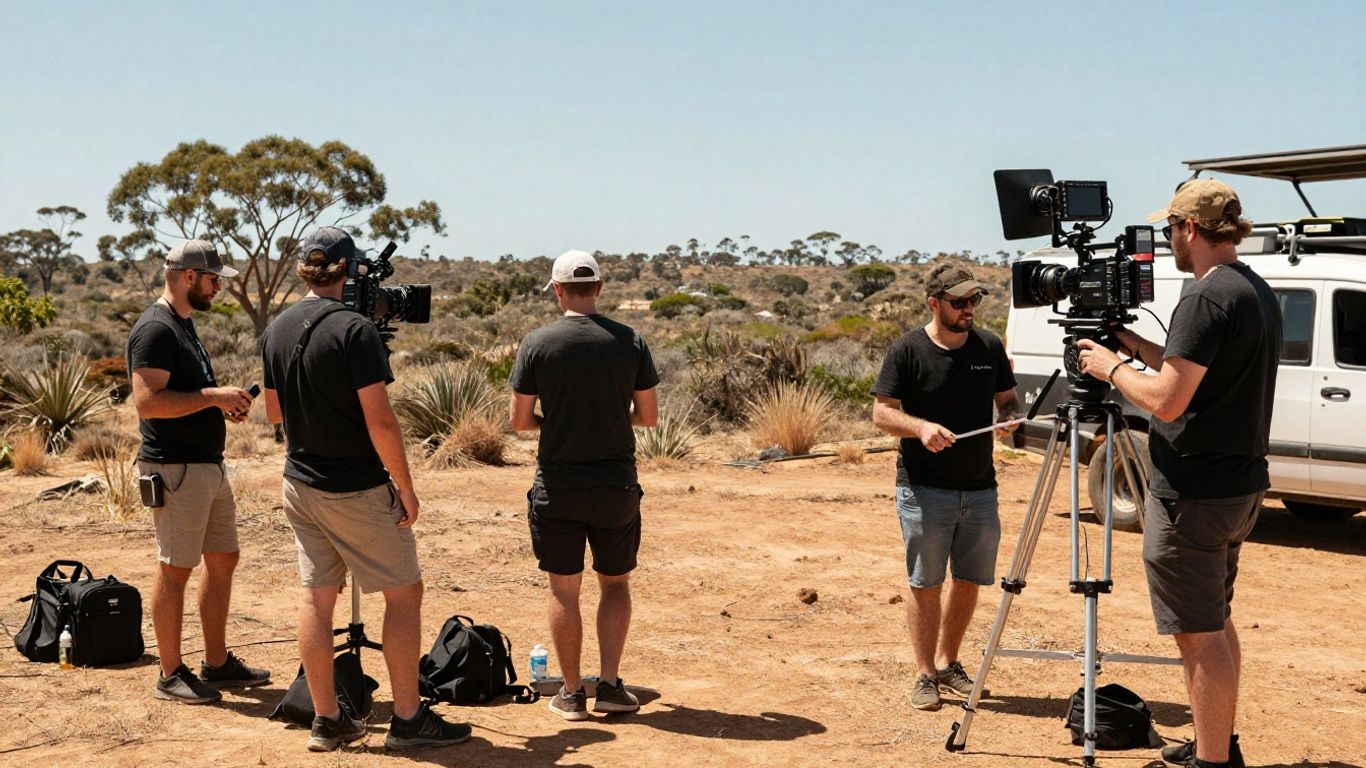
When we talk about making videos here in Australia, it’s not just about pointing a camera and hitting record. We’ve spent years getting to know what works for businesses and government bodies across the country. It’s about understanding the local landscape, the specific needs of Australian organisations, and how to communicate effectively within that context.
Visionair Media’s Extensive Experience
We’ve been in this game for a long time, since 1992 actually, working across photography and video. This means we’ve seen a lot of changes and learned a heap about what makes a production successful. It’s not just about the creative side; it’s about the practicalities too. We’ve worked with everyone from big government departments to smaller businesses, helping them tell their stories. Our deep well of experience means we can anticipate challenges and find smart solutions before they become problems. We’ve produced content for all sorts of sectors, from health and education to construction and agriculture, so we’re pretty adaptable.
Understanding Corporate And Government Expectations
Working with corporate and government clients is a bit different. The message needs to be clear, professional, and hit the mark with the intended audience. We get that these videos aren’t just for show; they need to achieve specific communication goals. Whether it’s for internal comms, public campaigns, or stakeholder engagement, we focus on making sure the content is credible and accessible. We know that for these organisations, quality and professionalism are non-negotiable. We’ve worked with numerous government bodies, including NSW Health and VIC Government, so we’re familiar with the standards and protocols involved. This understanding helps us create content that aligns perfectly with their objectives.
National Reach And Diverse Project Experience
We’re not just a Sydney-based operation. We work with clients all over Australia, from bustling cities to regional areas. We’ve handled projects in Melbourne, Brisbane, Canberra, and beyond. This national reach means we can support organisations that need consistent, high-quality content across multiple locations. Our project history is incredibly varied, covering everything from major infrastructure updates and school promotional videos to sensitive health communications and agricultural case studies. This diversity means we’re well-equipped to handle almost any video production challenge you can throw at us. We’ve even worked on projects that require careful handling of sensitive information.
| Project Type | Examples |
|---|---|
| Corporate Communications | Internal comms, recruitment, training, brand positioning |
| Government Projects | Public campaigns, stakeholder engagement, health, education, electoral |
| Infrastructure & Construction | Project progress, site activity, safety, stakeholder updates |
| Education | School promos, student stories, campaign material |
| Health | Communications, training, events, public-facing content |
Technical Capabilities In Production Video Film
When we’re talking about making videos that look and sound professional, the gear we use really matters. It’s not just about having the latest gadgets, though; it’s about knowing how to use them to tell a story effectively. We’ve invested in a solid range of equipment that lets us tackle all sorts of projects, from small corporate shoots to larger events.
Professional Cinema and Photography Equipment
For our video work, we rely on high-end cinema cameras and professional photography gear. This means we can capture footage with incredible detail and dynamic range, which is super important for getting that polished look. We’ve found that using top-notch cameras, paired with quality lenses, makes a huge difference in the final output. It allows us to control depth of field and achieve specific visual styles that really make a project stand out. We often use Canon cinema cameras and their L-series lenses, which have proven reliable and versatile for various shooting scenarios. This gear is suitable for everything from corporate campaigns to broadcast-style internal communications.
Advanced Drone and Aerial Production
Drones have become an absolute game-changer in video production. We’re licensed and experienced in using them to get those sweeping aerial shots that add so much scale and context to a video. Whether it’s showcasing a construction project’s progress, highlighting the vastness of a property, or capturing an event from above, drone footage really elevates the production value. It’s not just about pretty pictures, though; it’s about providing a unique perspective that helps audiences grasp the full scope of what we’re filming. We’ve used this capability extensively for clients in infrastructure, agriculture, and government sectors.
Live Streaming and Multi-Camera Workflows
These days, live streaming is a big part of what many organisations need. We’ve got the setup to handle multi-camera live streams for conferences, corporate events, and presentations. This involves coordinating multiple cameras, audio feeds, and graphics to create a smooth, professional broadcast experience. It’s a complex process that requires careful planning and execution, but it allows us to connect with audiences in real-time, no matter where they are. Beyond just the live event, we can also create highlight reels, speaker captures, and social media cutdowns from the footage, turning a single event into a whole library of useful content.
The right technical setup isn’t just about having the gear; it’s about how we integrate it into our workflow to achieve the client’s specific communication goals. We focus on using technology to serve the story, not the other way around.
Here’s a quick look at some of the types of projects our technical capabilities support:
- Corporate profile videos
- Internal communications
- Training and safety videos
- Event highlight films
- Government project documentation
We also find that combining our video skills with professional photography services, like those offered by Visionair Media, allows us to provide a more complete visual communication package for our clients.
Conclusion
So, there you have it. Making great production video film is a journey, not a destination. We’ve covered the basics, from getting your camera set up right and making sure the sound is clear, to telling stories that stick with people and using the latest tech. For us creators here in Australia, the landscape is always changing, but with a solid plan and a willingness to learn, we can all make videos that stand out. It’s about combining our creative ideas with smart planning and the right tools. Keep practicing, keep experimenting, and most importantly, keep creating!
Frequently Asked Questions
What’s the most important thing for good production video film?
Honestly, it’s a mix of things. You need decent gear, especially for sound, but a clear story and good editing are just as vital. Think of it like building a house – you need a strong foundation (gear and sound) and a solid plan (story and editing).
Do I need super expensive cameras to start?
Not at all! Many modern smartphones can shoot pretty good video. The key is learning how to use what you have well. Focus on good lighting and stable shots first. You can always upgrade your gear later as you learn and earn.
How long should my videos be?
It really depends on where you’re posting it and what it’s about. Short, punchy videos work well for social media like TikTok or Instagram. Longer videos might be better for YouTube or for training purposes. Always think about what keeps your viewer interested.
What’s the difference between a videographer and a filmmaker?
Often, the terms are used interchangeably, but ‘filmmaker’ might suggest a more artistic or story-driven approach, like for movies. ‘Videographer’ often covers a broader range, including corporate videos, events, and weddings. Both need similar technical skills, though.
Is it hard to learn video editing?
It can seem a bit tricky at first, with all the buttons and options in editing software. But there are heaps of easy-to-follow tutorials online. Start with the basics, like cutting clips together and adding music, and you’ll get the hang of it pretty quickly.
How can I make my production video film look more professional?
Pay attention to the details! Make sure your audio is crystal clear – bad sound is a quick way to lose viewers. Also, think about your lighting; natural light is often best. And finally, edit your footage cleanly. Avoid too many flashy effects unless they really serve the story.
About The Author
