
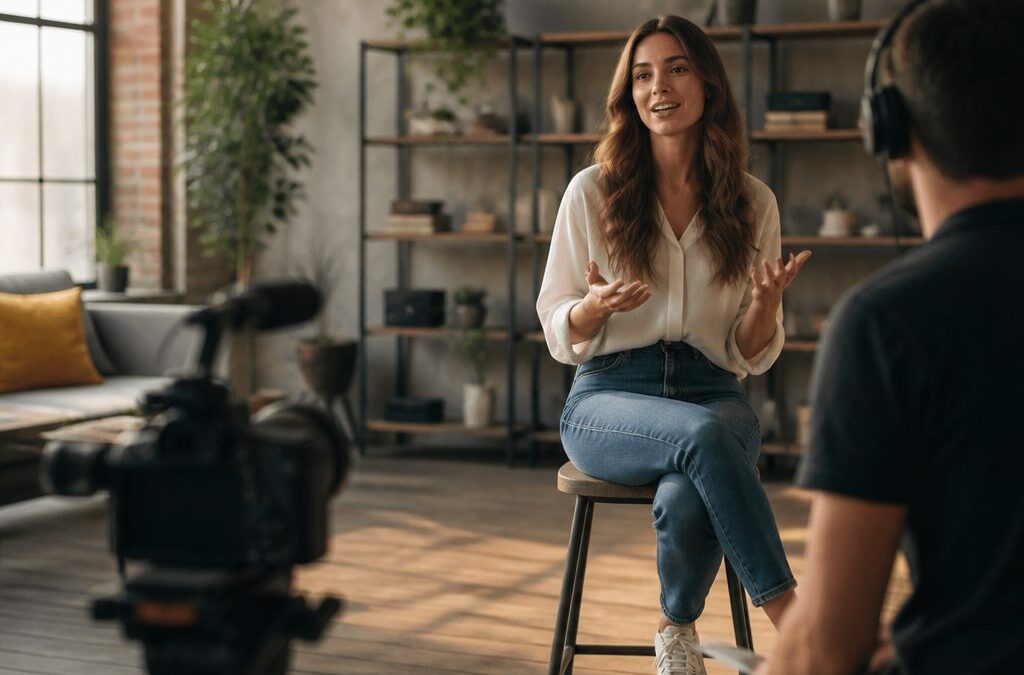
Social media video production services plan, film, edit and deliver videos designed for specific platforms, audiences and campaign goals. A professional service does more than create attractive footage: it adapts the message, framing, duration, captions and calls to action for each channel. The right approach begins with one clear objective, then develops a flexible set of assets for organic posts, paid advertising, recruitment or corporate communications. This gives organisations consistent quality without treating every platform as though viewers behave identically.
Visionair Media provides Australian corporate video production and related services from Sydney, with offices in Melbourne, Brisbane, Canberra and Auckland. Its experience across government, infrastructure, health, education, agriculture and professional services informs practical production decisions while keeping content appropriate for brand and stakeholder requirements.
01 What a social media video service includes
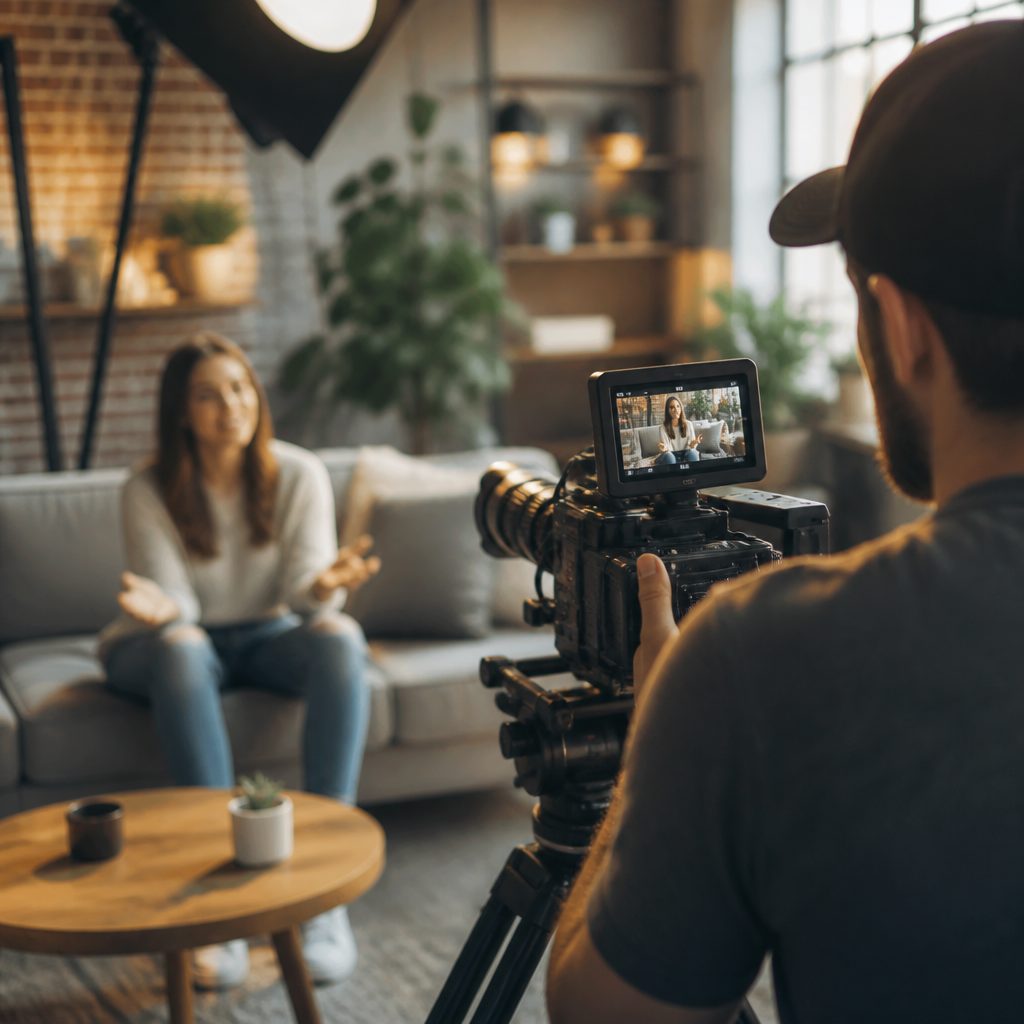
A complete service usually covers discovery, creative development, pre-production, filming, post-production and delivery. During discovery, the producer clarifies the audience, message, distribution plan, approval process and measures of success. Pre-production then turns that brief into scripts, interview questions, storyboards, schedules, locations, talent arrangements and risk planning. Careful preparation is especially important when executives, operational sites or public environments are involved.
Strategy and creative
Defines the central idea, audience journey and content hierarchy. It also decides whether interviews, demonstrations, animation or a presenter will communicate the message most clearly.
Production planning
Coordinates crew, locations, permissions, contributors and a realistic shot list. Planning protects filming time and identifies issues before they become expensive production delays.
Filming and direction
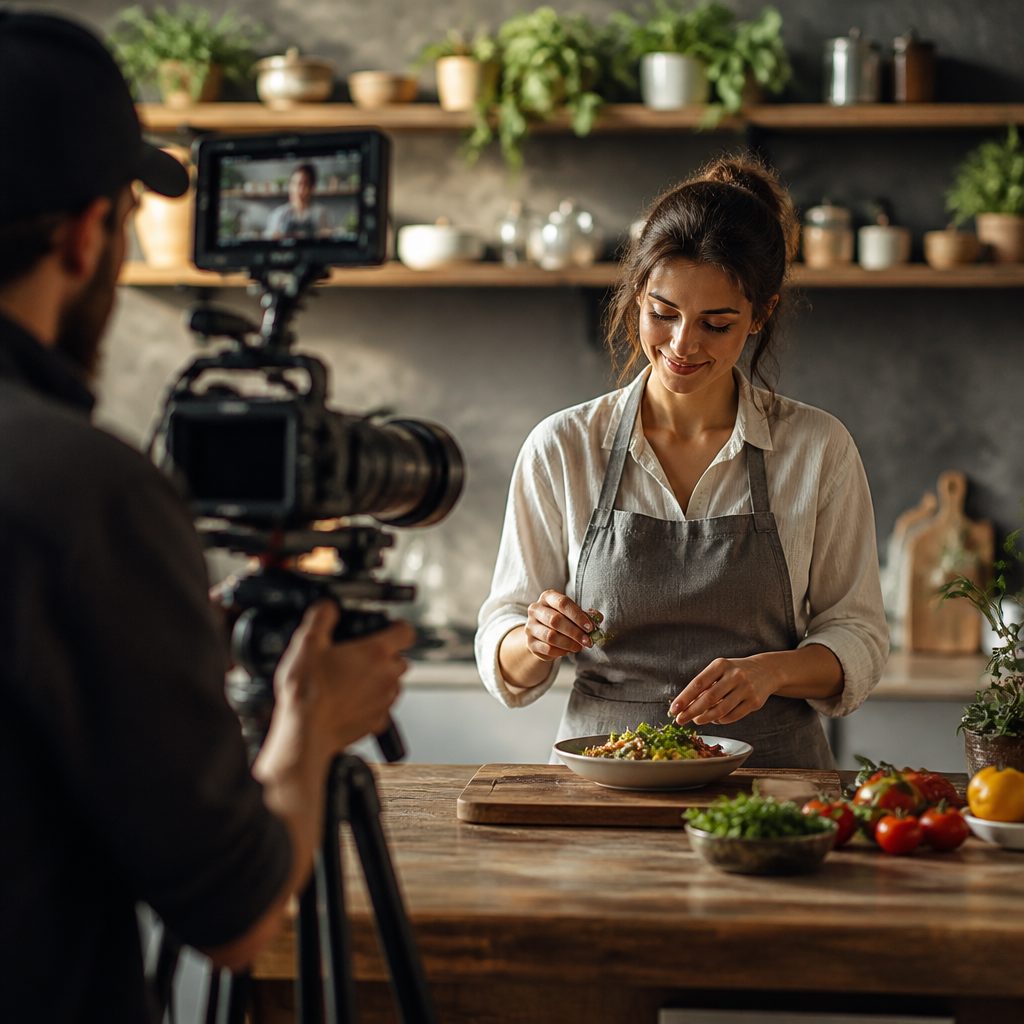
Professional lighting, sound and camera work create source material that remains usable across multiple edits. Direction helps contributors speak naturally while staying on message.
Editing and delivery
Editors shape pacing, graphics, music, colour and sound, then prepare approved versions to platform specifications. Captions, thumbnails and clean masters may also be included.
02 Designing for each platform and placement
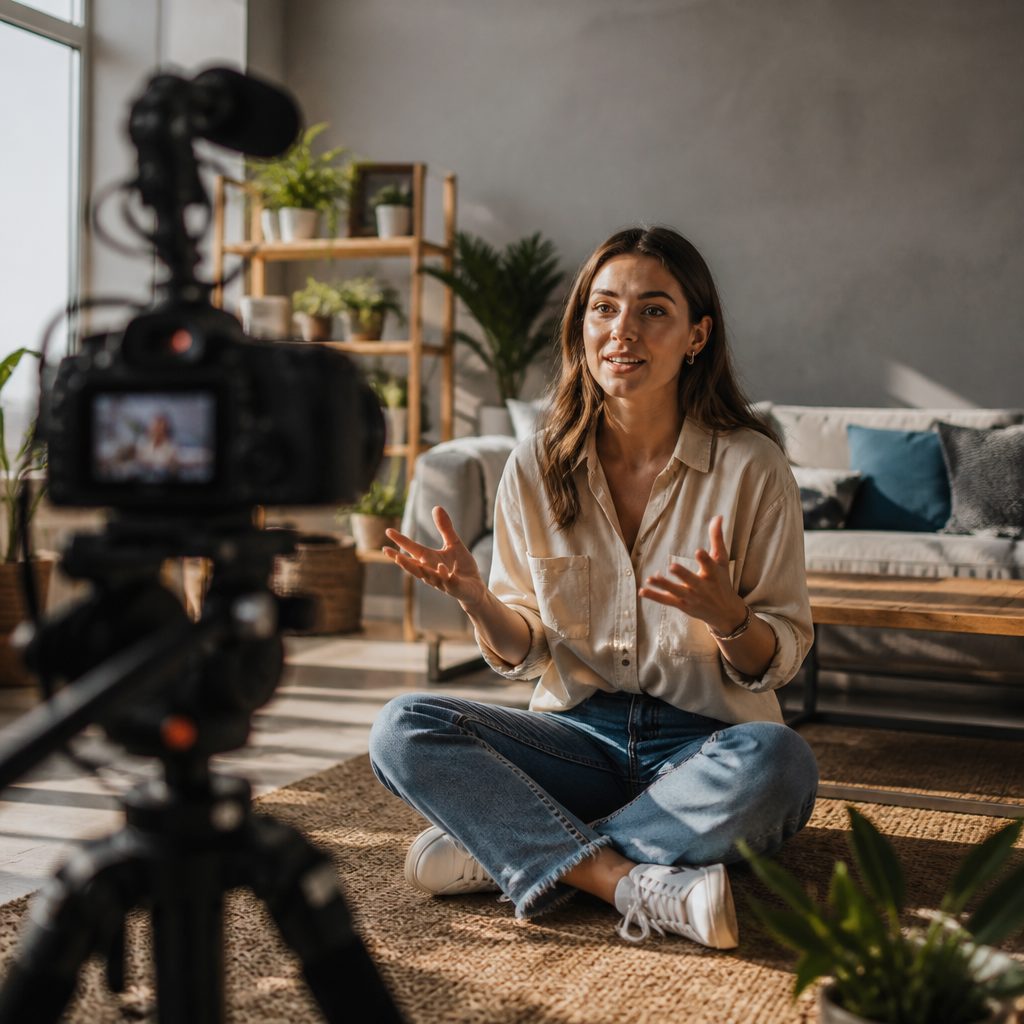
A single master video rarely performs every job well. LinkedIn may suit a concise expert insight, project update or employer-brand story, while Instagram and TikTok generally reward an immediate visual opening and mobile-first framing. YouTube can support longer explanations, but its short-form placements need different pacing. Paid advertisements also require deliberate hooks, offers and testing variations rather than a simple cut-down of a corporate film.
03 Building an efficient content package
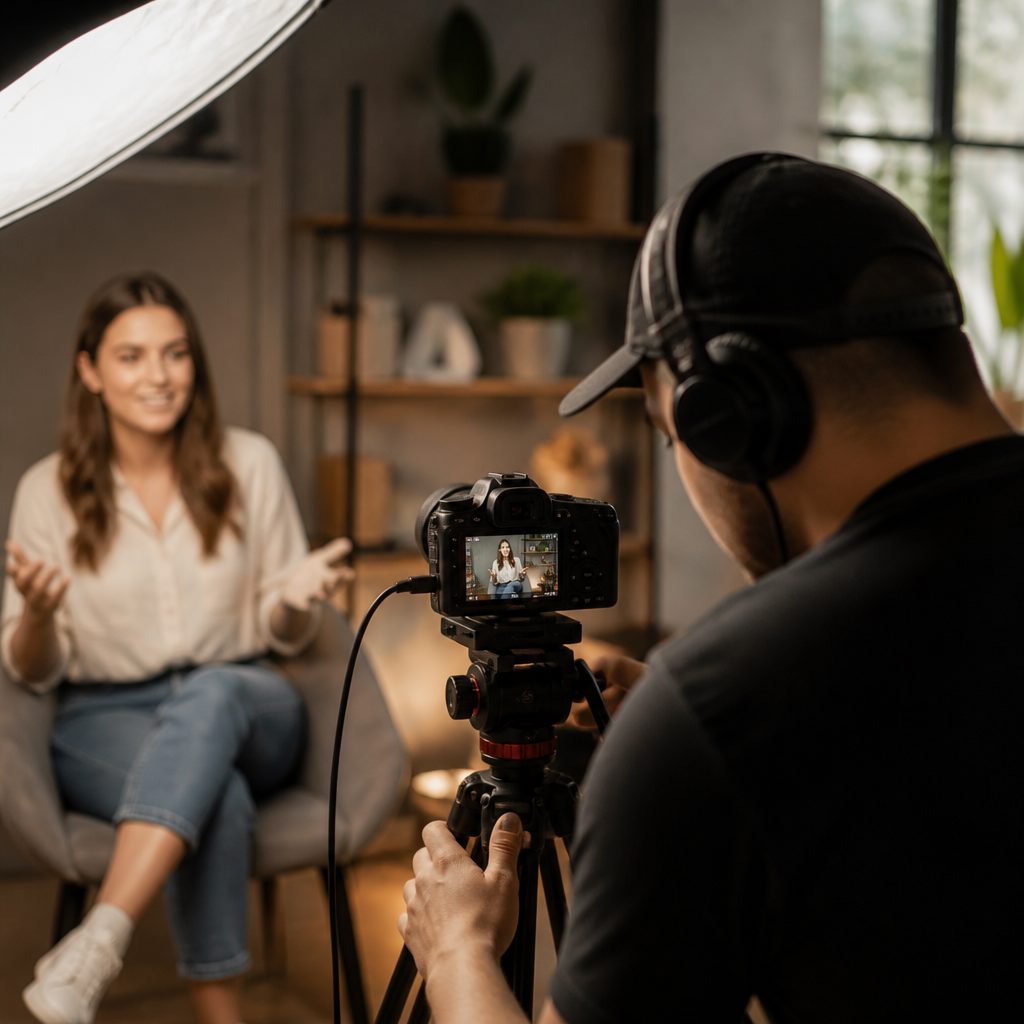
The most efficient productions plan a family of outputs before the camera rolls. One interview day, for example, might produce a primary story, several short answers, silent visual sequences and still frames, provided these deliverables are agreed in advance. This is not unlimited repurposing: weak audio, unsuitable composition or missing permissions can restrict what an editor can responsibly create.
Plan the deliverables
List every required aspect ratio, duration, caption format, thumbnail and clean version. Ask whether footage must remain useful for future campaigns, because broader usage may affect scripting, releases, music licensing and archive decisions.
Protect accessibility and clarity
Many viewers encounter social video without sound, so burned-in captions can carry the message. Captions still require checking for names, terminology and timing. On-screen text should be concise, legible and supported by strong contrast; it should not duplicate every spoken word unnecessarily.
Organisations needing a broader production partner can review Visionair Media’s video production services and examples in its projects and portfolio. For location-specific support, the video production team in Sydney can coordinate filming for Sydney-based stakeholders and sites.
04 Costs, timing and realistic limitations
Social video pricing depends on preparation, crew size, filming days, locations, travel, equipment, animation, music, talent, approvals and the number of final versions. A short finished video is not automatically inexpensive; a fifteen-second advertisement may require extensive concept development, art direction and multiple edits. Visionair Media’s guide to video production pricing explains the main cost variables without pretending every brief fits a standard package.
Timing should include stakeholder review, legal or brand approval, caption checks and platform uploads, not only filming and editing. Fast turnarounds can be possible, but they may reduce concept options, limit contributor availability or attract additional production costs. A clear approval owner and consolidated feedback prevent avoidable revision cycles.
Video is not always the right format. A static graphic may communicate a simple deadline more efficiently, while live streaming services are better suited to real-time events and broad remote attendance. Likewise, drone footage should only be planned where it adds context and can be captured safely, lawfully and with site approval.
05 How to compare production providers
Compare proposals against the same brief and ask what is included, excluded and assumed. The cheapest quote may omit scripting, captions, travel, talent, music licensing or revision rounds, while a larger crew may be unnecessary for a straightforward interview.
- Relevant experience: Look for work with comparable audiences, operational conditions and approval complexity, not merely an attractive showreel.
- Process and communication: Confirm who manages the project, how feedback is collected and how scope changes are costed.
- Production quality: Assess speech clarity, lighting, editing judgement, caption accuracy and whether branding supports rather than overwhelms the story.
- Rights and governance: Ask about releases, music licences, storage, confidentiality, safety planning and ownership of final assets and source footage.
- Deliverables and support: Verify formats, aspect ratios, caption files, thumbnails, revision limits, archive periods and assistance with future adaptations.
Review complete examples rather than isolated highlight shots. Case study video production can reveal how a provider structures complex information, while an advertising and video production guide can help buyers sharpen objectives before requesting proposals.
06 Frequently asked questions
What video length works best?
There is no universal optimum. Length should match the viewer’s intent, placement and message. A six-second awareness edit, a thirty-second explanation and a two-minute leadership update solve different problems. Remove anything that does not support the objective, but do not rush material that needs context, evidence or careful qualification.
Should every video have captions?
In most social contexts, captions are a sensible default because viewers may watch silently and accessible communication benefits a wider audience. Accuracy matters: automated transcripts can misinterpret names, acronyms and technical language. Confirm whether the platform needs burned-in text, a separate caption file, or both.
Can one shoot supply months of content?
Sometimes, especially for evergreen interviews, demonstrations or brand stories. However, platforms, offers, staff and organisational priorities change. Building a useful library requires clear metadata, contributor permissions and varied coverage. It is better to plan a realistic publishing sequence than promise endless content from limited footage.
What should a useful brief contain?
A useful brief states the audience, single priority message, desired action, channels, deadline, budget range, approval team and mandatory brand or legal requirements. Include examples for direction, but explain what works about them instead of asking a producer to copy another organisation’s campaign.
07 From brief to publish-ready content
Effective social media video production connects strategy, disciplined filming and platform-specific editing. Start with one measurable communication goal, define the required versions before production, and compare providers on process, rights, relevant experience and transparent scope. Visionair Media can help organisations plan corporate social content alongside photography, drone or broader campaign requirements. For a practical discussion of deliverables, timing and budget, request a tailored production quote from the team today.
About The Author
