
01 Direct answer: why construction companies use drones
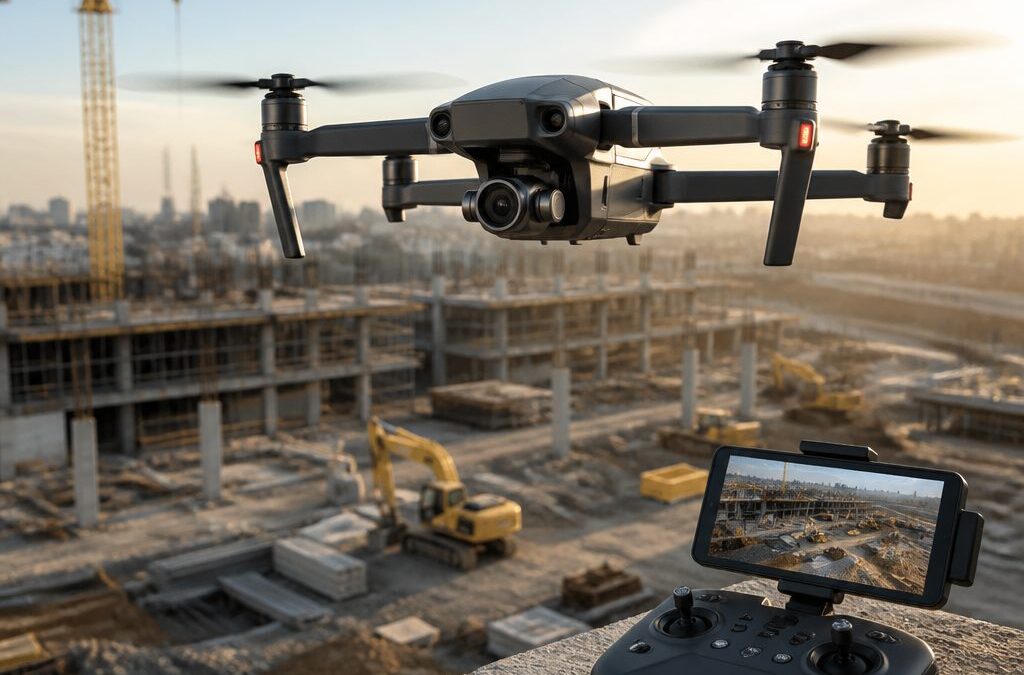
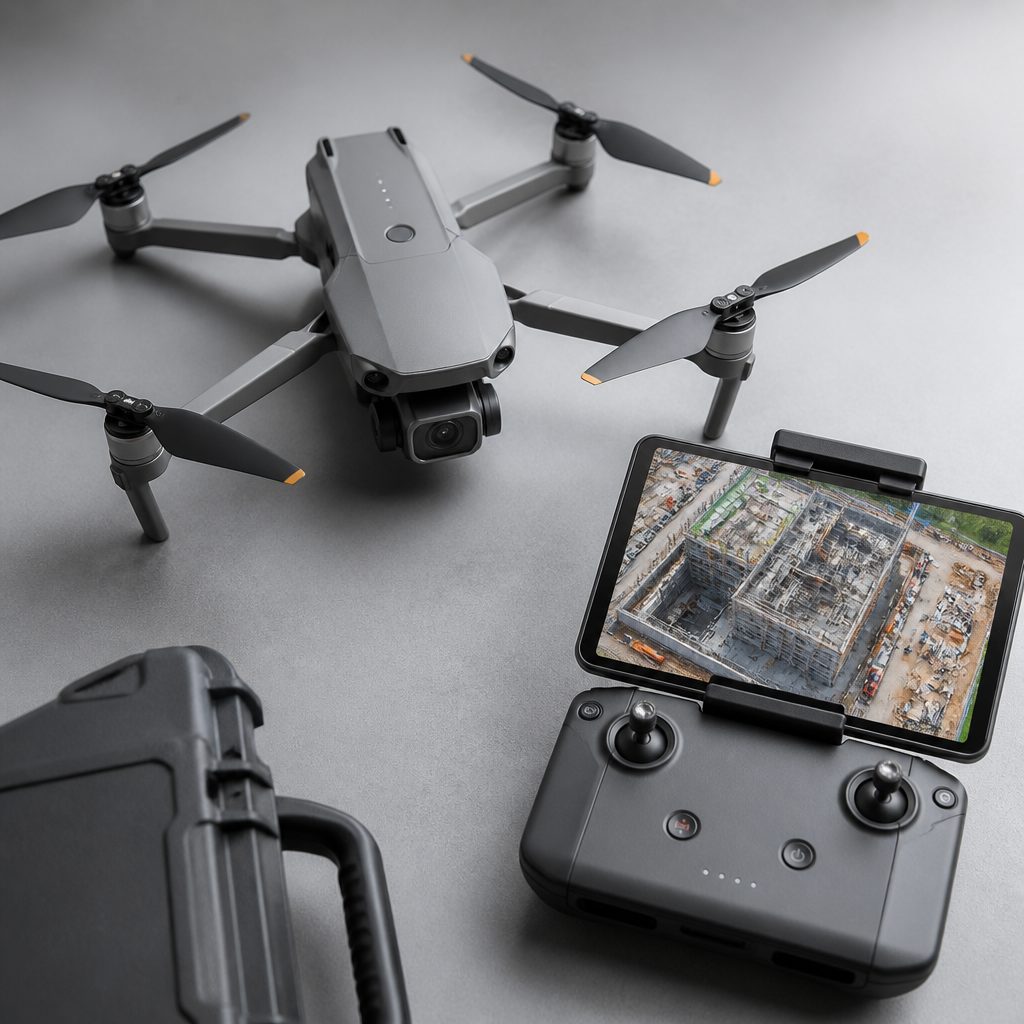
Drone photography and video give construction companies a fast, clear view of site progress, context, access and completed work. From one planned flight, teams can create high-resolution photographs, cinematic footage and repeatable viewpoints for project reporting, stakeholder updates, marketing and tender submissions. The strongest results come from treating aerial capture as a managed construction activity: define the purpose, obtain permissions, coordinate with the site team, assess airspace and hazards, then specify consistent deliverables.
A drone does not replace ground-based photography, surveying or formal inspection unless the operator is specifically qualified and the required methodology is followed. It complements those services by showing relationships that are difficult to communicate from ground level, including boundaries, staging areas, crane locations and surrounding access routes.
02 The business benefits of construction drone imagery
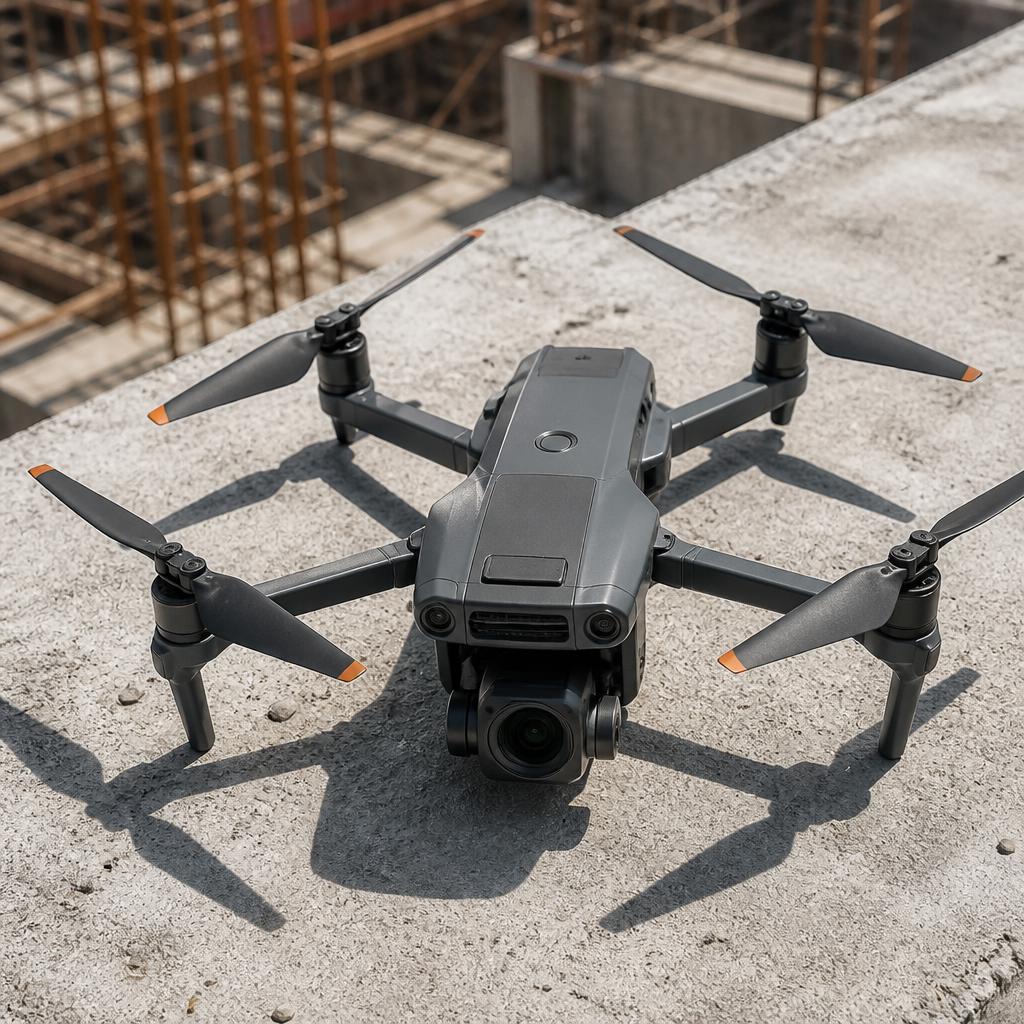
Useful aerial content should solve communication problems, not merely look impressive. For builders, developers and consultants, the principal benefits are practical:
Higher visibility
An elevated perspective reveals site layout, work fronts, logistics and interfaces in a single frame. It helps remote decision-makers understand conditions without interpreting dozens of disconnected ground images.
Consistent progress records
Scheduled capture from matched positions creates a visual sequence across the programme. Teams can compare stages, explain progress and preserve a useful communications record.
Stronger marketing assets
Edited aerial video can demonstrate scale, capability and workmanship in company profiles, project films and social updates. The footage can often be repurposed across several approved formats.
Safer visual access
Drones can capture views of roofs, façades or constrained areas without positioning a camera operator there. However, this does not remove the need for exclusion zones, risk controls or specialist inspection advice.
03 High-value use cases across a project lifecycle
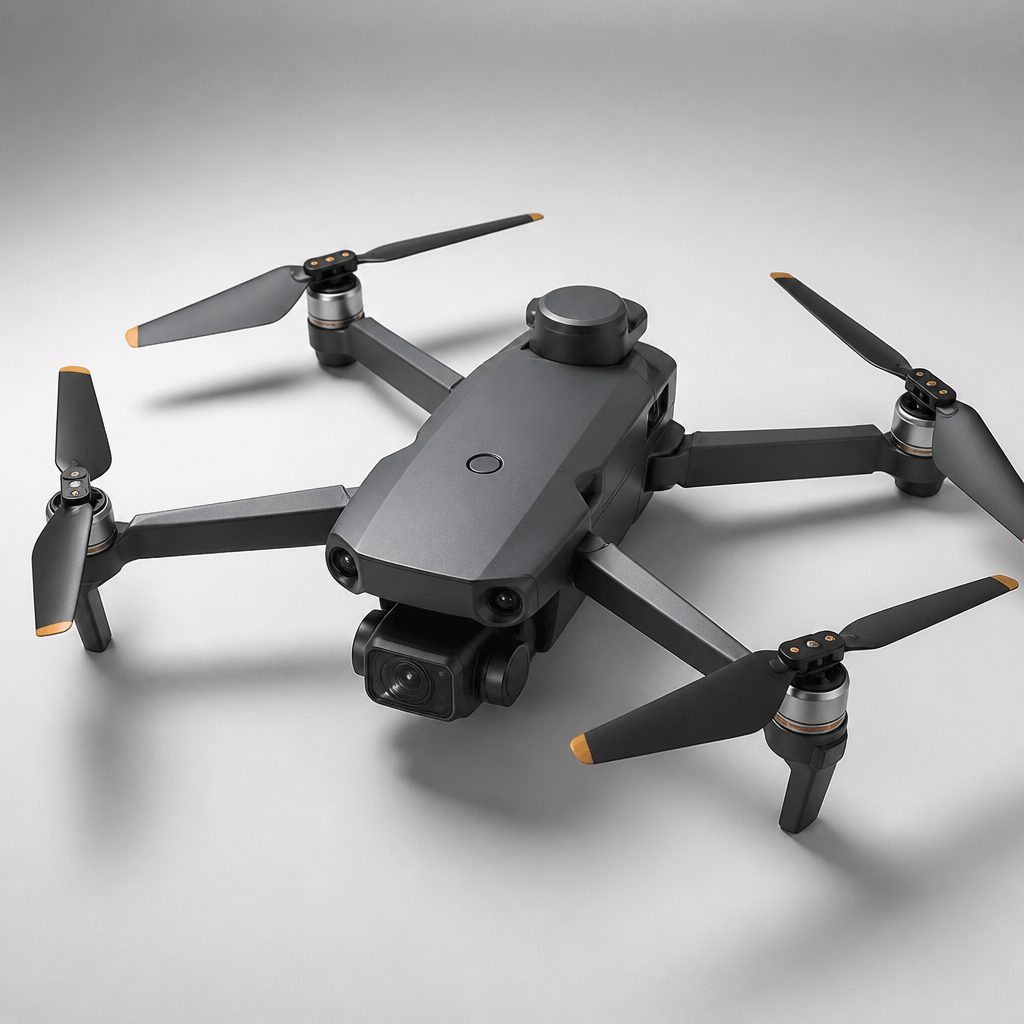
A capture plan should change with the project phase. Early flights may document existing conditions and neighbourhood context. During delivery, fixed viewpoints can follow earthworks, structure, envelope and external works. Near completion, polished photography and smooth video can support handover communications, leasing or awards entries.
For example, a contractor delivering a warehouse might schedule monthly stills from four locked viewpoints, one short overview video and additional milestone flights after structural completion and practical completion. That package is easier to compare than ad hoc flights and gives communications teams predictable material.
04 Plan the flight before the drone arrives
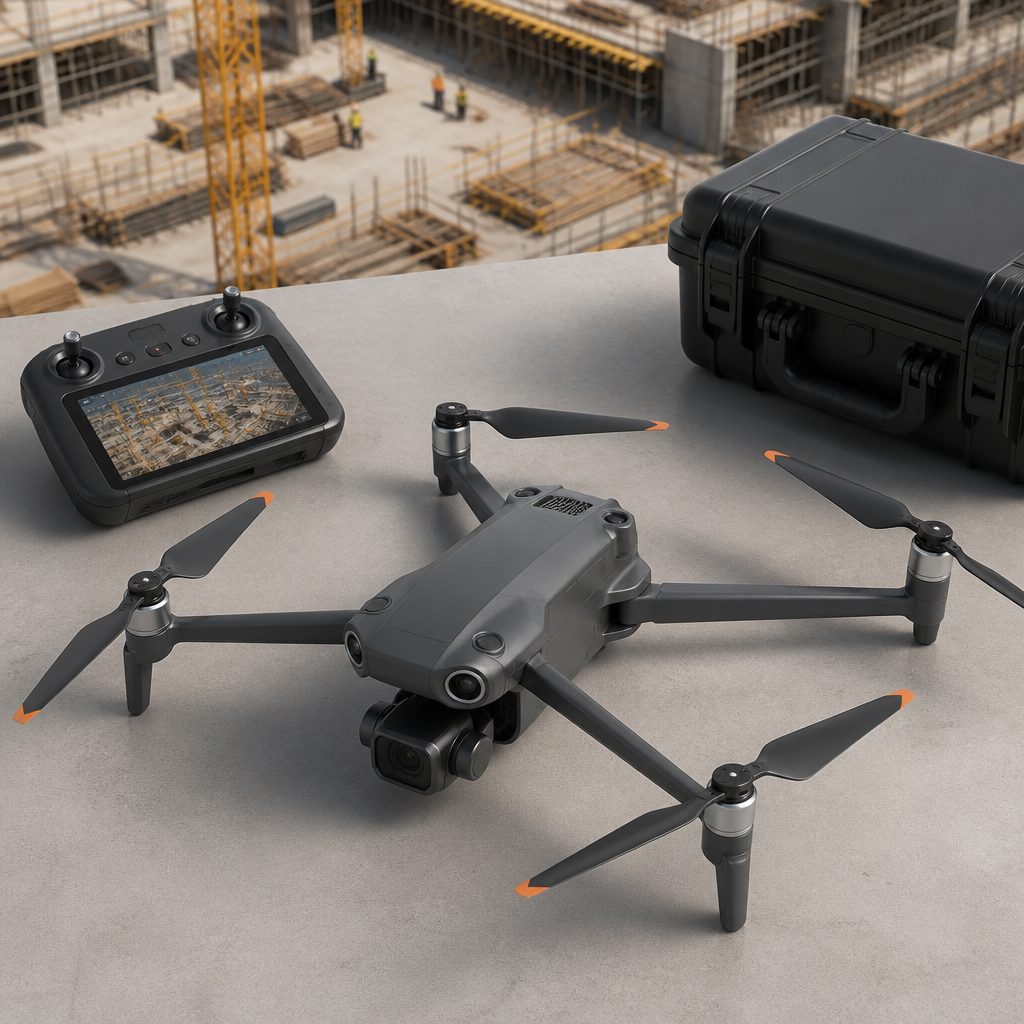
Start with the intended audience and decision. A project director may need factual progress views; a marketing team may need golden-hour footage and clean site presentation. Converting that need into a written brief prevents missed angles and unnecessary flying.
Build a practical brief
- Purpose and channels: identify whether assets support reporting, records, social media, a project film or a tender.
- Shot list: define overview, boundary, approach, vertical, oblique, orbit and detail views, plus priorities.
- Timing: nominate milestones, preferred light, site presentation requirements and a weather fallback.
- Outputs: confirm photograph resolution, video orientation, duration, editing, captions, music licensing and file naming.
- Consistency: record take-off areas, camera direction, altitude where permitted, and reference frames for later visits.
Coordinate the site
Nominate one site contact who can confirm induction, access, current hazards, lifting activity, temporary restrictions and safe operating areas. Inform relevant workers before launch and keep the pilot outside construction operations unless the agreed controls allow otherwise. A last-minute concrete pour or crane lift may justify delaying capture, even when the weather is ideal.
05 Manage safety, airspace, privacy and expectations
Construction sites combine moving plant, cranes, workers, visitors and changing obstructions. The operator should complete an aviation and site-specific risk assessment, verify the operating environment and establish controls with site management. In Australia, flight requirements depend on the aircraft, operation, location and airspace. Confirm current requirements for the proposed job rather than assuming a previous approval applies.
Privacy also requires deliberate planning. Avoid unnecessary capture of neighbouring homes, private yards, workers’ faces or vehicle details. Agree who may use the footage, how long files are retained and whether subcontractor or client consent processes apply. Sensitive projects may require restricted storage, controlled review links or removal of location metadata.
Know what aerial media cannot prove
A photograph can show visible conditions at a moment in time, but it does not automatically establish dimensions, compliance, defect status or survey-grade accuracy. If the objective is measurement, mapping, thermal analysis or engineering inspection, commission the appropriate qualified service and define accuracy, calibration, reporting and evidence requirements.
06 Choose deliverables that remain useful
Raw files are not always the most valuable outcome. A practical package may include colour-corrected photographs, a concise progress edit, vertical social clips, labelled comparison frames and an organised archive. Ask for both presentation-ready assets and clean master files when future editing is likely.
Review quality before sign-off
Check horizon levels, motion stability, exposure consistency, sharpness, colour and whether every priority shot was supplied. For repeat visits, compare framing against earlier images. Also verify that people, signage and commercially sensitive activities are suitable for publication.
Establish a folder structure by date, project phase and asset type. Keep approval versions separate from masters, document usage rights and back up the final library. This simple discipline prevents teams from circulating outdated edits or losing the original high-resolution material.
07 Questions to ask before booking
How often should a construction site be filmed?
Match frequency to meaningful programme changes and reporting needs. Monthly capture suits many long projects, while short or fast-moving works may need milestone-based visits. Avoid a rigid schedule when little visible change is expected.
What happens in poor weather?
Wind, rain, glare, haze and low cloud can affect safety and image quality. Include fallback dates and allow the operator to make the final safety decision. Overcast conditions can still work well for factual progress photography.
Can drones fly anywhere around a project?
No. Airspace, controlled sites, local conditions, temporary restrictions and nearby people can limit a flight. Feasibility should be checked against the exact address, date, scope and intended aircraft before promising particular shots.
Should we request photographs or video?
Choose photographs for detailed reference, comparisons and reports. Choose video for movement, scale and narrative. Many projects benefit from both, because a coordinated flight can capture complementary assets while the site is prepared.
08 Turn each flight into a reliable project asset
Effective construction drone photography combines a clear communications objective with disciplined operational planning. Define the audience, capture schedule, repeatable viewpoints, safety controls, approvals and delivery formats before mobilisation. Then review every flight against the brief, protect sensitive material and store approved assets consistently. This approach produces imagery that is easier to compare, safer to obtain and more useful across reporting, stakeholder engagement, tenders and marketing.
Prepare the project address, preferred dates, site contact, intended uses, shot priorities and required outputs before approaching a provider. A capable team can then assess feasibility, identify missing decisions and propose a capture plan that fits both site operations and communications goals. Request a tailored scope rather than comparing price alone.
About The Author
