
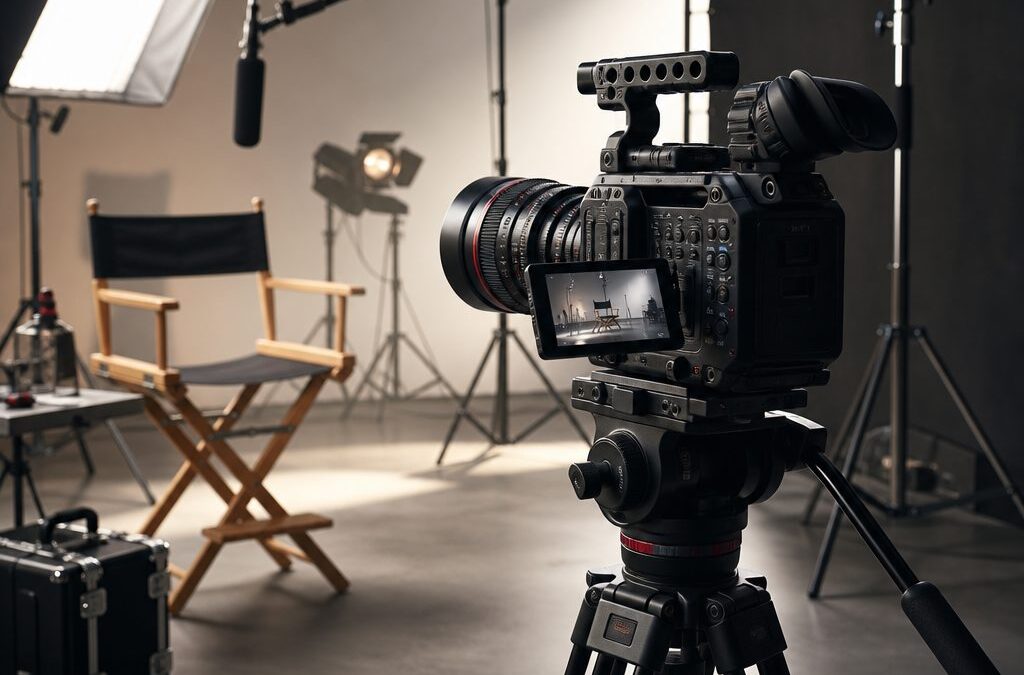
Documentary Production Hiring: What to Look For
The best documentary production hire is not simply the crew with the best camera package. It is the team that understands your purpose, can earn trust with contributors, manage risk in real locations, and shape complex material into a clear, truthful story. Before hiring, define the audience, editorial intent, access, budget and approval process; then compare producers on relevant documentary experience, planning discipline, interview skill and post-production capability.
Documentary production hiring is different from booking a standard corporate shoot because the outcome is often discovered through research, interviews and observation. A strong partner will still bring structure: a treatment, schedule, contributor plan, release process, safety considerations and an edit pathway. For organisations, agencies, government departments or not-for-profits, that structure protects both the story and the stakeholders involved.
When documentary production is the right format
A documentary approach suits stories where authenticity matters: community impact, infrastructure change, research programs, organisational history, public awareness, education, agriculture, health services or complex stakeholder initiatives. It is especially useful when you need real people, real environments and evidence-led storytelling rather than scripted claims.
It is not always the right choice. If every sentence must be controlled by legal or brand teams, a scripted explainer may be safer. If access to people or locations is uncertain, the production may need a staged interview format instead. Good hiring decisions start by being honest about these limitations.
“The strongest documentary production partner is the one that can protect the truth of the story while still meeting the brief.”
What to prepare before you approach producers
Before asking for costs, prepare a short brief. It does not need to be a finished script, but it should explain why the documentary is being made and what success looks like. Include the intended audience, key themes, likely contributors, locations, required length, delivery channels, preferred timing and any approval or procurement requirements.
If your project involves employees, patients, students, landholders, customers or members of the public, identify consent and privacy considerations early. For copyright and release issues, organisations often seek legal guidance; resources from Arts Law Centre of Australia can help you understand common creative rights questions before formal advice is obtained.
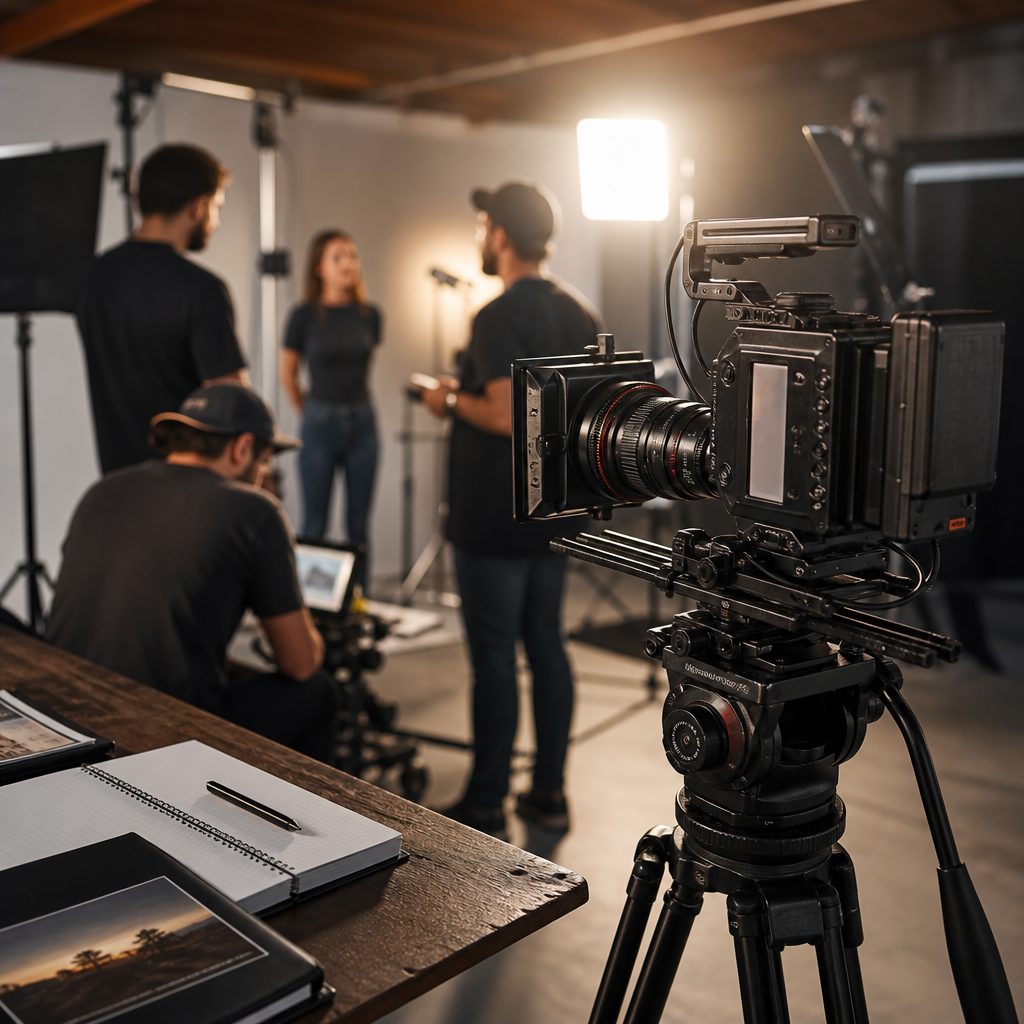
Key roles you may be hiring
Documentary production can be lean or extensive. A small crew might include a producer-director, camera operator and sound recordist. Larger projects may add a researcher, production manager, drone operator, second camera, stills photographer, editor, colourist, motion designer and composer. The right mix depends on access, travel, schedule pressure and the level of polish required.
Producer or director
This person turns the brief into an editorial plan, guides interviews, manages contributor trust and makes decisions when reality changes. In corporate and government documentary work, they also understand approvals without losing narrative momentum.
Cinematographer and sound recordist
Strong images matter, but clean location sound is often more important than clients expect. Poor audio can make sincere interviews difficult to use. Ask how the crew handles noisy worksites, hospitals, farms, schools, boardrooms and outdoor environments.
Editor
The editor finds structure in the material. For interview-led documentaries, this involves building themes, selecting truthful sound bites, balancing pace and managing versions. Ask whether the editor is involved early enough to influence interview planning.
How to compare documentary production companies
When comparing providers, look beyond showreels. Ask to see complete work or relevant sequences, not only highlight edits. Visionair Media’s Projects and Portfolio page is a useful place to assess the range of production contexts, from corporate environments to field-based work.
Use objective criteria:
- Relevant subject matter experience, without assuming one sector automatically transfers to another.
- A clear method for research, interviews, scheduling, safety and releases.
- Evidence of strong audio, lighting and composition in uncontrolled locations.
- A realistic edit process, including feedback rounds and version control.
- Transparent inclusions, exclusions, travel assumptions and usage requirements.
- Willingness to explain trade-offs rather than sell the largest crew.
If you are commissioning a broader film, interview series or campaign asset, start with Visionair Media’s video production services to understand the available production pathways. For teams based in New South Wales, the professional video production in Sydney page explains local capability and support.
Budget, scope and realistic timelines
Documentary budgets vary because the unknowns vary. A single interview day with a short edit is very different from a multi-location story requiring research, travel, archive sourcing and several stakeholder review stages. The most useful quote will separate pre-production, filming, post-production, travel, talent, music, graphics and deliverables.
For planning expectations, Visionair Media’s video production pricing in Australia guide can help buyers understand common cost drivers before requesting a formal estimate. The advertising and video production guide is also useful when your documentary will sit within a broader campaign or communications strategy.
Do not compress the schedule so tightly that contributors have no time to prepare or approvals become rushed. Equally, avoid endless discovery. A disciplined producer will set milestones for research, filming, rough cut, fine cut, final approvals and delivery.
Common hiring mistakes
The first mistake is treating documentary production as “just interviews”. Interviews need research, rapport, follow-up questions and editorial judgement. The second is underestimating access. A crew cannot capture authentic scenes if permissions, inductions, escorts or weather contingencies are unresolved.
The third is choosing only on price. A very low quote may omit research, sound, data management, backup editing time, travel, licensing or adequate revisions. That does not make it wrong, but it must match your risk tolerance.
Questions to ask before appointing a team
- Who will conduct interviews, and what is their documentary experience?
- How will you research the subject before filming?
- What crew size do you recommend, and why?
- How are consent, releases, safety and sensitive material managed?
- What happens if access changes on the day?
- How many edit rounds are included?
- Who owns, licenses or can reuse the final assets?
Summary and next step
Hire a documentary team for judgement, not equipment alone. Clarify purpose, access, approvals and risk, then compare process and evidence. If you are planning a documentary or case-study-style story, request a quote from Visionair Media to discuss scope and next steps.
About The Author
