
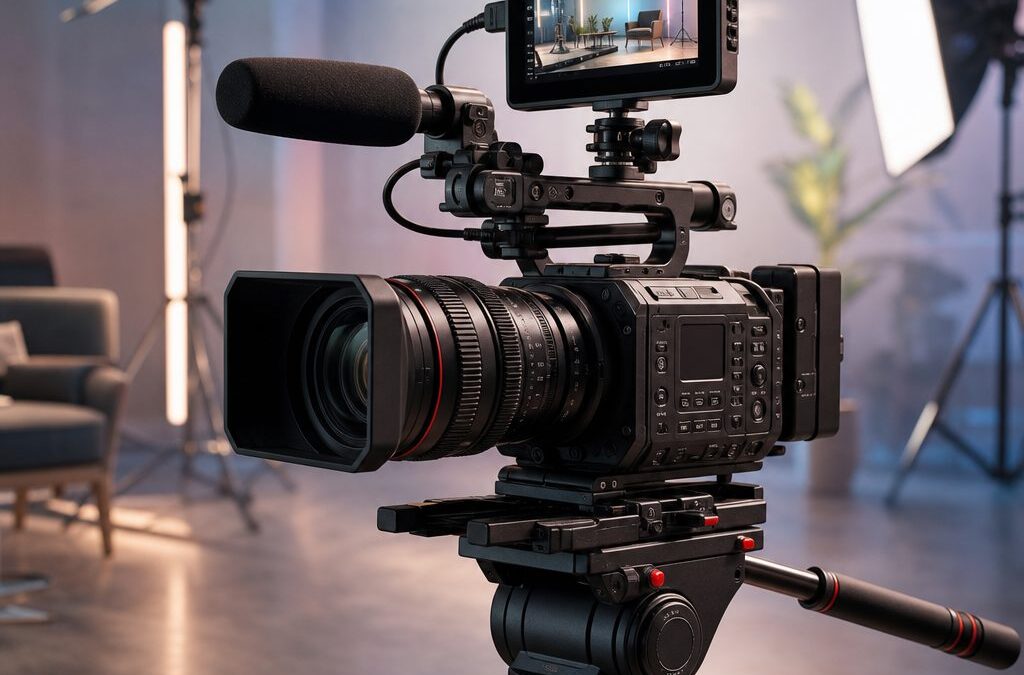
Corporate video production built for each platform
For Visionair clients, the goal is practical: create video that looks credible, sounds clear, respects audience behaviour, and supports measurable outcomes such as awareness, enquiries, recruitment, investor confidence, or sales enablement. The best results come from combining creative storytelling with production discipline, then tailoring every export, caption, hook, and call to action before publishing.
Why platform-specific video matters
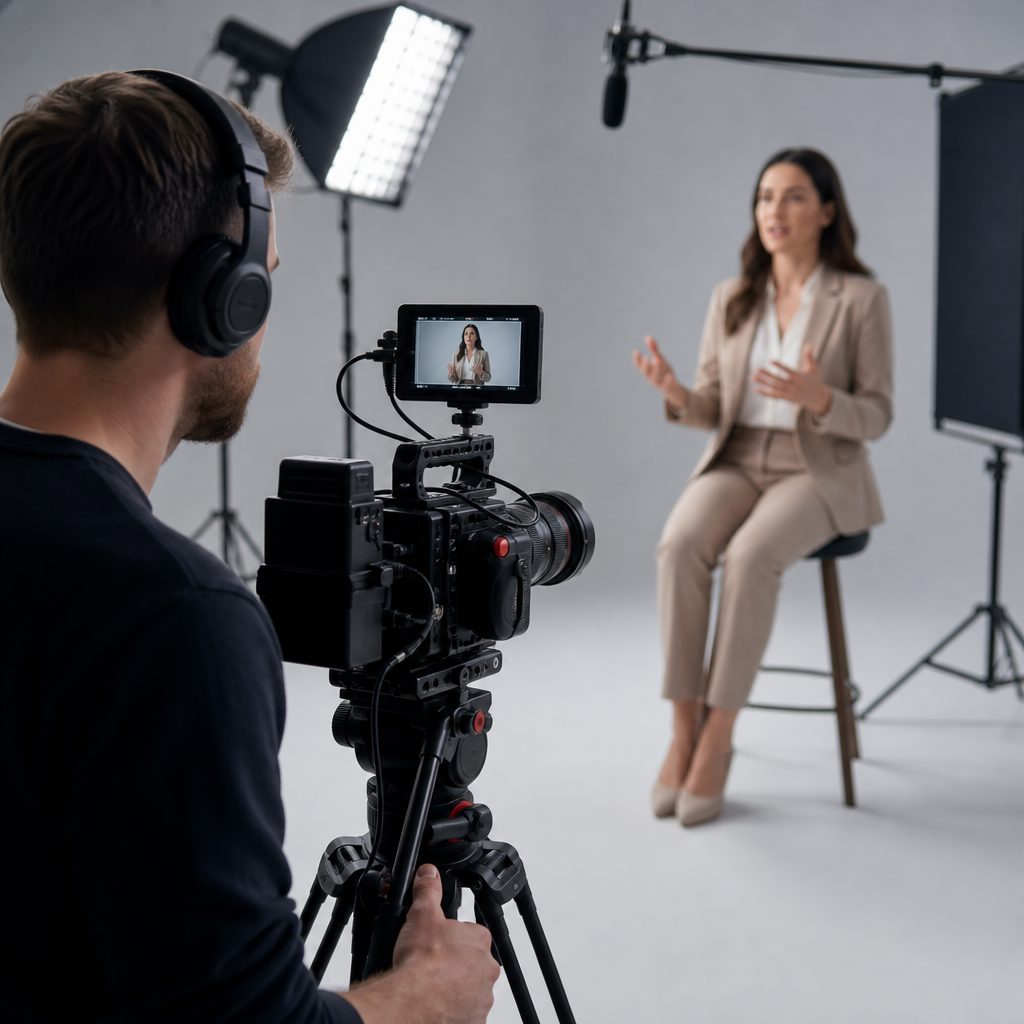
People use each network differently. LinkedIn viewers are often assessing expertise, trust, culture, and commercial relevance while moving through a professional feed. YouTube users may be searching deliberately, comparing providers, or watching longer educational content. Instagram, Facebook, TikTok, and other social channels reward immediacy, visual clarity, and fast emotional context.
That difference affects everything: the opening line, framing, graphics, subtitles, pacing, music, talent direction, and final duration. A boardroom interview that works on YouTube may need a sharper first sentence for LinkedIn and a vertical, caption-led cut for paid social. Planning these outputs early avoids expensive compromises later.
LinkedIn credibility
Use executive insights, customer stories, culture pieces, and thought leadership. Keep the message focused, professional, and easy to understand without sound.
YouTube depth
Build searchable, evergreen content such as explainers, case study videos, webinars, and product demonstrations. Prioritise structure, chapters, clear audio, and retention.
Paid social response
Create short variations with strong hooks, visible branding, and specific offers. Test different openings, thumbnails, captions, and calls to action.
Internal communication
Use video production for communications for updates, training, onboarding, and change programs. Production quality improves attention when the message must travel across teams.
What a campaign-ready production process includes
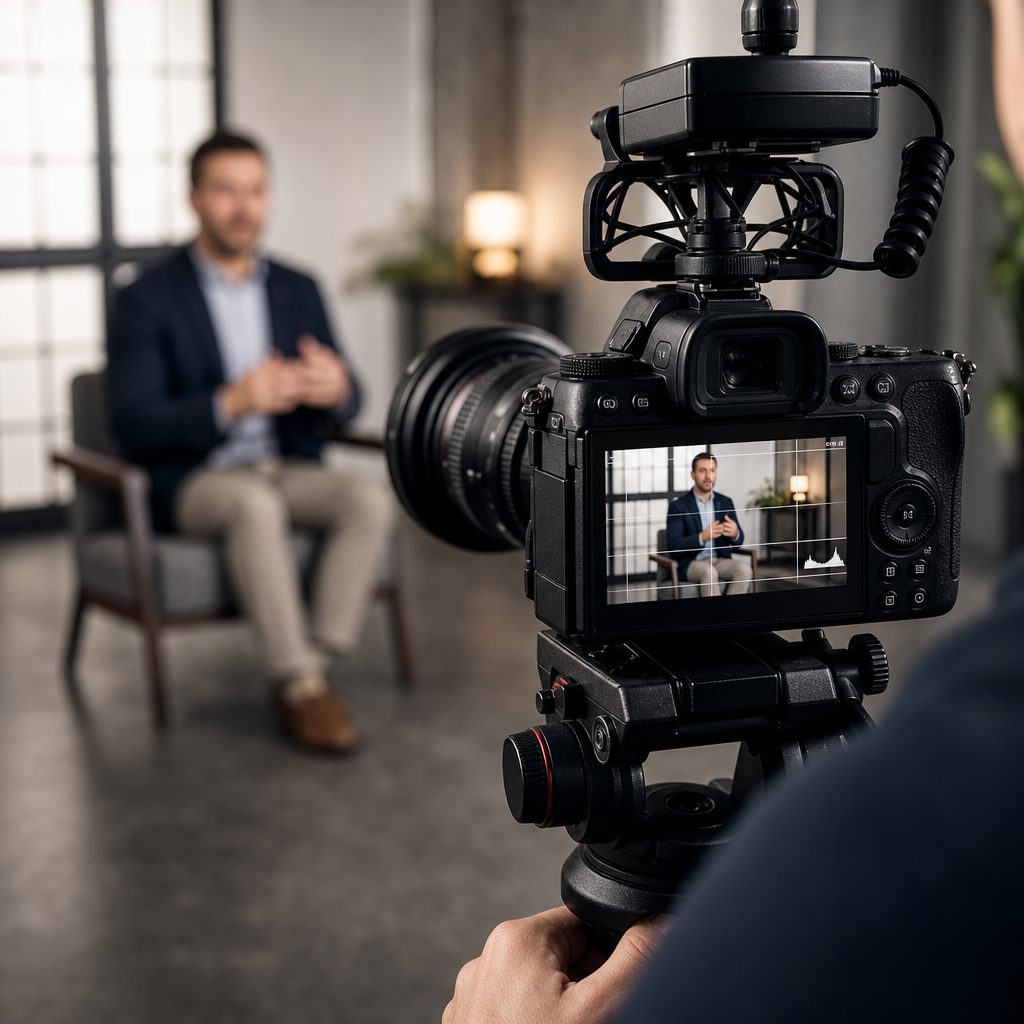
A corporate video campaign should be designed backwards from distribution and aligned with a clear production process. Before filming, confirm the audience, key message, proof points, desired action, and how success will be assessed. This prevents the common problem of capturing attractive footage that lacks a clear job.
Pre-production
Pre-production covers strategy, scriptwriting, interview questions, shot lists, locations, talent, approvals, risk planning, and the delivery matrix. For social campaigns, include the exact aspect ratios, durations, title-safe areas, caption requirements, and thumbnail concepts. If stakeholders need legal or brand review, build that into the schedule.
Production
Production is where strategy becomes material. Crews capture interviews, b-roll, product demonstrations, workplace scenes, drone footage where appropriate, clean audio, lighting, and branded details. A smart shoot also records alternate intros, cutaway moments, stills, and vertical framing options so the edit suite has choices.
Post-production
Post-production includes editing, colour grade, sound mix, motion graphics, captions, music licensing, review rounds, accessibility checks, and exports. This is also where one shoot can become a full content suite: hero film, cutdowns, quote clips, teaser ads, silent autoplay versions, and platform thumbnails.
How to make video work on LinkedIn
LinkedIn is strongest when the video feels useful rather than overly promotional. Open with the problem or insight, not a logo animation. Show credible people, relevant workplaces, genuine customer outcomes, or practical expertise. Keep captions accurate because many users watch with sound off.
Good LinkedIn formats include a founder explaining a market shift, a subject matter expert answering one question, a customer success story, an employer brand clip, or a concise event recap. For paid LinkedIn campaigns, produce several first-three-second openings so the media team can test message angles without reshooting.
How to make video work on YouTube
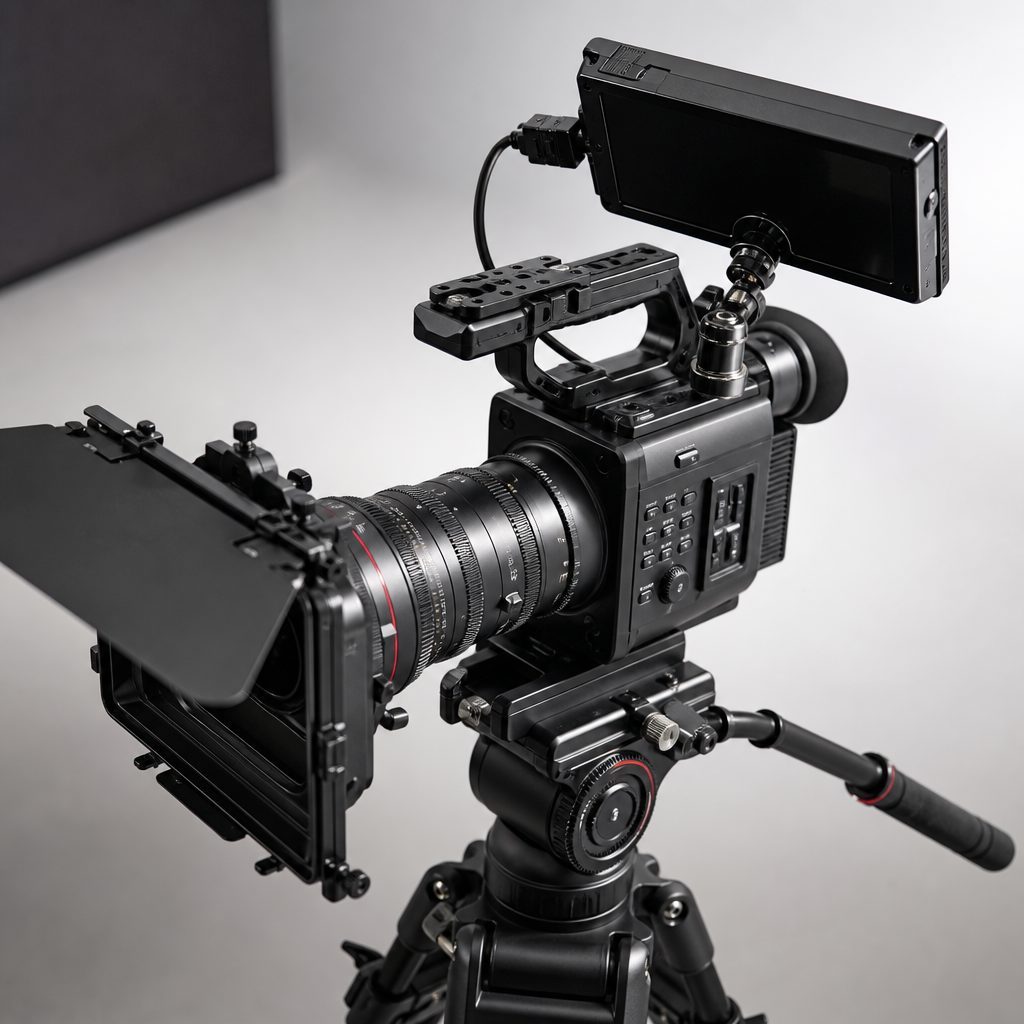
YouTube rewards clarity and depth. Unlike a scrolling feed, viewers often arrive with intent, so your video should answer the promise made by the title and thumbnail. A corporate YouTube asset might explain a service, document a project, demonstrate technology, answer buyer questions, or host a webinar recording.
Plan a clear beginning, middle, and end. Use chapters or on-screen headings for longer pieces. Invest in clean audio, because viewers will forgive simple visuals before they forgive unclear speech. Write descriptions that summarise the content, include useful links you can verify, and support search without exaggeration.
YouTube edge cases
If the subject is complex, split one long script into a series. If the audience is niche, prioritise accuracy over viral style. If confidentiality matters, use animation, product close-ups, or approved b-roll instead of sensitive operational footage.
Planning social media campaign assets
Social media campaigns need variation. One edit rarely answers every placement, audience, and objective. Build a matrix that includes organic posts, paid awareness ads, retargeting clips, story or reel versions, square feed edits, vertical cuts, thumbnails, captions, and still frames.
For example, a customer story can become a two-minute case study, a thirty-second problem-solution ad, three quote clips, a vertical testimonial, and a sales team snippet. This approach lowers waste and gives marketers enough creative options to match campaign data.
Choosing the right corporate video partner
When choosing a corporate video production partner, look for a team that asks about objectives before equipment. The right partner will understand risk, stakeholder approvals, audience psychology, and delivery requirements. They should explain what can be achieved within the budget, where quality matters, and which deliverables are essential for the campaign.
Ready to plan campaign-ready video?
Speak with Visionair about a production plan for LinkedIn, YouTube, and social media.
About The Author
