
Event Video Production Services: The Direct Answer
Event video production services plan, capture, and edit professional footage from conferences, launches, awards nights, exhibitions, meetings, and live performances. A capable production partner manages creative direction, cameras, lighting, sound, interviews, presentation recording, and postproduction so organisers receive polished content for immediate and long term use.
The right service is not simply a camera operator. It is an event focused team that understands schedules, venues, audience movement, brand requirements, privacy, and the fact that important moments cannot be repeated. Deliverables may include a complete event film, concise highlights, speaker sessions, attendee interviews, social clips, and a livestream recording. Clear planning determines which combination will create the strongest return from your event investment.
01 What a Professional Event Video Service Includes
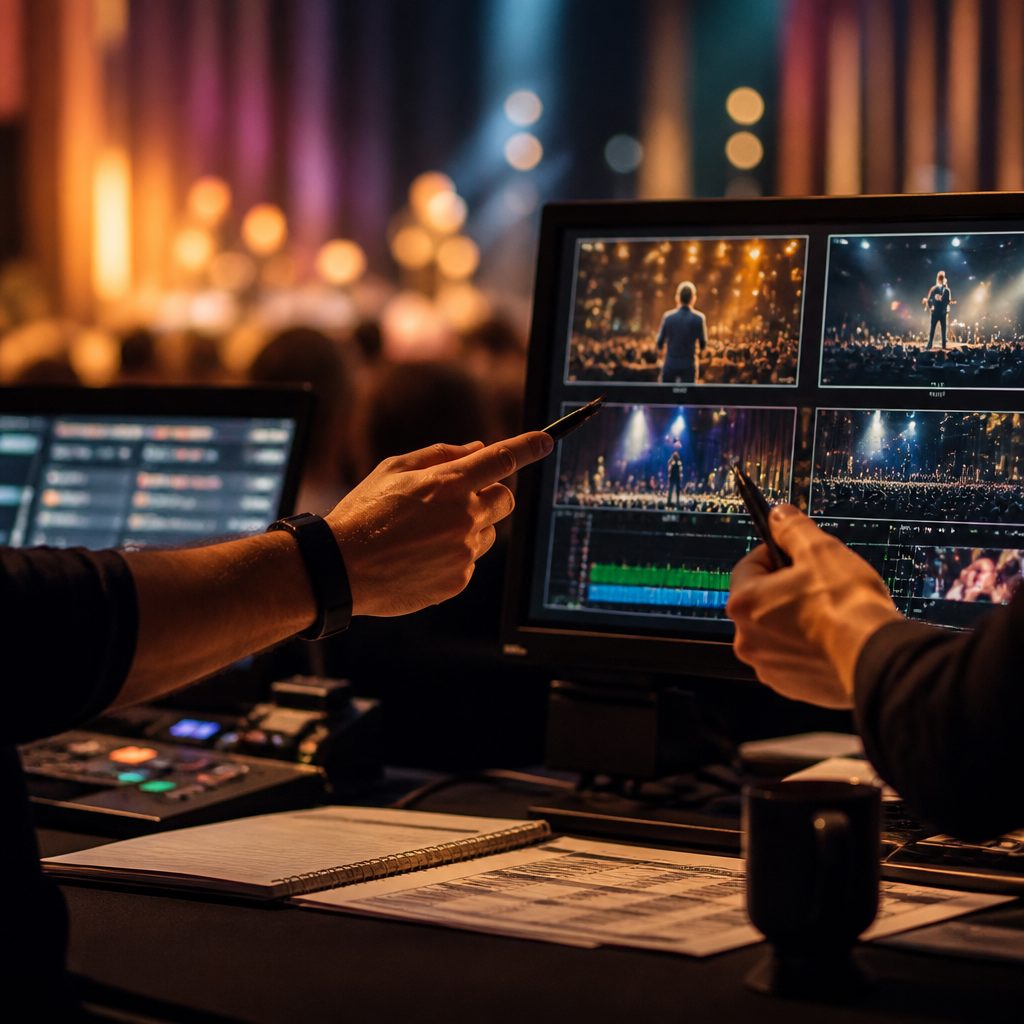
Reliable coverage begins before guests arrive and continues after the venue closes. Scope varies by event, but professional delivery normally combines the following disciplines under one production plan:
Preproduction Planning
The team confirms objectives, audiences, run sheets, access times, filming permissions, brand references, and delivery deadlines. A site inspection can identify camera positions, power access, stage sightlines, and audio connections.
Multicamera Coverage
Multiple angles preserve keynote presentations, audience reactions, demonstrations, entertainment, and unscripted interactions. Camera placement should provide complete coverage without obstructing guests or venue operations.
Professional Sound
Clear audio is essential, especially when presentations will be republished. The crew may take a feed from the venue desk while recording independent backup channels and room ambience.
Lighting and Interviews
Purposeful lighting makes interviews consistent and flattering, even in difficult venues. Producers can prepare concise questions, guide contributors, and capture answers that support the final narrative.
Postproduction and Delivery
Editing turns extensive footage into coherent stories with music, titles, captions, brand graphics, colour correction, and audio mixing. Export formats should match websites, presentations, archives, and social channels.
02 Choosing Deliverables That Match Your Goals
Begin with the business outcome, not a fashionable format. An internal conference may require full presentations and searchable chapter markers. A product launch may need a cinematic recap, media interview footage, and vertical clips released quickly. A fundraising dinner may prioritise emotional stories, sponsor visibility, and a concise film for future campaigns.
Ask where each video will appear, who must approve it, and how soon it is needed. A single widescreen edit rarely performs equally well on every platform. Planning alternative framing, subtitles, clean graphic zones, and short opening sequences during preproduction avoids awkward cropping and rushed revisions later.
03 How the Production Process Works
Discovery defines the purpose, audience, tone, deliverables, budget boundaries, and measures of success. The producer then converts the event schedule into a practical filming plan. Good planning is detailed enough to reduce risk but flexible enough to accommodate a delayed speaker or changed room.
Before the event
Confirm the brief, venue rules, crew credentials, safety requirements, parking, loading, power, internet, release arrangements, and key contacts. Share the final run sheet and identify moments that have only one opportunity for capture.
During production
The crew coordinates with organisers, venue technicians, presenters, photographers, and livestream teams. They monitor recordings, protect media, capture establishing details, and adapt discreetly as timings change. Redundant audio or recording paths may be appropriate for critical content.
After the event
Footage is backed up, organised, reviewed, edited, branded, mixed, captioned, and exported. The client reviews agreed drafts through a defined feedback process. Final files should have clear names, suitable resolutions, and an understood retention period.
One decision maker should consolidate feedback from stakeholders. Conflicting comments from several reviewers can delay delivery and increase revisions, particularly when speakers, sponsors, and brand teams all have approval rights.
04 Budget, Quotations, and Scope Decisions
Event video pricing depends on scope rather than event prestige. Key variables include planning time, event duration, crew size, camera quantity, travel, specialist equipment, livestreaming, graphics, music licensing, captioning, edit complexity, turnaround, and the number of deliverables. A quote should state what is included, what triggers additional charges, and how revision rounds work.
Avoid false comparisons
A lower quote may cover one operator and a simple highlights edit, while another includes production management, multiple cameras, dedicated sound, interviews, graphics, captions, and rapid delivery. Compare responsibilities, outputs, production hours, and contingency provisions line by line.
Where to prioritise
Protect clear sound first, then ensure enough camera coverage for moments that cannot be repeated. If budget is constrained, reduce the number or complexity of final edits rather than leaving a critical presentation without reliable recording. Shorter attendance by a larger crew can sometimes outperform longer attendance by one overstretched operator.
05 How to Select an Event Video Partner
Review relevant event work, not only polished commercials. Event filming demands anticipation, calm communication, technical redundancy, and unobtrusive movement around live audiences. Ask a prospective partner to explain how they handle schedule changes, poor venue lighting, noisy rooms, restricted access, missing audio feeds, and urgent edits.
Use this practical checklist before appointment:
- A written scope connects every filming activity to a deliverable.
- Crew roles, arrival times, equipment, and venue responsibilities are clear.
- The supplier has suitable insurance, safety processes, and data handling practices.
- Audio, media, and critical recordings have sensible backup plans.
- Review stages, revision limits, delivery dates, and usage rights are documented.
- Communication has one production lead and one client decision maker.
Also consider working style. A technically strong crew can still create problems if it distracts guests or competes with venue operations. The best team remains composed, respectful, appropriately presented, and attentive to confidential conversations or people who decline to appear.
06 Practical Edge Cases to Plan For
Not every event follows the run sheet. Outdoor programs need weather protection, wind resistant audio, changing light plans, and safe cable routes. Hybrid events require coordination between room sound, presentation slides, remote callers, and platform operators. Multiroom conferences need prioritised schedules or separate crews because simultaneous sessions cannot be covered by one camera team.
Privacy also requires care. Organisers may need signage, registration notices, speaker releases, or filming exclusion procedures appropriate to their event and policies. Children, healthcare settings, confidential demonstrations, and unreleased products deserve explicit instructions. If a contributor withdraws permission after filming, well logged footage makes identification and removal more manageable.
Questions to answer before filming
- Can cameras record slides, audience members, artwork, or licensed performances?
- Who can approve an interview when the planned spokesperson is unavailable?
- What happens if the event runs overtime or a session changes rooms?
- How quickly must media be copied, reviewed, captioned, and published?
Plan Event Coverage With Confidence
Successful event video production starts with a clear purpose, realistic scope, and a team prepared for live conditions. Define the audiences, essential moments, required formats, approval pathway, and deadline before comparing proposals. Then assess whether the proposed crew, sound plan, camera coverage, and postproduction workflow support those needs.
Visionair can help translate your event schedule into a practical production plan and a useful set of assets. Discuss your objectives, venue, timing, and priorities before the date is locked.
About The Author
