

01 Direct answer: trust is built through clarity, realism and consent
Healthcare photography and video build patient trust before the first appointment by showing who will care for the patient, what the environment looks like, how key processes work and what standards of privacy and respect are followed. The strongest content feels calm, accurate and human, not staged or promotional.
For a clinic, hospital, allied health provider or specialist practice, this usually means combining professional team portraits, authentic facility photography, short practitioner introductions, patient pathway videos and clear website or social media edits. Done well, these assets reduce uncertainty and help people feel prepared before they arrive.

02 Why trust starts before a patient walks in
A patient’s first impression often forms while they are comparing providers online. They may be anxious, time poor, managing pain or booking care for someone else. If the only available visuals are stock images, empty rooms or inconsistent phone photos, the provider can appear distant, even when the clinical care is excellent.
Purposeful healthcare content answers practical questions: Is the practice clean and organised? Will staff be approachable? Where do I go on arrival? What equipment might I see? Can I understand the clinician’s manner before committing to an appointment?
03 The most useful photography for healthcare websites
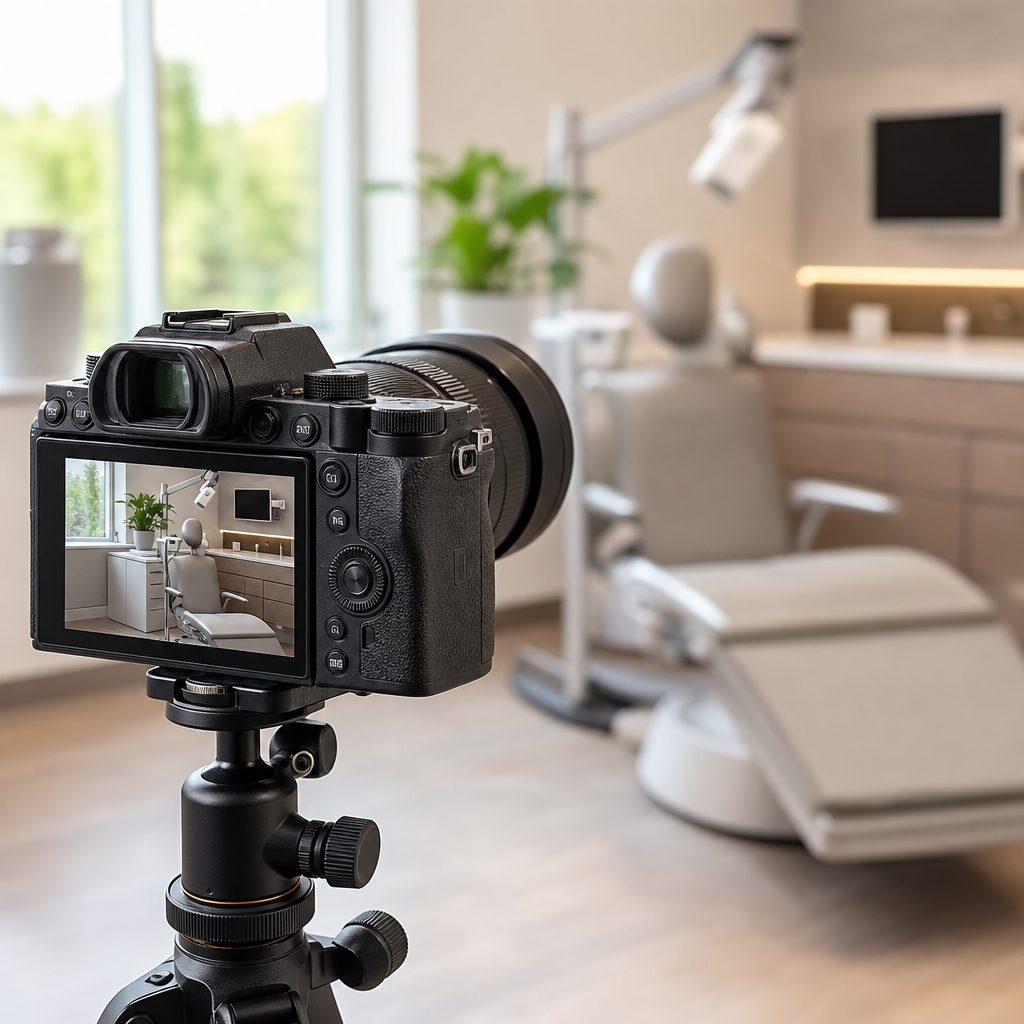
Professional healthcare photography should document the real experience without compromising dignity, infection control or privacy. For many organisations, the core set includes headshots, group portraits, reception and waiting areas, consultation rooms, treatment spaces, equipment, wayfinding details and environmental images for recruitment or community communication.
A planned commercial photography services shoot can create consistent images for a website, Google Business Profile, brochures, referral packs and internal presentations. The brief should specify which areas may be photographed, who needs to approve images and whether any patients, actors or staff will appear.
Examples that work well
- Warm, professional portraits of clinicians and administration staff.
- Reception imagery that shows arrival, check-in and seating expectations.
- Detail shots of equipment only when they help explain care.
- Accessible entry, parking or lift images for patient orientation.

04 Video that reduces uncertainty
Video adds tone, movement and explanation. A short welcome film can introduce the practice culture, while practitioner introduction videos let patients hear a clinician speak plainly about their approach. For larger health organisations, service explainers can show the steps in an admission, imaging appointment, rehabilitation program or community health visit.
When planning video production for healthcare, keep scripts concise and avoid promising outcomes. The goal is to explain, orient and reassure. Visionair Media’s video production teams work across corporate, government, infrastructure, education and health related environments, so planning, access and stakeholder approvals are treated as production requirements, not afterthoughts.
Practitioner introductions
Short videos help people understand a clinician’s communication style, areas of focus and consultation manner before booking.
Patient pathway explainers
These clips walk through arrival, preparation, consultation and follow-up steps, which is useful for complex or unfamiliar appointments.
Facility and service films
A concise overview can show spaces, equipment and team coordination while keeping sensitive clinical areas protected.
05 Privacy, consent and clinical accuracy

Trust can be damaged quickly if content feels careless. Healthcare organisations should establish consent procedures, talent releases, location approvals and review pathways before production day. Avoid filming identifiable patients unless there is informed, documented permission and a clear reason to include them.
Australian privacy obligations can vary by organisation and context, so production planning should align with internal policies and current guidance from the Office of the Australian Information Commissioner. Clinical statements should also be reviewed by an appropriate subject matter expert to avoid misleading or outdated information.
06 Common mistakes that weaken confidence
The most common problems are not creative; they are practical. They make patients wonder whether the experience will be equally disorganised.
A practical pre-production checklist, similar to the questions covered in Visionair Media’s production FAQ, helps teams settle approvals, timings and responsibilities early.
07 How to compare healthcare photography and video providers
A buyer should compare providers on process, not just showreels. Ask how they manage confidentiality, location constraints, interview coaching, lighting in clinical spaces, backup recording, approvals and content delivery. Review whether their portfolio includes complex organisations where multiple stakeholders, safety requirements or public-facing communications are involved.
For evidence, look at a supplier’s projects and portfolio rather than relying on claims. If your organisation is based in NSW, a team offering commercial photography in Sydney may simplify planning, while national providers can support consistent standards across multiple sites.
Questions to ask before appointing a supplier
- Who will handle consent forms, staff briefing and final approvals?
- Can the crew work quietly around patients and appointments?
- How will files be named, delivered, licensed and archived?
- What is included in the estimate, and what may change?
08 Budget, scope and when production may not be suitable
Budget depends on the number of locations, crew size, interviews, edit versions, usage requirements and approval rounds. A pricing conversation should include deliverables, not just shoot hours. Visionair Media’s guide to video production pricing explains common cost variables for organisations comparing options.
There are also times when production should wait. If rooms are under renovation, staff messaging is unresolved, consent pathways are unclear or clinical information is changing, it is better to pause than publish content that will date quickly or create confusion.
Next step
If your healthcare organisation needs trustworthy photography or video, prepare a clear brief, then request a quote for a practical onsite production plan.
About The Author
