
Direct answer: finding government-ready photographers
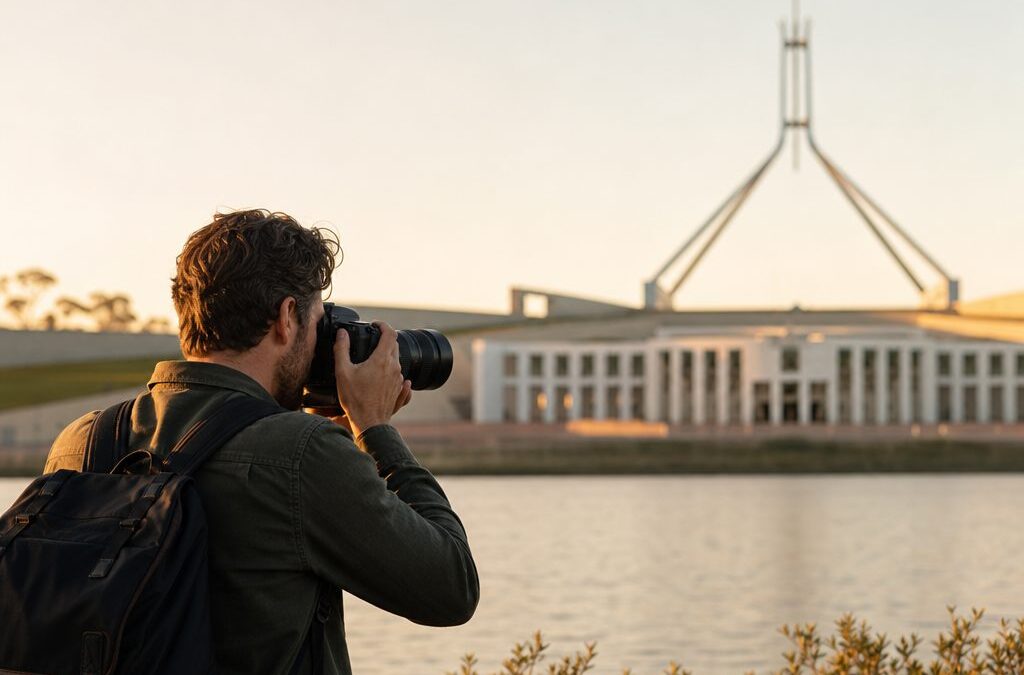
To find photographers experienced with Australian government contracts, look for suppliers who can demonstrate public-sector procurement experience, strong compliance habits, reliable documentation, and the ability to work around sensitive people, locations and approvals. Check portfolios, referee-ready project examples, insurance, safety processes, privacy awareness and their capacity to meet briefing, security and delivery requirements without constant supervision.
Government work is not simply event coverage with a different logo. The right photographer understands stakeholder protocols, consent, access restrictions, brand guidelines, accessibility expectations and the need for auditable communication. A cheaper generalist may be suitable for a simple headshot day, but higher-risk projects usually need a team used to formal briefs and accountable delivery.
Where to start your search
Start with government procurement channels and then widen your search. For Australian Government opportunities, AusTender is the central publication point for open approaches to market and awarded contracts, so it can help you understand which creative services are being bought and how suppliers describe their capability. State and territory tender portals can also reveal agencies, panel arrangements and categories relevant to photography.
Also search commercial portfolios, LinkedIn profiles and agency supplier lists for phrases such as public sector, department, council, infrastructure, health, education and ministerial events. If your project is in New South Wales, a provider offering commercial photography in Sydney may be practical for fast site access, briefings and retakes, but still check whether the team can work nationally.
Ask procurement before approaching suppliers
Before requesting quotes, confirm whether you must use an existing panel, obtain multiple written quotes, follow a conflict-of-interest process or apply specific security, child-safe or work health and safety requirements. Procurement rules vary by jurisdiction and agency, so never assume a photographer can be appointed informally.
What experience should they prove?
The strongest evidence is not a vague claim that someone has worked with government. Ask for examples of comparable assignments: executive portraits, community engagement, infrastructure milestones, site documentation, public announcements, campaign assets or internal communications. The subject matter matters because photographing a hospital, construction corridor or school environment involves different risks from photographing a conference.
Visionair Media is an Australian corporate video production and commercial photography company headquartered in Sydney, with offices in Melbourne, Brisbane, Canberra and Auckland. Its work spans government departments, corporate organisations, infrastructure, health, education, agriculture and professional services clients, which is relevant when a brief needs both production discipline and visual consistency.
Capability checks that matter
Procurement familiarity
They understand purchase orders, supplier onboarding, insurance certificates, invoicing references and approvals. This reduces administrative delays.
Controlled environments
They can plan access, inductions, PPE, privacy-sensitive images and restricted areas before arriving on site.
Stakeholder management
They brief executives, community members and operational teams respectfully, without disrupting business or public services.
Delivery discipline
They provide clear file naming, usage notes, metadata where required and secure delivery of approved assets.
How to compare photographers
Use the same criteria for each supplier so the decision is defensible. A simple comparison matrix can include relevant experience, creative quality, compliance readiness, resourcing, geographic coverage, turnaround, price and risk. Ask who will actually attend the shoot, not only who owns the business or wrote the proposal.
Review their public-sector samples for appropriateness rather than gloss. Government images often need to be accurate, inclusive, restrained and reusable across media releases, reports, websites and social channels. Ask whether the photographer can follow your brand guidelines and supply alternate crops for accessibility, web, print and archival use.
Questions to ask before appointing
The best questions are practical. Ask how they manage consent, what happens if access changes, how they protect unpublished images, whether they subcontract, and how quickly they can deliver urgent selections. For drone work, confirm licensing, location constraints and approvals before assuming aerial images are possible; Visionair’s drone photography and aerial video service explains the production context for aerial capture.
It is also reasonable to ask for a sample run sheet, risk assessment format or delivery specification. You do not need confidential client documents; you need evidence that the photographer has a repeatable process. If they cannot explain their workflow clearly, they may struggle under government scrutiny.
Common mistakes when hiring for public-sector photography
Avoid choosing on day rate alone. A low price can become expensive if the photographer misses mandatory inductions, fails to capture required stakeholders, delivers files in the wrong format or cannot return for approved retakes. Also avoid briefing too late; government calendars change quickly, and approvals can affect locations, talent and messaging.
Another mistake is treating photography separately from communications assets. If you also need interviews, live streaming or campaign video, an integrated production partner can reduce briefings and keep visual style consistent. Visionair provides commercial photography services alongside corporate video production services and live streaming services when requirements expand. Visionair’s production FAQ can also help clarify timelines and inclusions.
When a government-experienced photographer may not be necessary
Not every job needs specialist public-sector experience. A small internal headshot session, low-risk office update or simple award presentation may be handled well by a competent local commercial photographer. In those cases, prioritise professionalism, lighting quality, punctuality and basic documentation rather than over-specifying the brief.
However, if images involve vulnerable people, operational sites, ministers, media deadlines, security restrictions or high public visibility, experience becomes more valuable. The cost difference often reflects planning time, backup systems, insurance, post-production control and the ability to solve problems calmly.
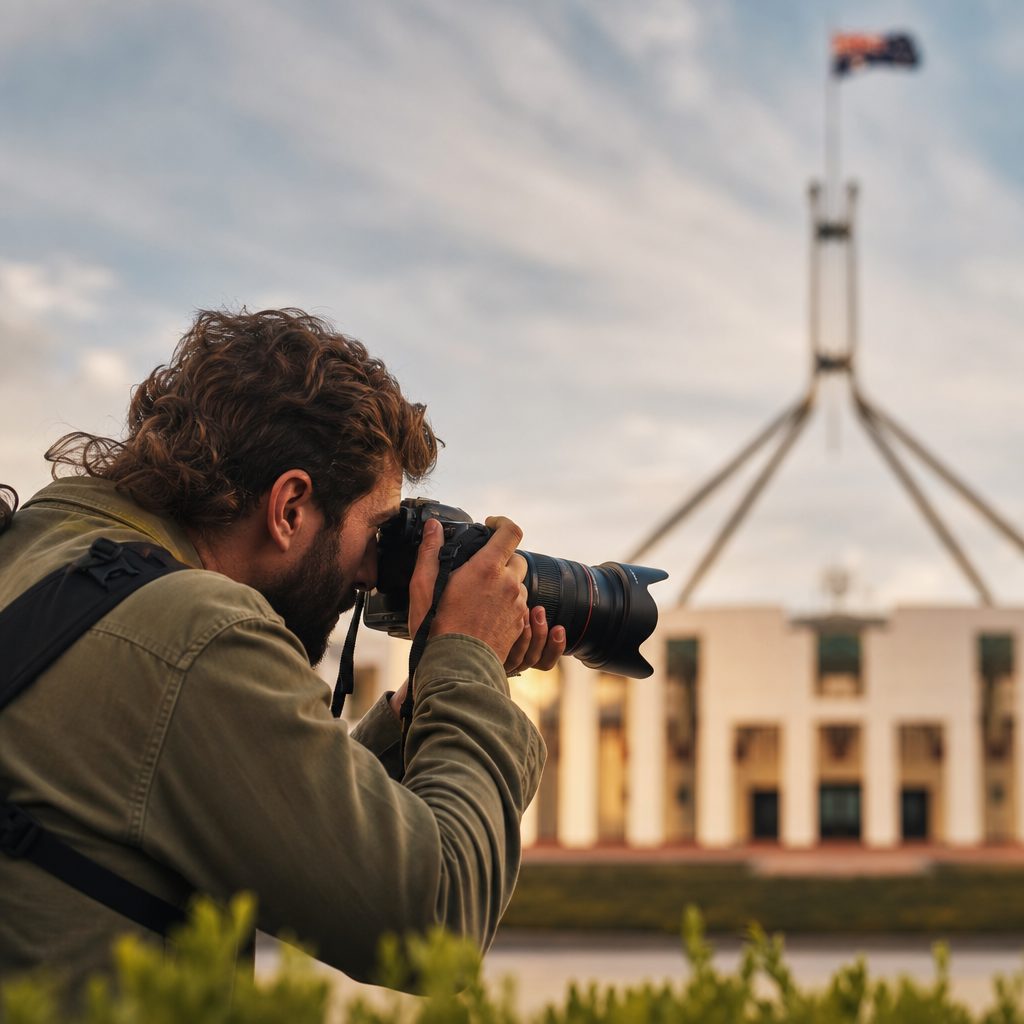
Need a photographer for a government brief?
If you are preparing a tender response, panel request or scoped photography brief, review Visionair’s project portfolio to assess visual style and production range, then request a quote with your objectives, locations, deadlines, usage requirements and any procurement conditions.
Summary
Find photographers who can prove public-sector experience, not just creative talent. Compare process, compliance and delivery, then choose the supplier whose capability matches the project’s risk, visibility and procurement pathway.
About The Author
