
Direct answer
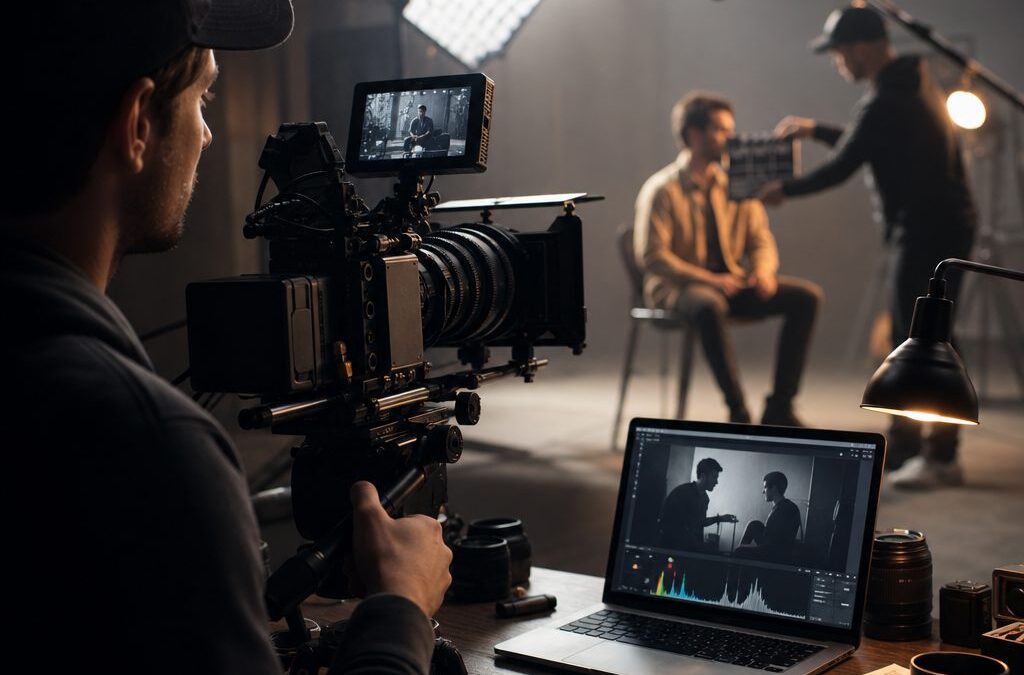
Professional video production services usually include strategy, pre-production planning, filming, audio capture, lighting, directing, editing, colour, sound, graphics, music licensing guidance, delivery and project management. The exact inclusions depend on the brief, budget, audience and distribution channel, but a professional team should guide you from the first idea through to final files that are ready for web, social media, events, training or broadcast use.
For organisations comparing suppliers, the key question is not simply what equipment is included. It is whether the service covers the thinking, coordination and quality control required to make the video useful. Visionair Media provides Australian corporate video production and related services from Sydney, Melbourne, Brisbane, Canberra and Auckland, working across government, infrastructure, health, education, agriculture and professional services.
What’s included before the shoot
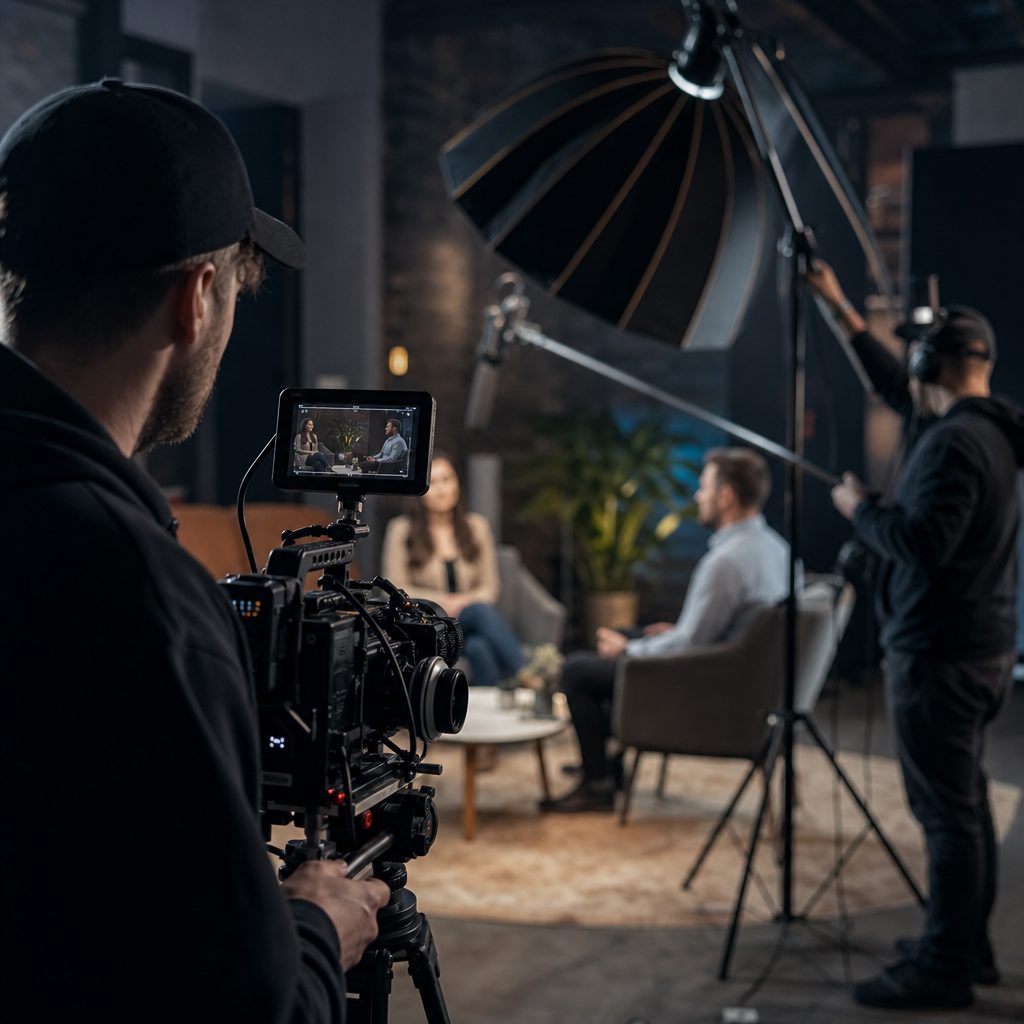
Pre-production is where the project becomes practical. A production company should clarify the purpose of the video, the audience, the message, the desired action and the channels where the content will appear. This stage often includes a creative brief, schedule, budget, risk considerations, talent planning, location advice, scripting, shot lists and approval milestones.
If you are producing a brand film, recruitment video or explainer, the most relevant starting point is Visionair’s video production services, because that page outlines the broader production capability rather than a single format.
Strategy and briefing
A strong brief prevents expensive changes later. It should answer: who is speaking, what must the viewer understand, what cannot be shown, who approves the edit and what deadlines are fixed. For government and corporate clients, this may also involve stakeholder interviews, accessibility needs, branding requirements and security or site access procedures.
Script, storyboard and schedule
Not every project needs a full storyboard, but most benefit from a written structure. Interview based videos may use discussion prompts instead of a script. Animated explainers and advertisements usually require tighter scripting, visual references and timed approvals before filming or design begins.
What happens during production
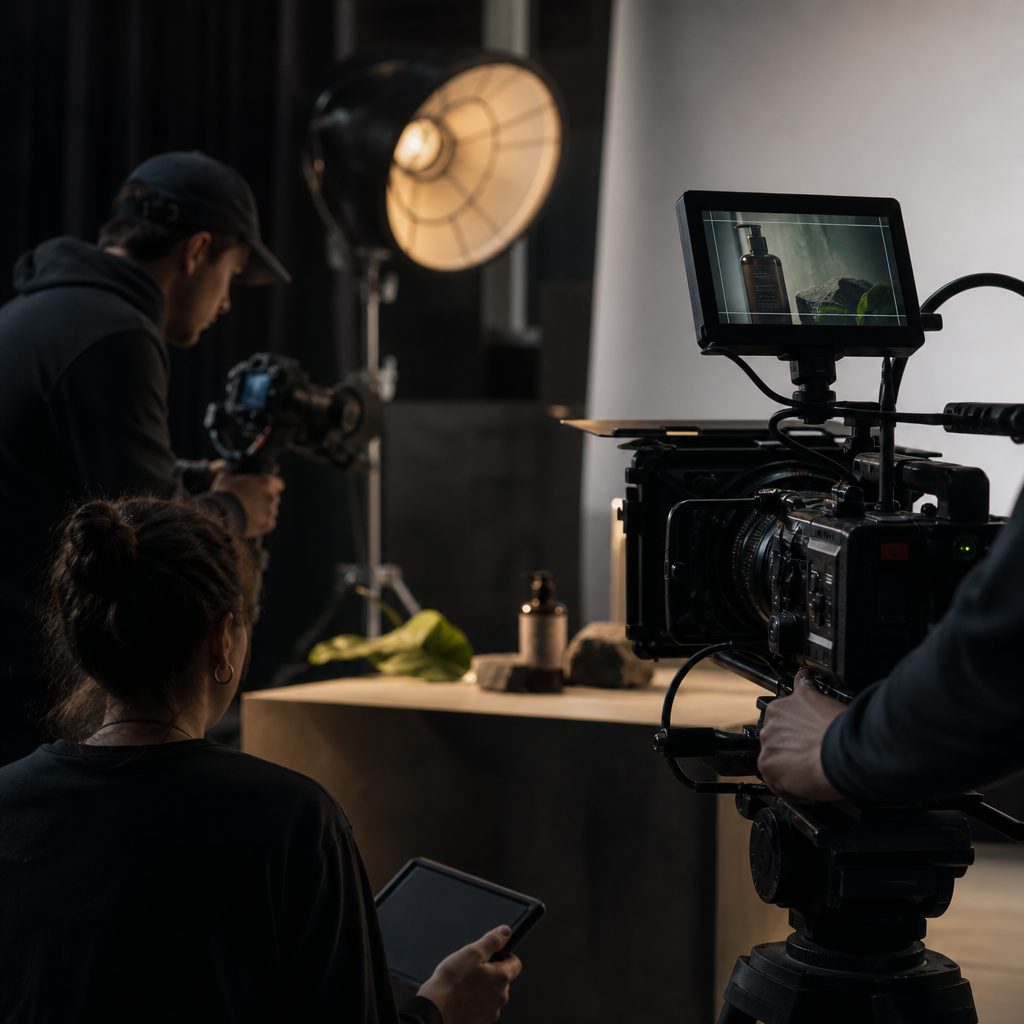
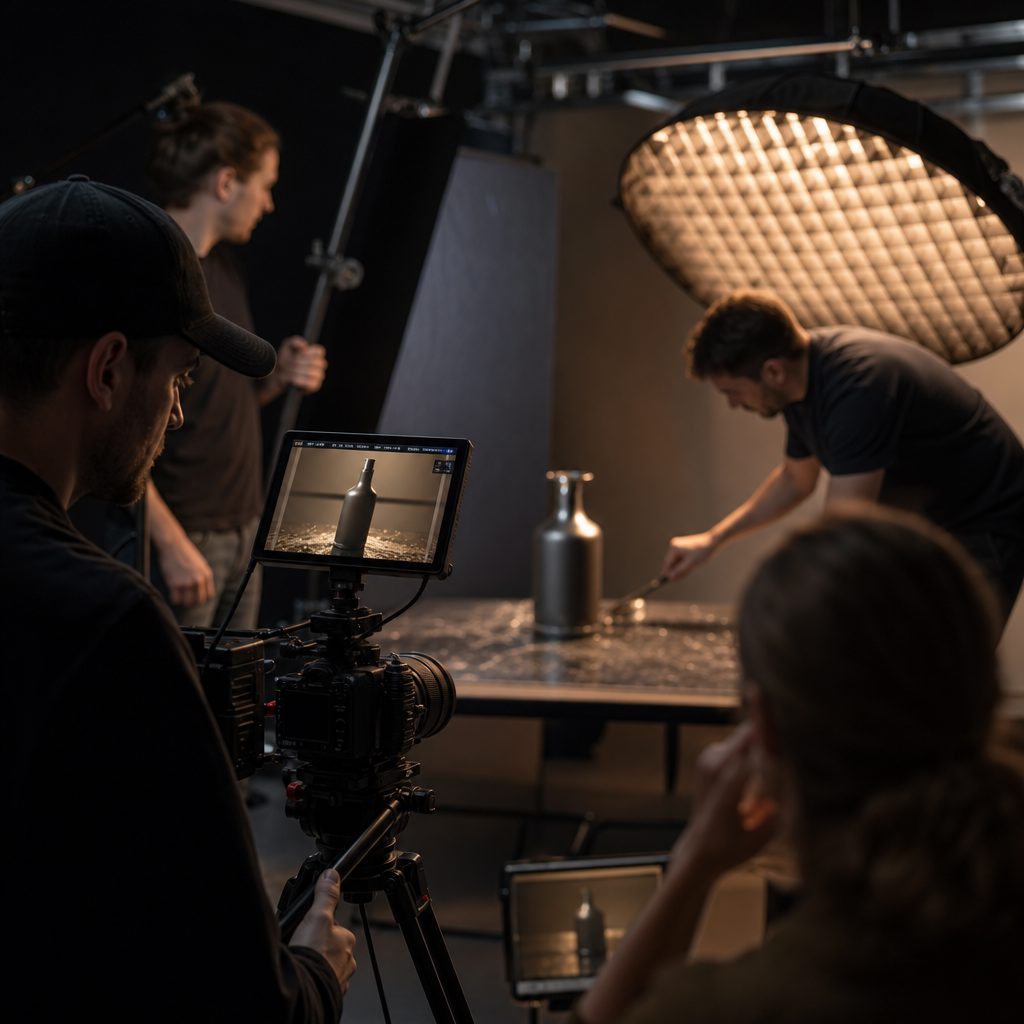
Production is the filming phase. A professional crew brings the people, equipment and direction needed to capture usable footage safely and efficiently. Typical inclusions may include a producer, director, camera operator, sound recordist, lighting assistant, drone operator, autocue, makeup, production assistant, location management and data handling. Smaller projects may only need one or two crew members; complex shoots may need a larger team.
For projects based in New South Wales, the professional video production in Sydney page is a useful next step for understanding local corporate filming support, while national organisations may need consistent crews across several locations.
Camera, lighting and sound
Good cameras matter, but lighting, lens choice, framing and clean audio often make the greater difference. Professional services should include appropriate microphones, monitoring, backup media and a plan for difficult conditions such as noisy factories, reflective offices, outdoor wind or changing daylight.
Direction and performance
Professional direction helps interviewees relax, keeps presenters on message and protects the edit. It can include coaching nervous staff, prompting natural answers, managing wardrobe choices and ensuring brand or legal sensitivities are respected during capture.
Post-production deliverables
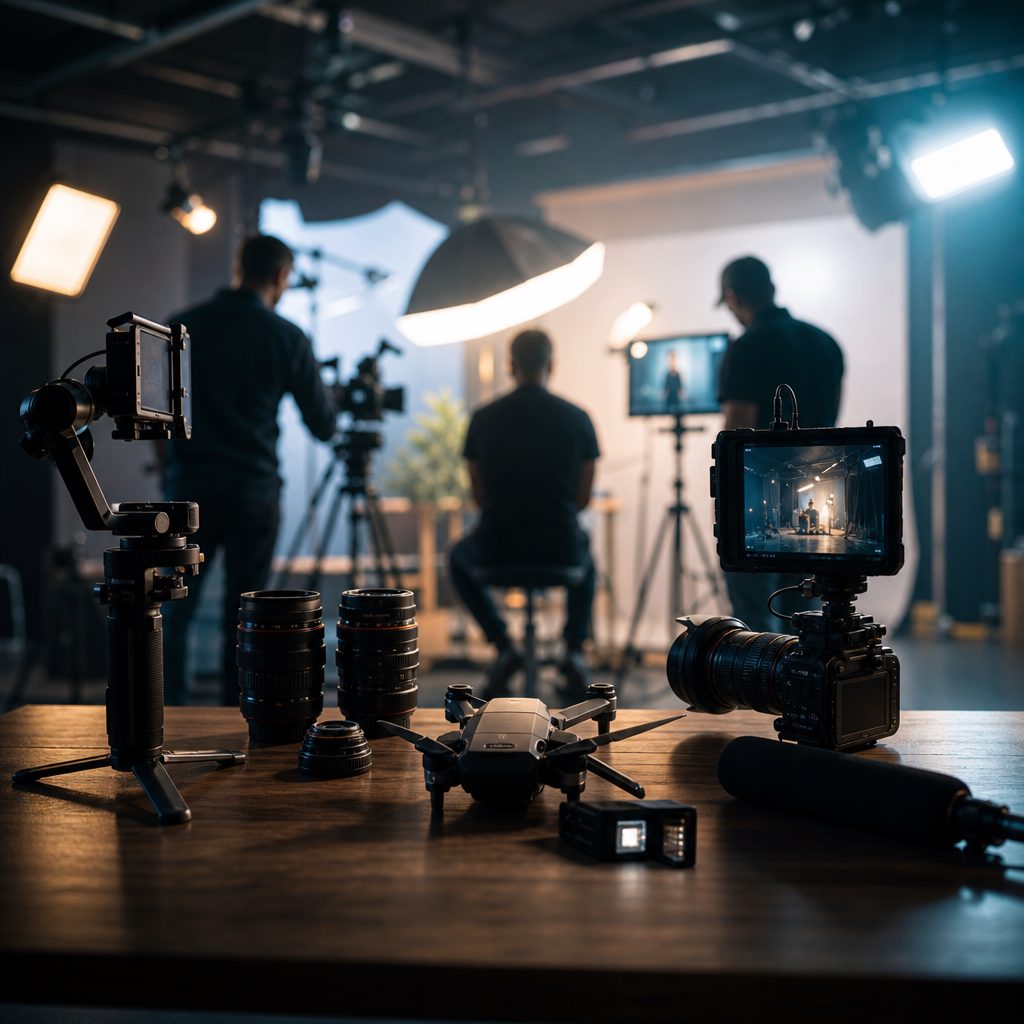
Post-production turns footage into finished communication. It normally includes ingesting and backing up media, selecting the best takes, assembling a first cut, refining the story, colour correction, audio mixing, titles, subtitles or captions, motion graphics, music selection and export. Depending on the brief, it may also include animation, voice over recording, still frame exports and different aspect ratios for LinkedIn, YouTube, websites or event screens.
A transparent quote should separate editing rounds, graphics, travel, studio hire, actors, licensing and final versions. Visionair’s guide to video production pricing in Australia can help buyers understand why two quotes for the same idea may vary significantly.
Review rounds and approvals
Most professional projects include a defined review process. This avoids confusion about who can request changes and when feedback is due. A common approach is first cut, revised cut and final master, although complex stakeholder projects may need more formal approval stages.
File delivery and archiving
Delivery should specify file formats, resolution, captions, naming conventions and where masters are stored. Ask whether raw footage is supplied, because it is not always included. Raw media can be large, may contain unusable takes and may require separate licensing or handover arrangements.
Optional specialist services
Professional video production may also include specialist services when they genuinely support the goal. Drone filming can show scale, access or geography, but it is not suitable for every site, weather condition or approval pathway. Live streaming can extend an event’s reach, but it needs robust internet, rehearsals, audio feeds and contingency planning. Photography can be efficient when still images are needed from the same campaign or location.
Useful specialist pathways include drone photography and aerial video for scale or inspection style footage, live streaming services for conferences and launches, and internal communications video production for employee updates, safety messages and change programs.
How to compare providers
When assessing production companies, compare more than showreels. Ask for a proposed process, crew roles, insurance, timelines, revision limits, inclusions, exclusions and examples of similar work. Review whether the supplier understands your sector, approval environment and audience. A glossy edit is valuable only if it answers the communication problem.
Look for proof that the team can handle real conditions, not just controlled studio shoots. Visionair’s projects and portfolio page provides a practical way to view different production styles, sectors and formats before you prepare a brief.
Questions to ask before booking
- Who manages the schedule, approvals and call sheet?
- What crew and equipment are included in the quoted day rate?
- How many edit rounds, versions and caption files are included?
- Are travel, talent, location fees, music and licences extra?
- What happens if weather, access or stakeholders change?
Summary and next step
Professional video production includes planning, filming, editing and delivery, plus the project management that connects those stages. The best scope is the one matched to your audience, message, risk level and distribution plan, rather than the longest equipment list.
Discuss your video project
Share your brief, timing and intended channels so the right scope can be recommended clearly.
About The Author
