
What skills do video producers actually need?
A video producer needs a blend of creative judgement, production planning, people management, commercial awareness and technical literacy. They do not need to be the best camera operator, editor, writer and strategist in the room, but they must understand enough about each discipline to guide decisions, protect the brief and keep the project moving.
In practice, the producer is the person who turns a business problem into an organised production. For organisations considering professional video production services, the producer’s skill set often determines whether the final video is clear, compliant, on schedule and useful after delivery.

Core skills every video producer relies on
Video production looks visual, but producing is mostly about decision quality. The following skills matter because they affect almost every stage, from discovery and scripting to filming, editing and distribution.
Brief interpretation
A producer must understand the audience, message, constraints and success criteria. A vague brief should become a clear creative direction, not a guessing game.
Scheduling and logistics
Locations, permits, crew, talent, call times, equipment and contingencies all need coordination. Small oversights can create expensive delays on shoot day.
Creative judgement
Producers need taste, restraint and an understanding of story. They know when a concept supports the objective, and when it is merely decorative.
Technical literacy
They should speak the language of cameras, lighting, audio, editing, codecs and delivery formats well enough to make informed trade-offs.
Stakeholder management
Corporate and government projects often involve several approvers. A producer keeps feedback structured, decisions documented and expectations realistic.
Budget control
Producing includes knowing where money is best spent. Extra shoot time, animation, travel or talent must be justified by the intended outcome.
Pre-production skills are usually the difference
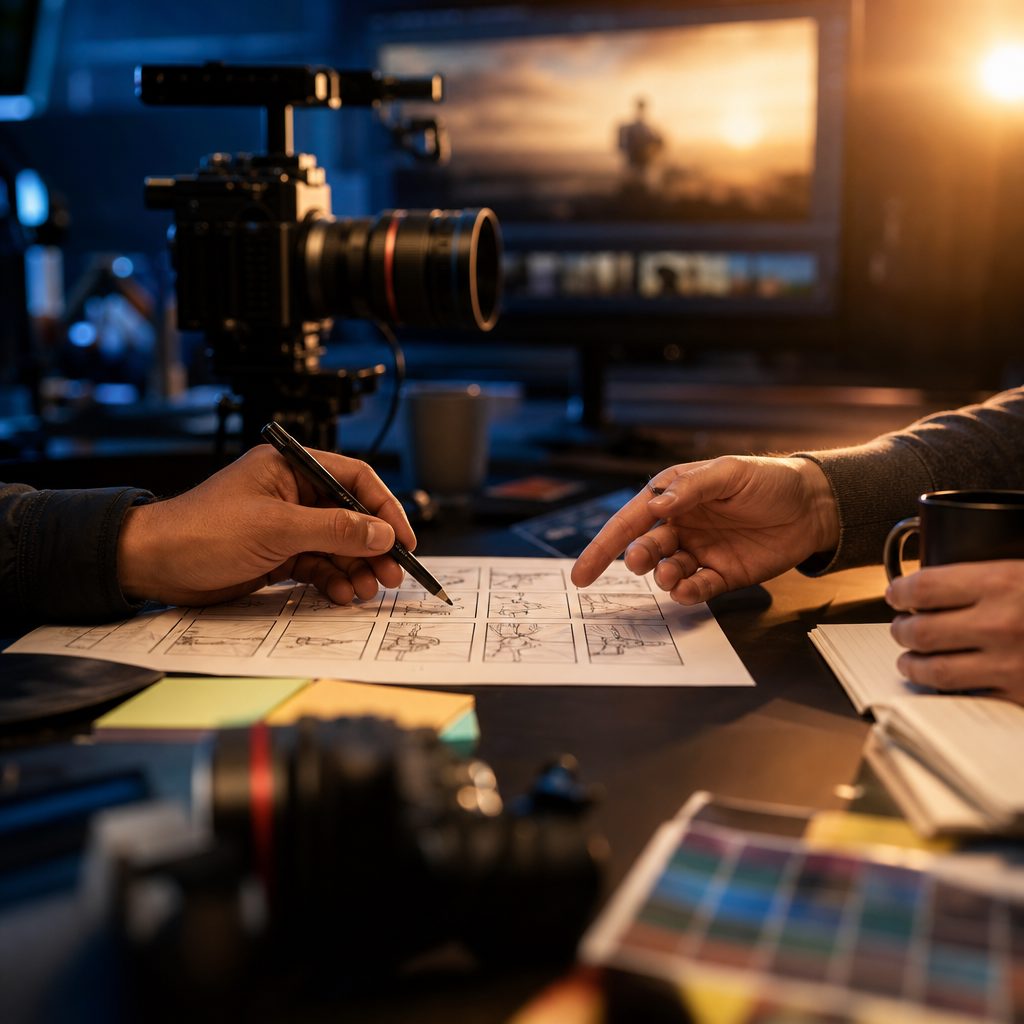
Many production problems are created before anyone arrives with a camera. Effective producers ask uncomfortable questions early: who is the audience, what action should viewers take, what must be approved, what cannot be shown, and how will the video be used?
For example, a recruitment film, an internal safety update and a case study interview may all need interviews, b-roll and editing, yet the producing approach is different. HR content needs sensitivity and authenticity; safety content needs accuracy; client stories need trust and careful preparation. Visionair Media’s work across corporate, government, infrastructure, health, education, agriculture and professional services projects reflects how much context changes the production method.
Useful pre-production skills include:
- developing a realistic schedule and run sheet;
- identifying risks before the shoot;
- preparing interview questions that sound human, not scripted;
- confirming brand, legal and accessibility requirements;
- briefing crew and contributors so everyone knows the purpose.
On-set leadership and communication
On a shoot, producers are part organiser, part translator and part problem solver. They may need to calm nervous interviewees, protect the director’s focus, negotiate with a site manager, monitor time, and ensure the client understands what is being captured.
This is where soft skills become production skills. A producer who listens well will notice when a stakeholder is unsure. A producer who communicates clearly can explain why an extra angle, pickup line or alternative location may be needed. In Sydney-based corporate work, the same discipline applies in offices, hospitals, campuses or construction environments; teams seeking professional video production in Sydney should expect calm coordination.
Common mistakes include overscheduling the day, failing to record clean audio, allowing too many people to direct an interview, or chasing beautiful footage that does not serve the edit. Good producers prevent these problems without making the process feel rigid.
Post-production judgement and delivery awareness
Producing does not end when filming wraps. Editors need clear selects, transcripts, notes, brand assets, music direction and review expectations. The producer should understand how a story is shaped in the edit, when to cut, when to simplify, and when a stakeholder request will weaken the message.
They also need delivery literacy. A conference screen, LinkedIn post, website banner, internal comms platform and tender presentation may require different durations, aspect ratios, captions or file specifications. For communication teams, internal communications video production can be more effective when the producer plans versions from the start rather than after the master edit is approved.
Budget awareness matters here too. An apparently small request, such as multiple cutdowns or animated subtitles, can affect editing time. A transparent producer explains these trade-offs and may refer clients to video production pricing in Australia so scope and cost remain aligned.

How to evaluate a video producer or production company
When comparing providers, look beyond showreels. A polished reel shows taste, but it does not prove process, reliability or fit. Ask how the producer develops a brief, manages approvals, handles changes, protects safety and prepares contributors.
Criteria include:
- relevant experience in similar environments, not just similar-looking videos;
- clear pre-production documents, schedules and responsibilities;
- practical understanding of audio, lighting, access and safety constraints;
- evidence of completed work, such as a projects and portfolio page;
- a sensible review process with defined feedback rounds;
- honest discussion of limitations, budget and timelines.
If your project relies on customer proof, ask whether the team understands case study video production, because interviewing clients requires tact, preparation and a structure that respects everyone’s time. If the concept involves advertising, the advertising and video production guide can help clarify the difference between a campaign idea and a production plan.
Also consider cultural fit. A producer can be technically strong yet unsuitable if they cannot work with your people, approval pathways or risk settings.
Summary: the producer’s real value
The essential skills for video producers are not isolated technical tricks. They are the ability to interpret a brief, organise resources, lead people, make creative and practical decisions, manage risk, understand post-production and keep the final purpose in view.
If you are planning a corporate, government or commercial video, choose a producer who can explain the pathway from objective to completion.
Need help planning your next video?
About The Author
