
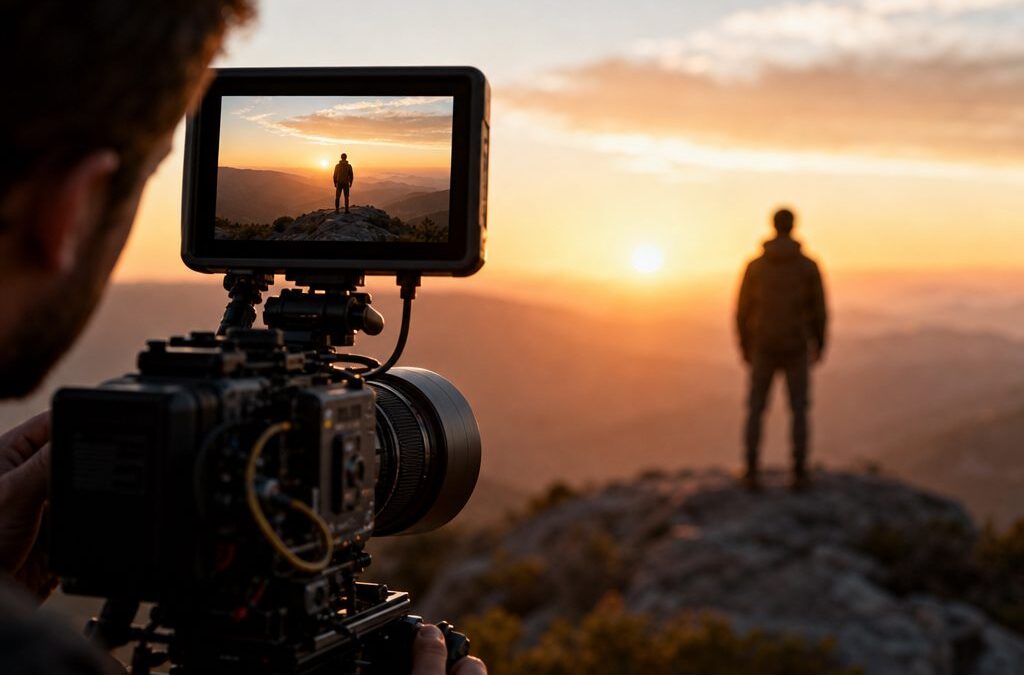
Brand Storytelling Through Video
Brand storytelling through video is the disciplined use of narrative, visuals, sound and editing to show what a business stands for, why it exists and how it helps people. The strongest brand videos do not simply describe products or services. They make the audience understand a problem, recognise a point of view and feel confident about the organisation behind the message.
Done well, video gives your brand a human frame: people, places, decisions, constraints and outcomes. For Visionair Media, that often means translating complex corporate, government, infrastructure, health, education, agriculture or professional services messages into clear stories that stakeholders can understand quickly and remember.
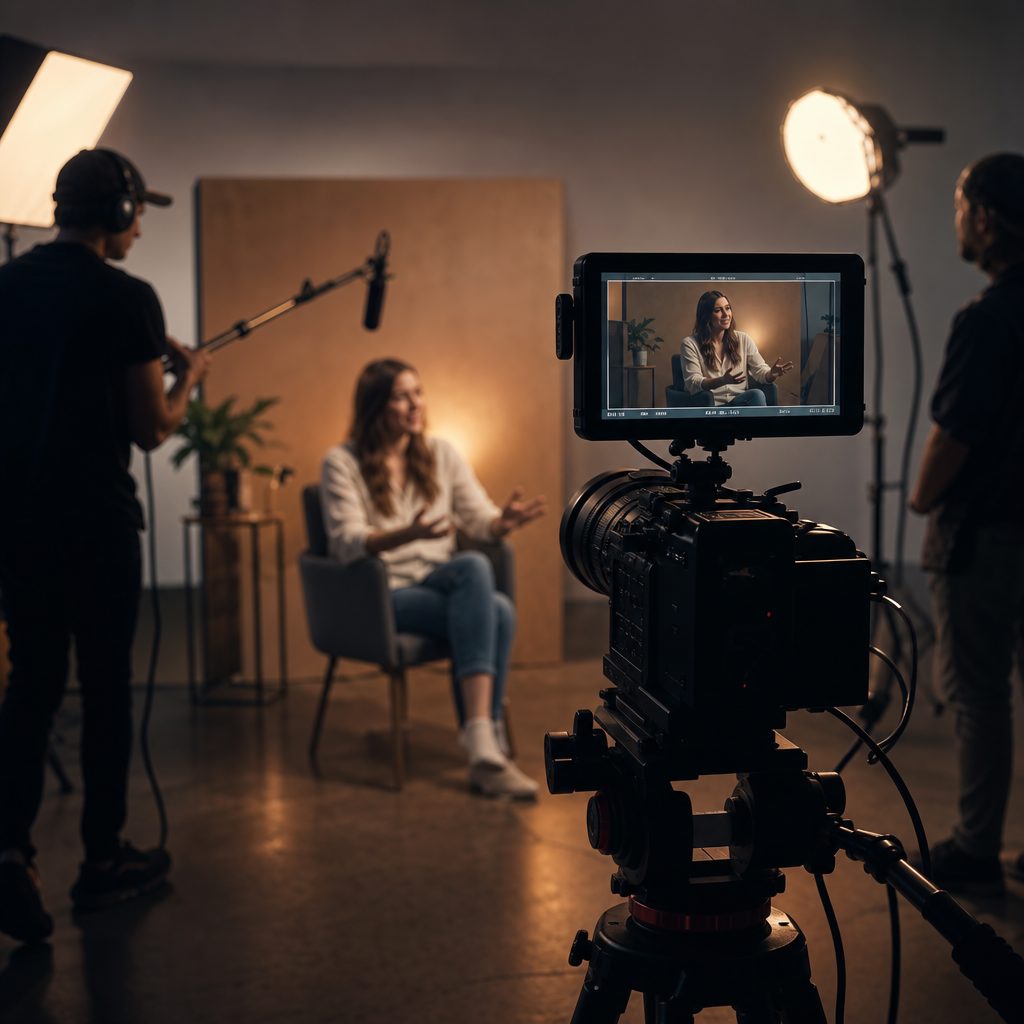
Why story works better than claims
Claims ask for belief. Stories provide context. A short film about a team solving a customer problem, preparing a facility for launch or explaining a public service can demonstrate values more naturally than a list of adjectives. Viewers see behaviour, not just messaging.
That is why brand storytelling belongs in the broader video production strategy, not as a one-off campaign extra. A homepage film, recruitment video, case study, internal communications piece and investor update may each tell a different chapter of the same brand story.
A simple story shape
Most effective brand videos have four parts:
- Context: what situation or challenge matters to the audience.
- People: who is involved and why their perspective is credible.
- Action: what the organisation actually does, builds, improves or changes.
- Meaning: what the audience should understand, trust or do next.
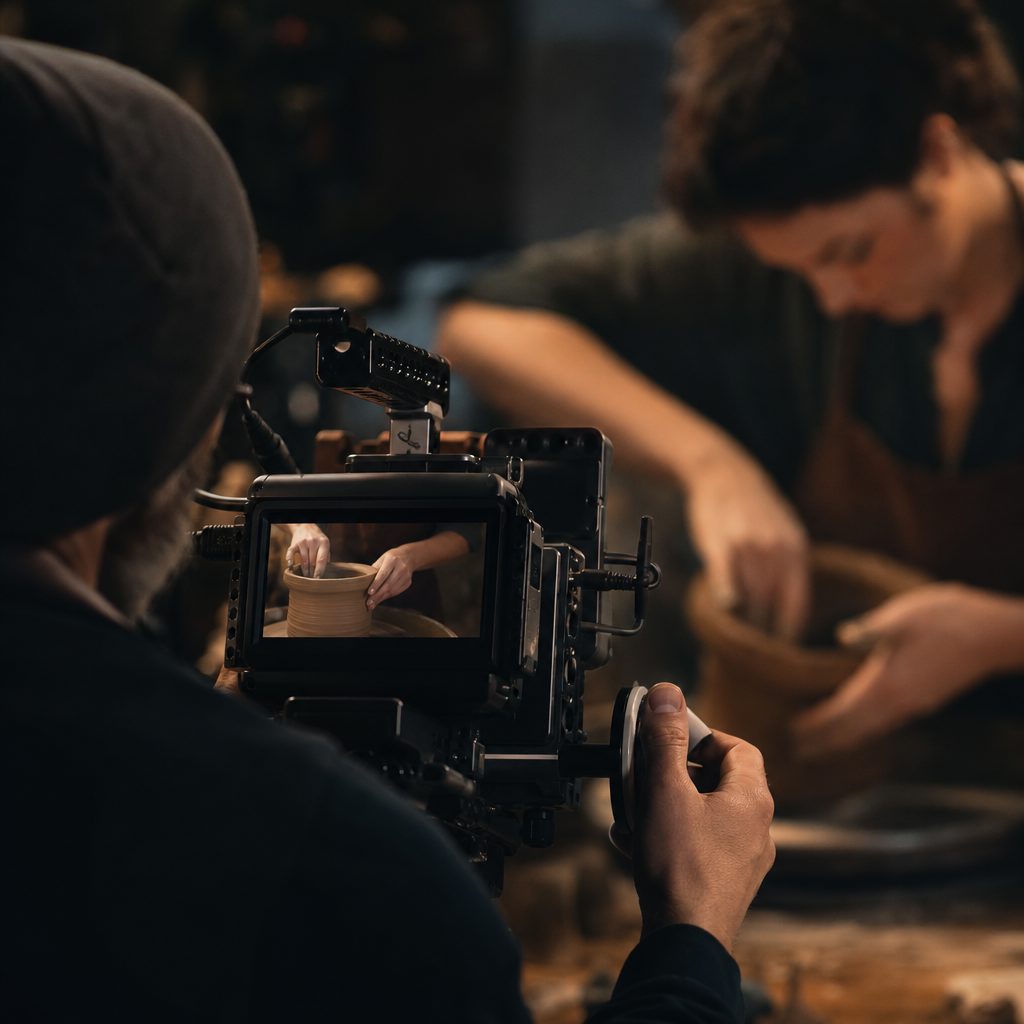
Choosing the right type of brand video
The format should follow the communication job. A polished brand film can introduce purpose and positioning, but it may be too broad for a buyer comparing suppliers. A customer story can provide social proof, but it needs access to willing participants and enough detail to feel useful. A founder or executive piece can build trust, yet it can feel staged if the message is over-scripted.
Brand film
Use this when the audience needs a clear sense of purpose, personality and direction. Keep it specific enough to avoid sounding like a slogan.
Case study video
Useful when you need to show a real problem, process and outcome. Visionair’s case study video production can help structure complex work without overstating results.
Video testimonials
Best when trust depends on another person’s experience. They require careful preparation so responses sound natural, lawful and relevant.
Internal story
For change programs, safety, culture or leadership communication, internal communications video production can align dispersed teams around consistent messages.
How to develop a credible story
Start with the audience, not the camera. Ask what they already know, what they doubt and what decision they need to make. Then identify one central idea. If the video tries to communicate history, values, services, recruitment, pricing and proof at once, the story will usually become vague.
Questions to answer before scripting
- What belief or action should change after watching?
- Whose perspective will make the message believable?
- What evidence can be shown on screen, rather than stated?
- Which locations, processes or people are safe and appropriate to film?
- What must be excluded because it is confidential, sensitive or distracting?
Practical constraints matter. Government, health, education and infrastructure environments may involve approvals, inductions, privacy concerns, access windows and safety rules. In Australia, brands should also consider consent, consumer law and privacy obligations; the Office of the Australian Information Commissioner provides general guidance on privacy principles for organisations.
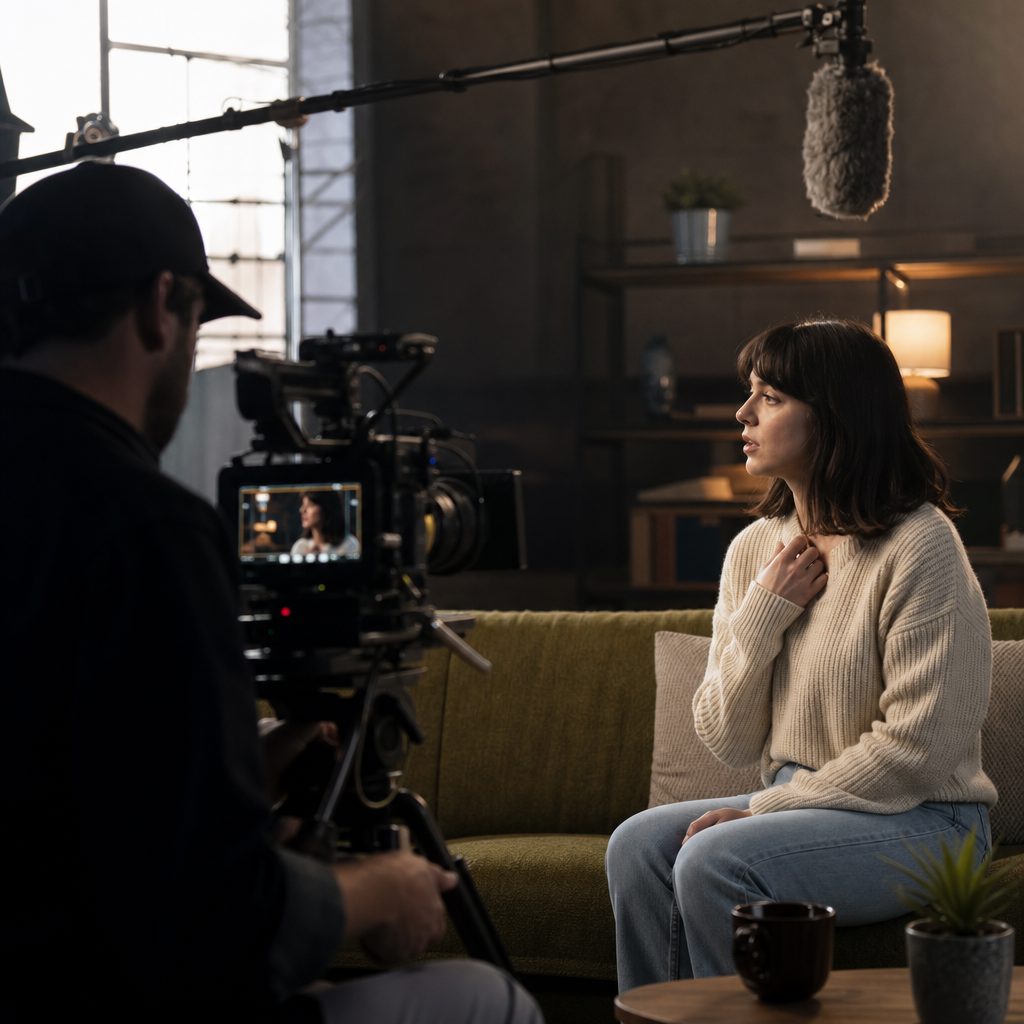
Production choices that shape the story
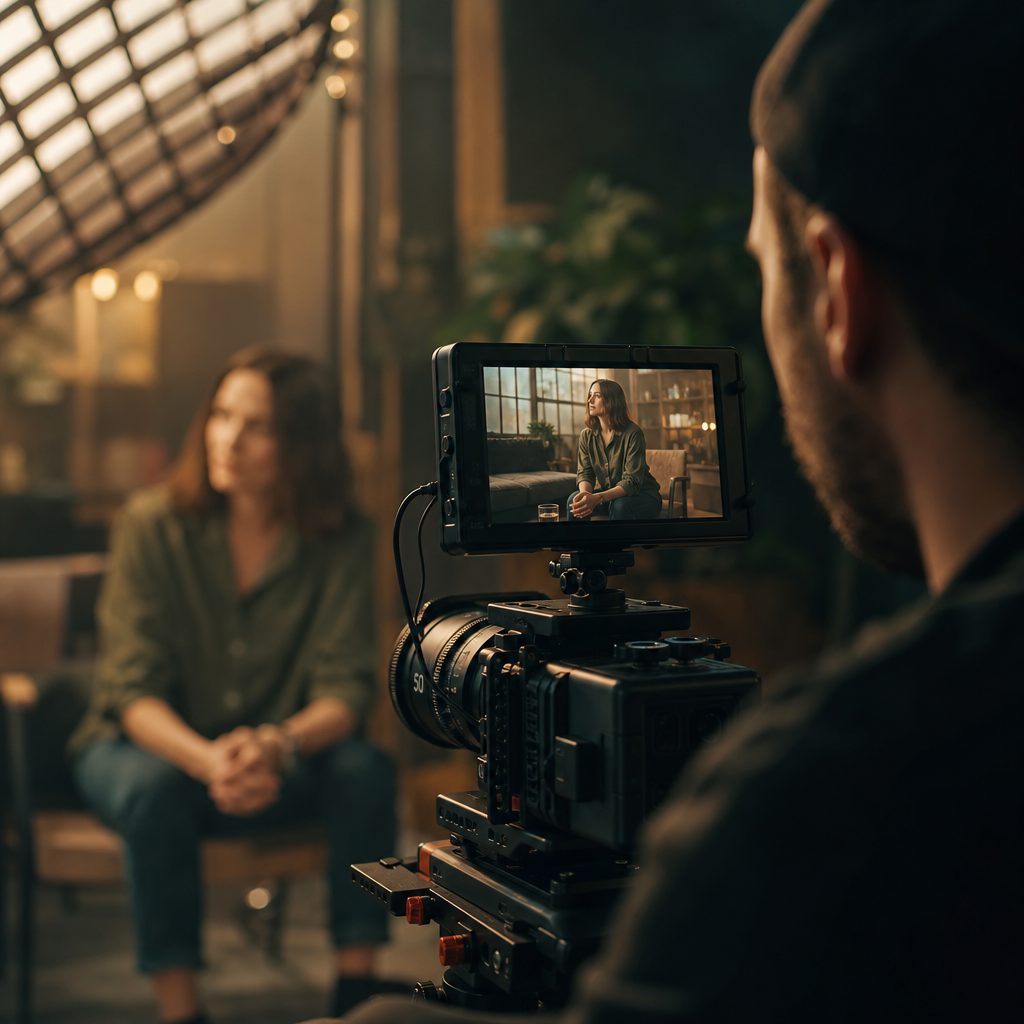
Storytelling is not only writing. Lens choice, lighting, interview style, location sound, music, pacing, graphics and colour grade all affect meaning. A handheld documentary approach can feel immediate and honest. A controlled studio interview can feel authoritative. Drone footage can establish scale, but it should add context rather than act as decoration.
Common mistakes to avoid
- Starting with a logo instead of a reason to care.
- Using broad claims such as innovative, passionate or trusted without proof.
- Filming too many interviews, then discovering no one owns the central message.
- Choosing music that overwhelms dialogue or feels inconsistent with the organisation.
- Treating captions, accessibility and cutdowns as afterthoughts.
Good planning does not remove spontaneity; it creates room for it. The best unscripted moments often appear because the crew has already clarified the story, arranged the right setting and allowed enough time for genuine answers.
How to compare video production providers
When comparing providers, look beyond showreels. A showreel demonstrates visual quality, but it may not reveal strategic thinking, stakeholder management or the ability to handle sensitive environments. Ask how the team develops narratives, manages approvals, prepares interviewees, protects safety and adapts when locations or people change.
Review previous work in the projects and portfolio section, then compare scope against video production pricing in Australia so you understand what drives cost: crew size, filming days, locations, scripting, animation, talent, licensing, editing complexity and deliverables.
When video may not be the right answer
Video is powerful, but it is not always the first investment to make. If the brand strategy is unresolved, the offer is unclear or stakeholders disagree on the message, production can expose the confusion rather than fix it. In those cases, start with positioning, messaging and internal alignment.
Likewise, a low-budget social clip may be enough for a simple announcement, while a high-stakes brand story may need research, scripting, producer oversight and multiple stakeholder reviews. The right approach balances ambition with risk, budget and audience expectations.
Build a brand story people understand
Visionair Media provides corporate video production and drone filming from Sydney, with offices in Melbourne, Brisbane, Canberra and Auckland. To plan a brand storytelling video with purpose, scope and credible production values, request a quote and outline your audience, objectives, locations and timing early.
About The Author
