
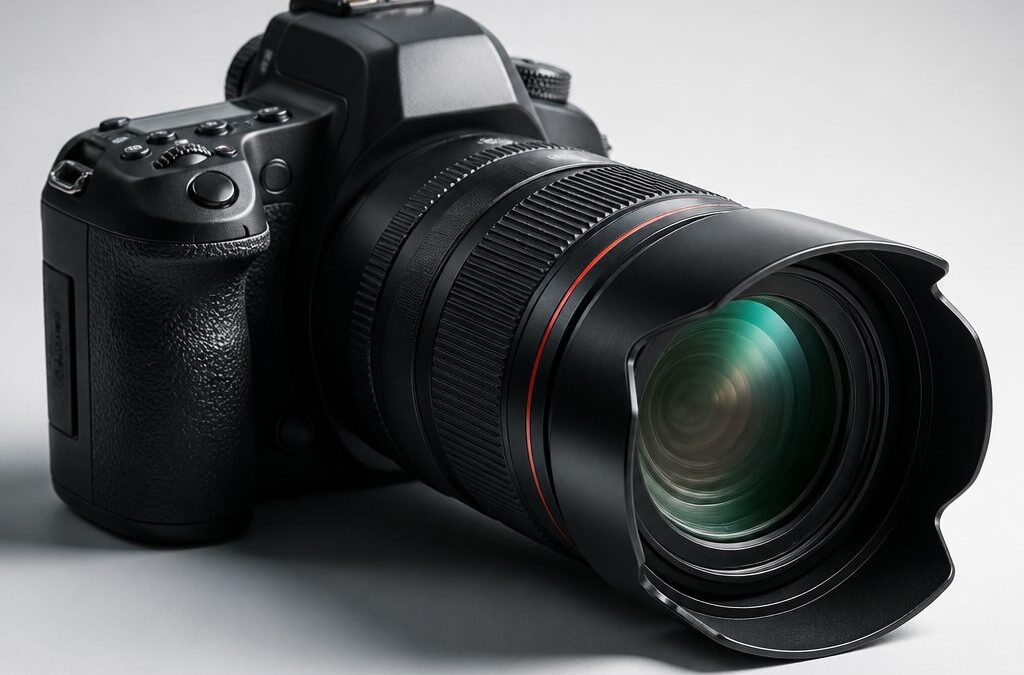
Professional photography makes your brand more credible
Professional commercial photography strengthens your brand image by making every public touchpoint look credible, consistent and purposeful. It translates your organisation’s values, people, products and capabilities into images that customers, employees and stakeholders can understand quickly. Unlike casual snapshots or mismatched stock imagery, professionally planned photographs use lighting, composition, styling and post-production to communicate a recognisable visual identity. The result is not simply “better pictures”; it is a reusable brand asset library that supports websites, campaigns, proposals, reports and media communications while presenting the business consistently across channels.
The strongest business case appears when photography is commissioned around clear communication goals. A polished portrait may build trust in a professional services team; accurate process imagery can explain industrial capability; and considered architectural photographs can show the scale, safety and character of a workplace. Visionair Media’s commercial photography services cover this planning and production process for corporate, government, infrastructure, health, education, agriculture and professional services settings.
Why image quality changes brand perception
People often judge presentation before they examine detail. Exposure, colour, perspective and background control therefore influence whether an organisation appears attentive, capable and established. Professional quality is particularly important where the subject is difficult: reflective machinery, mixed office lighting, busy worksites, large groups or executives with limited time.
A commercial photographer does more than operate a camera. They assess how the audience should feel, determine what must remain factually accurate, shape available light, direct people without making them look forced, and anticipate formats required by designers. That judgement helps prevent visual distractions from becoming unintended messages about the brand.
“Good commercial photography does not decorate a brand; it makes the brand easier to recognise and believe.”
The practical ways photography builds a stronger identity
Consistency across every channel
A brand can feel fragmented when its homepage uses warm lifestyle images, its annual report uses harsh flash photographs and its recruitment material relies on generic stock. A planned shoot establishes shared decisions about colour, contrast, framing, backgrounds, wardrobe and expressions. The resulting files can be adapted for digital and print use without losing the same visual character.
Authenticity without sacrificing polish
Audiences can recognise images that have little connection to the organisation they represent. Photographing actual teams, environments and processes supplies specific evidence, but authenticity does not mean leaving everything uncontrolled. Tidying a location, planning safe camera positions and giving simple direction allows real activity to look clear rather than staged. Written consent and location permissions should be obtained where required.
A versatile library, not one campaign
Commercial photography creates more value when the shot list anticipates future uses. Alongside key horizontal images, capture vertical crops, environmental details, negative space for headlines and both wide and close perspectives. A central, well-labelled library then helps teams avoid repeatedly commissioning similar work or choosing inconsistent substitutes under deadline pressure.
Planning a commercial photography project
Strong outcomes begin with a brief, not a camera booking. Define the audience, intended response, priority messages and channels before discussing individual shots. Supply current brand guidelines and examples of existing material that should match. A mood board is useful, provided it guides the visual language rather than encouraging imitation.
What to settle before shoot day
- Confirm locations, access times, parking, inductions and site safety requirements.
- Choose participants, obtain permissions, advise wardrobe expectations and allow preparation time.
- Build a prioritised shot list, while leaving room for useful unscripted moments.
- Specify final dimensions, file types, retouching level, naming conventions and delivery deadlines.
For a Sydney-based assignment, a commercial photographer in Sydney may simplify location scouting and logistics. National organisations should also compare whether a provider can maintain the same creative direction across offices. Visionair Media is headquartered in Sydney, with offices in Melbourne, Brisbane, Canberra and Auckland, which can support coordinated requirements without pretending every location or shoot is identical.
Selecting the right commercial photographer
Portfolios matter, but attractive images alone do not demonstrate suitability. Compare providers using evidence that relates to your environment, stakeholders and production risk. Review complete project sets where possible, because a small selection of hero frames may not show whether quality remains consistent across a full brief. Visionair Media’s projects portfolio provides examples of its broader production work.
Questions worth asking
- How will you translate our brand guidelines into a photographic approach?
- How do you manage approvals, talent direction, safety and sensitive locations?
- What is included in pre-production, shooting, retouching and file delivery?
- What usage licence applies, and are third-party costs clearly identified?
- Can you supply appropriately sized files and preserve colour consistency for print?
- Who retains backups, for how long, and how are files transferred securely?
Clear estimates should distinguish creative planning, crew, equipment, travel, location fees, talent, editing and licensing. The cheapest quote may omit work that becomes essential later; the largest crew may be unnecessary for straightforward portraits. Choose the scale that fits the brief, rather than assuming more equipment automatically means stronger images. Visionair Media’s production FAQ can help clarify general engagement and delivery considerations.
Where professional photography has limits
Photography cannot repair unclear positioning, poor service or an inconsistent customer experience. It can only present what exists with greater focus. Heavy retouching also carries risk: removing permanent site features, changing product colours or altering people excessively may undermine accuracy and trust. Agree on acceptable corrections before editing begins, especially for government, infrastructure, health or technical communications.
One shoot is not always the right answer. Frequently changing products may need a repeatable studio workflow, while organisations undergoing a rebrand should finalise core identity decisions first. If movement, sound or explanation carries the message better, video production may be more appropriate. Elevated site context can sometimes justify drone and aerial photography, subject to access, weather, privacy and operational constraints.
“The strongest medium is the one that serves the message, not the one chosen by habit.”
Making the investment work harder
Before production, audit every place images appear: website pages, capability statements, tenders, social channels, presentations, recruitment platforms, internal communications, signage and media kits. This exposes gaps and helps one setup deliver several useful variations. Coordinate photography with planned interviews or corporate video production where schedules, locations and participants overlap, but confirm that adding formats will not compromise either crew’s time or attention.
After delivery, store masters separately from web-ready copies and record usage terms, consent details, subject names, locations and dates. Give internal users a short guide showing preferred crops and images that are unsuitable for particular contexts. Review the library periodically: leadership, uniforms, premises, packaging and safety practices change, and outdated photography can weaken the credibility it originally created.
A stronger brand starts with a clearer brief
Professional commercial photography strengthens brand image when it combines strategic planning, truthful representation and disciplined craft. It helps audiences recognise the organisation, gives teams consistent assets and makes important details easier to understand. Its value depends on a specific brief, realistic production choices, appropriate permissions and thoughtful library management—not polish in isolation.
What should a first brief include?
Start with the audience, message, channels, locations, subjects, timing and required outputs. Add brand guidelines, practical constraints and examples of imagery that feels appropriate. A photographer can then challenge assumptions, identify missing shots and propose a production approach proportionate to the task.
If you are planning a new image library, prepare that outline and request a photography quote. A useful initial conversation should test scope, timing, access and intended usage before anyone confirms a shoot date.
That preparation gives both sides a sound basis for comparing options, controlling costs and creating photographs that remain useful well beyond the launch of a single campaign or report.
About The Author
