
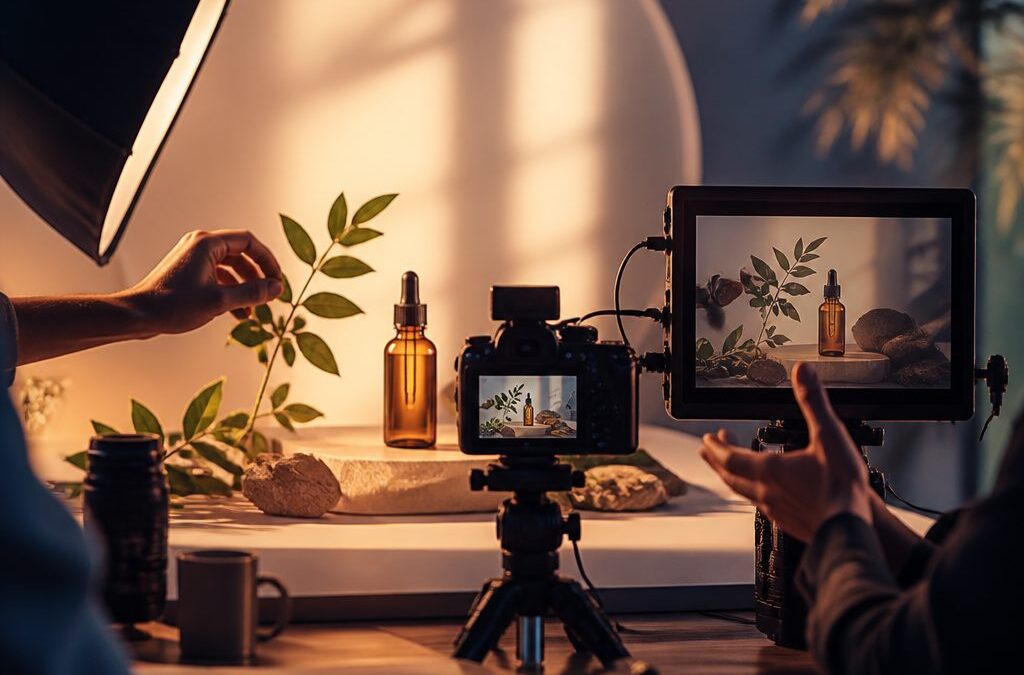
Why product video production matters
Product video production helps buyers understand an item quickly, see it in realistic use, and feel more confident about taking the next step. It can demonstrate features that static images or copy struggle to explain, reduce uncertainty before purchase, and supply versatile content for websites, sales teams, social channels and advertising.
Its value does not come from motion alone. A useful product video combines a clear audience insight, an accurate message, appropriate production quality and a planned distribution strategy. When those elements align, video can make a complex offer easier to evaluate while presenting the product consistently wherever customers encounter it.
The main business benefits of product video
Different formats solve different problems. A overview can introduce the range, whereas a detailed demonstration may support technical evaluation. The strongest benefit depends on the buyer’s question and the decision the video must help them make.
Faster product understanding
Showing size, controls, assembly and operation can replace several paragraphs of explanation. Viewers gain context quickly, especially when the product has moving parts, a process or an unfamiliar application.
Greater buyer confidence
Close-ups, demonstrations and honest commentary help buyers inspect relevant details before speaking with sales. Video cannot remove every objection, but it can answer predictable questions and establish realistic expectations.
Consistent sales communication
A well-planned film gives representatives, distributors and partners an approved explanation of the product. This reduces reliance on improvised presentations and helps teams emphasise the same benefits, evidence and limitations.
Reusable marketing assets
One production can generate a main film, short edits, vertical clips, still frames and silent versions with captions. Planning these outputs before filming is usually more efficient than treating each channel as a separate job.

Where product videos create practical value
Product video is especially useful when seeing is central to believing. Manufacturers can show machinery operating, software providers can record a guided workflow, and consumer brands can demonstrate setup, texture or fit. For business-to-business sales, a film may give technical stakeholders a common reference before a site visit or formal presentation.
The same master footage can support ecommerce pages, launches, exhibitions, proposals, onboarding and customer service. However, each placement needs an appropriate opening, duration, aspect ratio and call to action. A widescreen website film rarely performs optimally when simply cropped for every social platform.
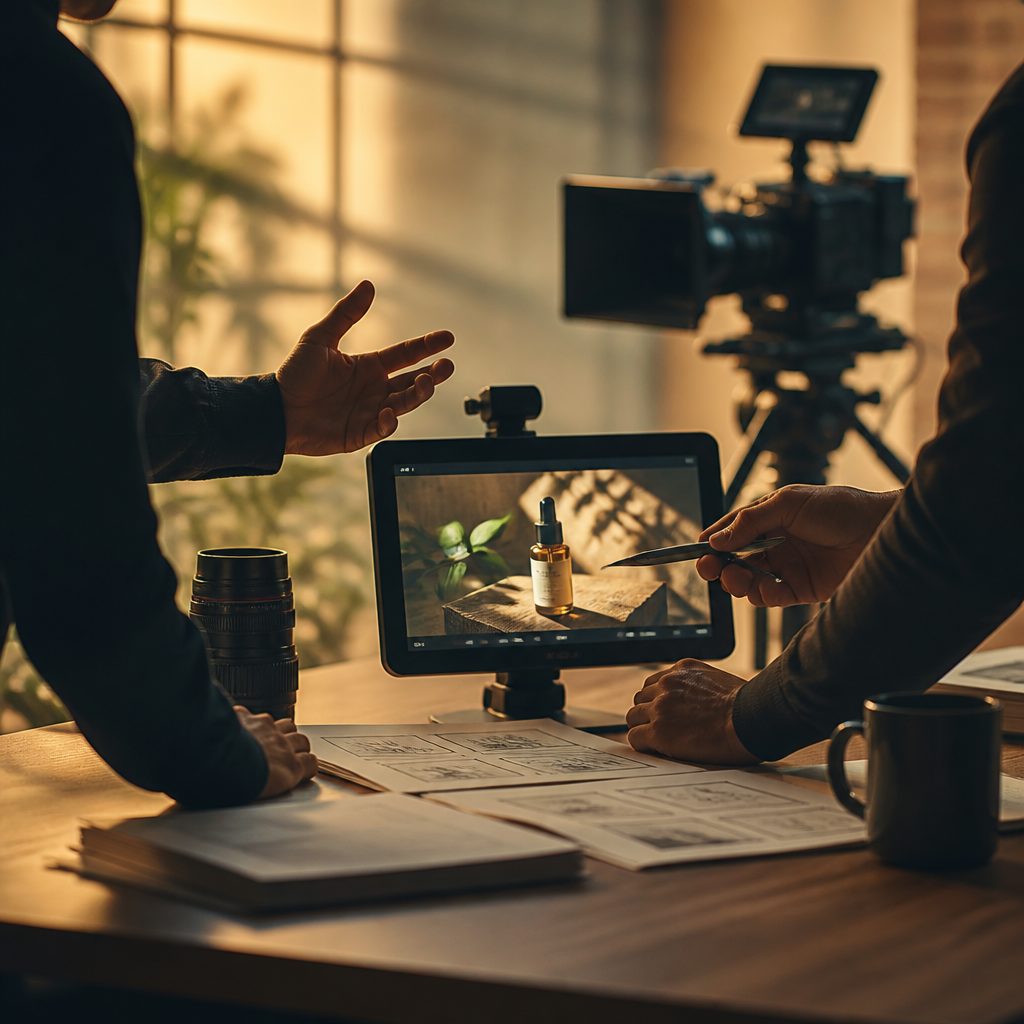
What makes a product video effective?
Start with one primary audience and one desired action. A procurement manager may need specifications, integration and risk information, while an end user may need simplicity, comfort and results. Trying to satisfy everyone in one edit often produces a long, unfocused film. Define the buyer’s knowledge, objections, viewing context and next step before scripting.
Pre-production decisions
- Choose the specific product, variant and claims that can be shown accurately.
- Write for spoken delivery and visuals, not as a brochure read aloud.
- Prepare locations, talent, prototypes, packaging, permissions and safety controls.
- Plan macro details, wide context, demonstrations, graphics and clean product audio.
- Confirm deliverables, captioning, music licensing, review stages and product release dates.
For productions requiring a coordinated crew, professional lighting, sound, motion graphics and post-production, explore Visionair Media’s video production services. Early scoping also helps determine whether studio filming, a working site, animation or a hybrid approach is appropriate.
Accessibility and accuracy
Captions make videos useful in silent viewing environments and support broader access. On-screen text must remain legible on small screens, and demonstrations should match the product customers will receive. Avoid unsupported superlatives, unapproved claims or shots that imply capabilities the product does not have.
Measuring value without overstating results
Success should be tied to the video’s job. Useful measures may include product-page engagement, completed views, qualified enquiries, assisted conversions, sales-team usage or fewer repeated questions. Compare performance by channel and audience, and record a baseline where possible. Views alone reveal little if the intended buyers do not understand or act.
Realistic limitations
Video is not a remedy for weak product-market fit, unclear pricing, poor distribution or an unreliable offer. High production value can attract attention, but it cannot substitute for evidence. It may also be unsuitable when a product is changing imminently, confidentiality prevents meaningful demonstration or the audience prefers searchable technical documentation.
Budgets involve trade-offs. More locations, talent, products, animation and deliverable versions increase preparation, filming and editing. A focused demonstration can outperform a glossy brand piece when buyers mainly need clarity. Reviewing transparent video production pricing considerations can help align scope with purpose before creative work begins.
How to compare product video production providers
Compare suppliers on thinking, process and relevant execution, not showreel polish alone. Ask how they translate product knowledge into a brief, manage approvals, protect accuracy and prepare content for different channels. A credible proposal should explain assumptions, exclusions, timelines and revision limits.
Review a provider’s projects and portfolio for consistency across real assignments rather than judging one highlight reel. If your team is Sydney-based, comparing local video production capability may also clarify travel, studio access and scheduling. Ask who will attend the shoot, who owns project communication and how product specialists contribute during reviews.
Visionair Media is an Australian corporate video production and commercial photography company headquartered in Sydney, with offices in Melbourne, Brisbane, Canberra and Auckland. Its work spans government departments, major corporate organisations, infrastructure and commercial clients, with related capabilities including drone filming, photography and live streaming.
Choosing the right product video format
The format should follow the sales task. An overview film introduces the range; a demonstration explains operation; an installation video supports customers; and a testimonial adds a user perspective. For complex purchases, case study videos can show the product within a broader problem, implementation and outcome narrative without turning the piece into a feature list.
A practical briefing sequence
- State the audience, business objective and single action required after viewing.
- List the three most important product questions the film must answer.
- Separate demonstrable facts from claims requiring evidence, qualification or approval.
- Map the main edit and cut-downs to specific channels and campaign stages.
- Set reviewers, deadlines and final authority before the first script is written.
For paid distribution, the advertising and video production guide provides useful context on connecting creative decisions with campaign planning. Keep the brief concise, but make technical reference material available to the production team.
Before you commission a product video
Confirm that the product is ready, available and visually representative of what customers will receive. Gather approved specifications, brand assets, packaging, subject-matter experts and likely buyer questions. Decide where the film will appear and how long it should remain accurate. These checks prevent avoidable reshoots and make creative discussions more productive.
Turn product detail into useful video
The most valuable product videos give buyers clear evidence, answer genuine questions and fit the channels where decisions happen. Visionair Media can help scope filming, photography and supporting edits around your audience, product readiness, approvals and distribution plan. Begin with the product, required deliverables, locations and timing so the team can recommend a practical production approach and an appropriate budget range.
Request a tailored quote for your product video production project
About The Author
