

What to expect from corporate video production
A professional corporate video production should follow a structured process: discovery, briefing, creative development, pre-production, filming, post-production, review and delivery. You should expect clear responsibilities, an agreed scope, realistic timelines, transparent costs and regular communication. The production company should also explain what it needs from your team, what is included, where uncertainty remains and how approvals affect the schedule. The result should be a purposeful video designed for a defined audience and channel, not simply attractive footage.
Corporate video can support brand communications, recruitment, training, stakeholder engagement, case studies and sales. However, one video rarely serves every purpose equally well. Early decisions about the viewer, message, distribution and desired action shape every later production choice.
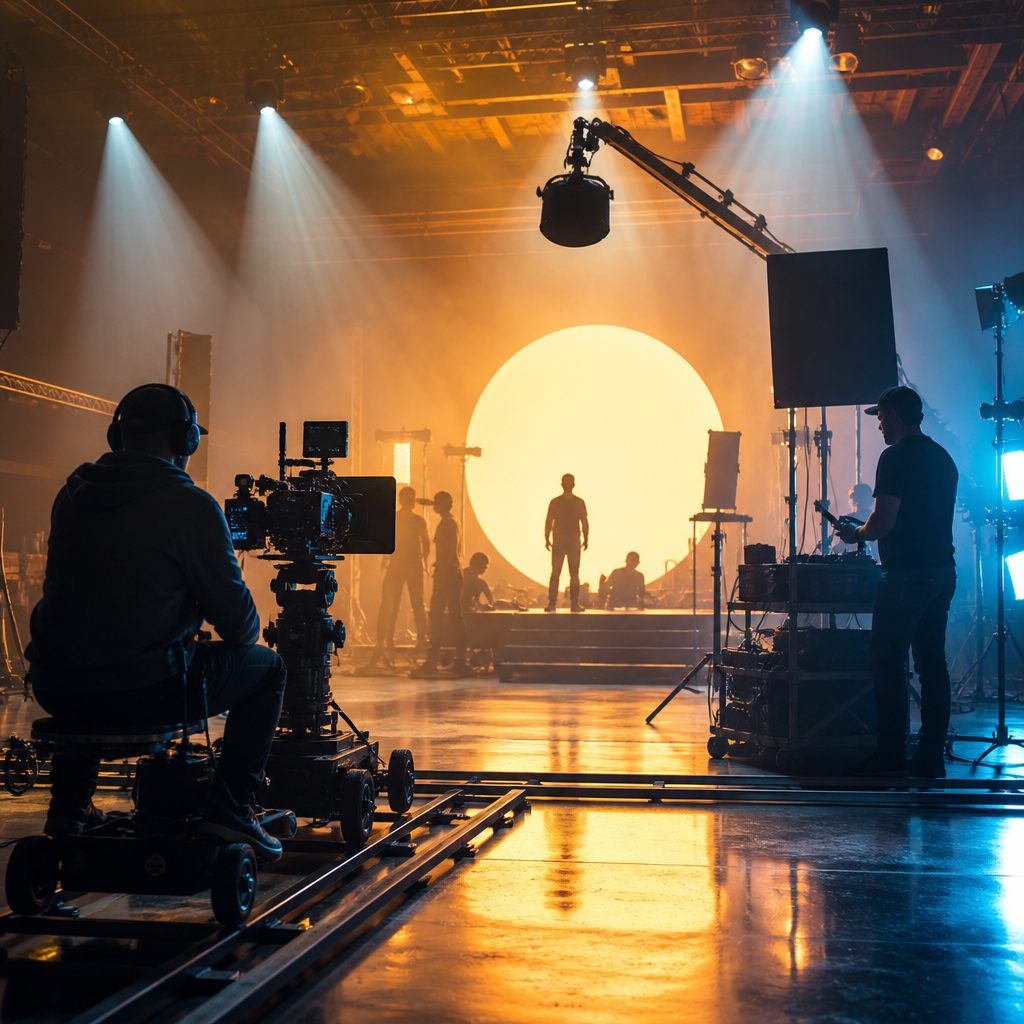
The corporate video production process
Although workflows vary, most professional productions move through the following stages. A straightforward interview video may compress them, while a campaign involving several locations, executives, animation or aerial filming requires more planning. Your producer should identify dependencies before dates are locked, particularly access, availability, legal review, safety inductions, branding requirements and stakeholder approvals. For an overview of available formats and production support, explore Visionair Media’s corporate video production services.
Discovery and brief
Discovery turns a broad request into a workable brief. Expect questions about the business problem, primary audience, key message, tone, call to action, viewing environment and measures of success. Useful inputs include brand guidelines, existing research, communications plans, mandatory wording and examples of content you like or dislike. A good brief also records exclusions, so assumptions do not quietly become deliverables.
Creative and pre-production
Once the brief is approved, the team develops the concept, treatment, script or interview framework. Pre-production then converts that idea into a practical shoot plan. This can include schedules, shot lists, locations, talent, releases, crew, equipment, wardrobe, props, accessibility considerations, risk controls and travel. A detailed plan reduces disruption but cannot eliminate weather, illness, operational changes or last-minute executive availability.
Filming, editing and delivery
On filming day, expect the crew to manage camera, lighting, sound, direction and continuity while respecting the agreed site rules. Your representative may need to confirm messaging, facilitate access and approve sensitive details. After filming, editors assemble the story, balance audio, apply colour treatment, add graphics and source licensed music where required. Review links usually follow before final files are exported for agreed platforms, aspect ratios, resolutions, captions and file types.
Businesses planning content for employees can also review specialist internal communications video production options because privacy, leadership access and organisational change often require a different approach.
What should you expect for timing, cost and revisions?
Timing depends on complexity rather than finished duration. A sixty-second film can take longer than a five-minute interview if it needs multiple locations, actors, animation, extensive approvals or specialised access. Ask for a schedule showing client inputs, decision points, shoot dates, review rounds and delivery milestones. Build contingency around immovable launch dates.
Pricing should reflect the agreed resources and deliverables, not an unexplained single figure. Typical variables include planning days, crew size, equipment, travel, location fees, talent, animation, music, captioning, editing, versions and usage rights. Compare quotes against the same brief and check assumptions, exclusions, taxes, cancellation terms and overtime. The video production pricing guide explains common cost drivers without pretending every project fits a fixed package.
A quote should state how many review rounds are included, what constitutes a revision and what triggers additional fees. Feedback should be specific, time-coded and reconciled internally. Requests that alter the approved concept are usually scope changes rather than ordinary revisions.
What your organisation must provide
Production is collaborative. The client normally supplies timely access, accurate information, brand assets, subject-matter experts and authorised approvers. You may also arrange locations, staff participation, internal notices, security clearance, inductions and consent. The producer should clarify which party handles each task. Government, infrastructure, health and education environments may add privacy, safety or operational constraints that must be disclosed early.
Prepare contributors
Most employees are not trained presenters. Give interviewees the purpose and broad topics rather than asking them to memorise polished paragraphs. Allow enough time and a quiet space. Honest, conversational answers often feel more credible than heavily scripted delivery. Senior leaders should protect their scheduled window because delays can affect crew, location and equipment bookings.
Keep approvals workable
Choose one project owner and a small approval group. Collect feedback in one document, distinguish factual corrections from preferences and resolve contradictions before sending notes to the editor. If legal or executive approval is necessary, involve those reviewers at the brief and script stages, not only after the edit is finished.

How to compare corporate video production companies
Evaluate providers on fit, process and evidence rather than showreels alone. A polished montage demonstrates image quality but may not reveal how the team manages complex stakeholders, restricted sites, accessibility or revisions. Review relevant work, such as Visionair Media’s projects and portfolio, then ask who would actually plan, film and edit your project.
Use these objective criteria:
- Briefing: Do they test the objective, audience, channel and call to action?
- Scope clarity: Are deliverables, versions, crew, equipment, travel, usage and exclusions documented?
- Project control: Is there a named producer, realistic schedule, approval pathway and change process?
- Capability: Can they show relevant examples and explain the decisions behind them?
- Risk management: Do they ask about access, safety, privacy, permissions, weather and contingency?
- Commercial terms: Are payment stages, cancellation, overtime, licensing, archive and revision conditions clear?
Location matters when local knowledge or reduced travel is valuable. For example, organisations commissioning professional video production in Sydney may benefit from a team familiar with metropolitan access and logistics, without assuming location is more important than capability. For proof-led storytelling, compare the provider’s approach to case study video production as well as its general portfolio.
Common mistakes, trade-offs and practical limitations
The most common mistake is beginning with a preferred visual style before defining the communication problem. Other risks include crowding one video with several audiences, underestimating internal approvals, choosing a spokesperson solely by seniority and commissioning a long master film without planning shorter, channel-specific versions.
Quality also involves trade-offs. More locations may add scale but increase travel, access and continuity risk. Animation can clarify an abstract idea but needs time for design and review. A tightly scripted piece offers message control, while interviews can sound more natural. Drone footage may provide context, but weather, airspace, site permissions and privacy can limit its use. Live streaming suits real-time participation yet carries greater connectivity and event-day risk than prerecorded video.
No production can guarantee audience attention, business results or trouble-free filming. A responsible provider should explain dependencies, propose alternatives and avoid promising outcomes beyond production control.
Plan your corporate video with confidence
Successful corporate video production starts with a clear objective, a brief and understanding of scope. Expect your provider to guide creative decisions, document logistics, manage the shoot, shape the edit and deliver suitable files. In return, prepare access, contributors, information and approvals. Compare suppliers by their process, evidence, communication, risk awareness and clarity, not price or polish alone. Visionair Media is an Australian corporate video production and commercial photography company headquartered in Sydney, with offices in Melbourne, Brisbane, Canberra and Auckland. Its team works across corporate, government, infrastructure and professional services environments, providing video, photography, drone and live streaming support. If you have a defined objective, audience and deadline, request a tailored quote to clarify the recommended approach, production requirements, timing and likely investment.
About The Author
