
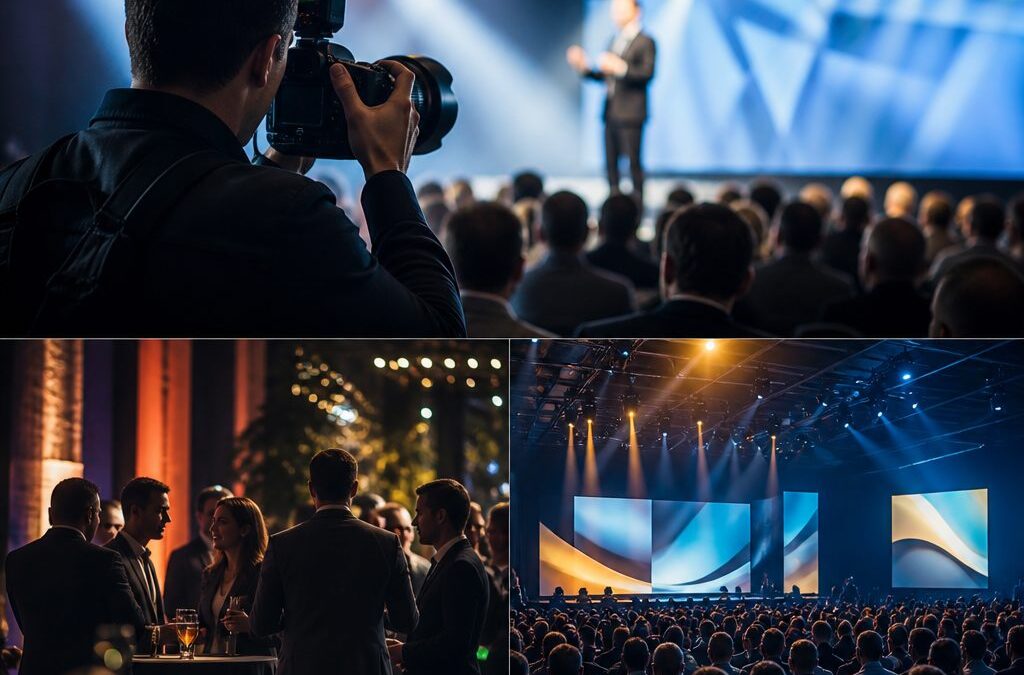
01 The business event photography brief
Effective business event photography starts with a clear brief, a realistic run sheet and a photographer who can work unobtrusively. The aim is to capture the people, atmosphere, branded details and decisive moments that communicate why the event mattered. For conferences, product launches and corporate functions, success depends less on taking hundreds of pictures than on securing a purposeful mix of wide scenes, speaker images, audience reactions, networking interactions and polished detail shots.
Before doors open, agree on intended uses, priority people, mandatory moments, access restrictions, delivery timing and image orientation. That preparation gives the photographer a practical shot hierarchy while leaving enough flexibility for genuine interactions. Businesses seeking a complete stills service can review Visionair Media’s commercial photography services, which cover planning, capture and post-production for corporate applications.
02 Plan coverage around the event type
Different formats create different photographic priorities. A useful brief explains not only what is happening, but also what the business needs to say afterwards.
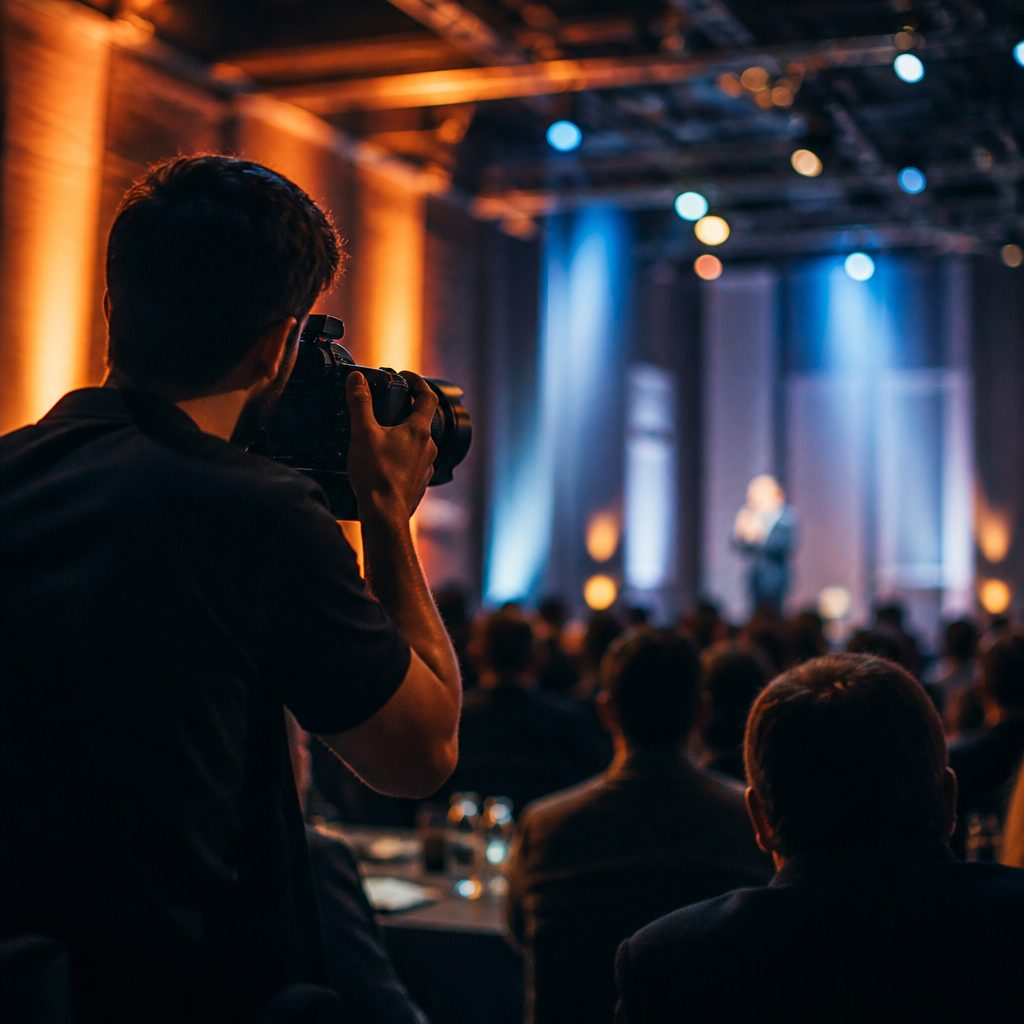
Conferences and seminars
Prioritise establishing views of the room, signage, keynote speakers, panel discussions, delegates listening, questions from the floor and natural networking. Obtain the agenda and speaker list, then identify sessions that cannot be recreated. Quiet shutters, careful movement and sensible lens choices help the photographer work without distracting presenters or blocking attendees.
Product and brand launches
A launch requires a clear reveal sequence: anticipation, the unveiling, executive or ambassador reactions, demonstrations, customer engagement and clean images of the product within its branded environment. Discuss lighting cues with the technical team. Dramatic stage light may look impressive to guests yet produce difficult skin tones, deep shadows or rapidly changing exposures.
Corporate functions and awards
Balance formal records with candid storytelling. Photograph room styling, arrivals, table groups, speeches, presentations, award recipients and social interactions, while checking whether any guests prefer not to be photographed. For grip-and-grin presentations, mark a standing position and allow a brief pause so each recipient faces the camera.
03 Build a shot list that serves real business needs
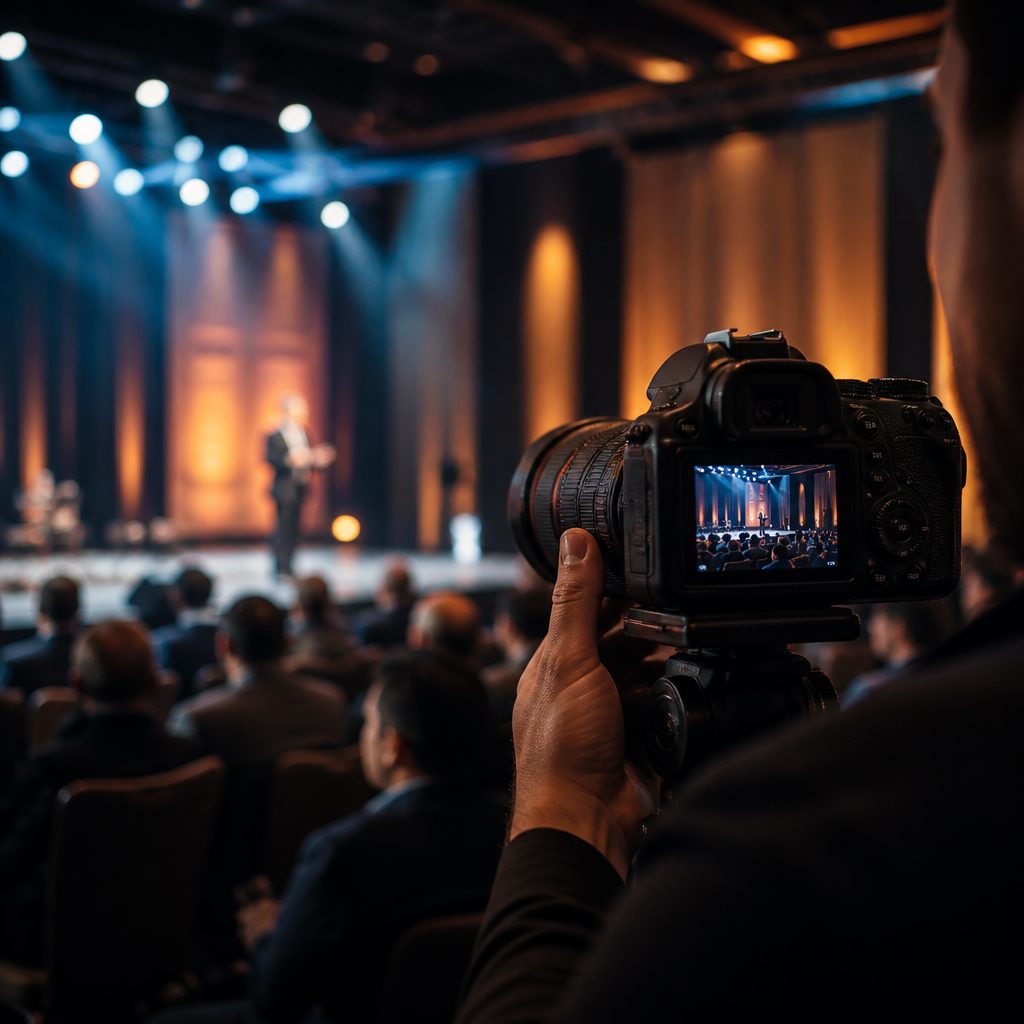
Start with the channels where images will appear: media releases, LinkedIn, internal communications, annual reports, recruitment material, event recaps or future promotions. Each channel affects framing. A website banner needs horizontal space for copy; social posts may need vertical crops; a media release needs identifiable people, accurate captions and a clear newsworthy moment.
Assign priorities rather than requesting every possible combination. Mark items as essential, desirable or optional, and nominate a decision-maker who can resolve changes on the day. If executives have only a short availability window, schedule their portraits or group photographs rather than hoping everyone appears together.
For events in New South Wales, a team familiar with commercial photography in Sydney can also anticipate venue access, travel and scheduling considerations without assuming that every location operates the same way.
04 Manage light, access and people professionally
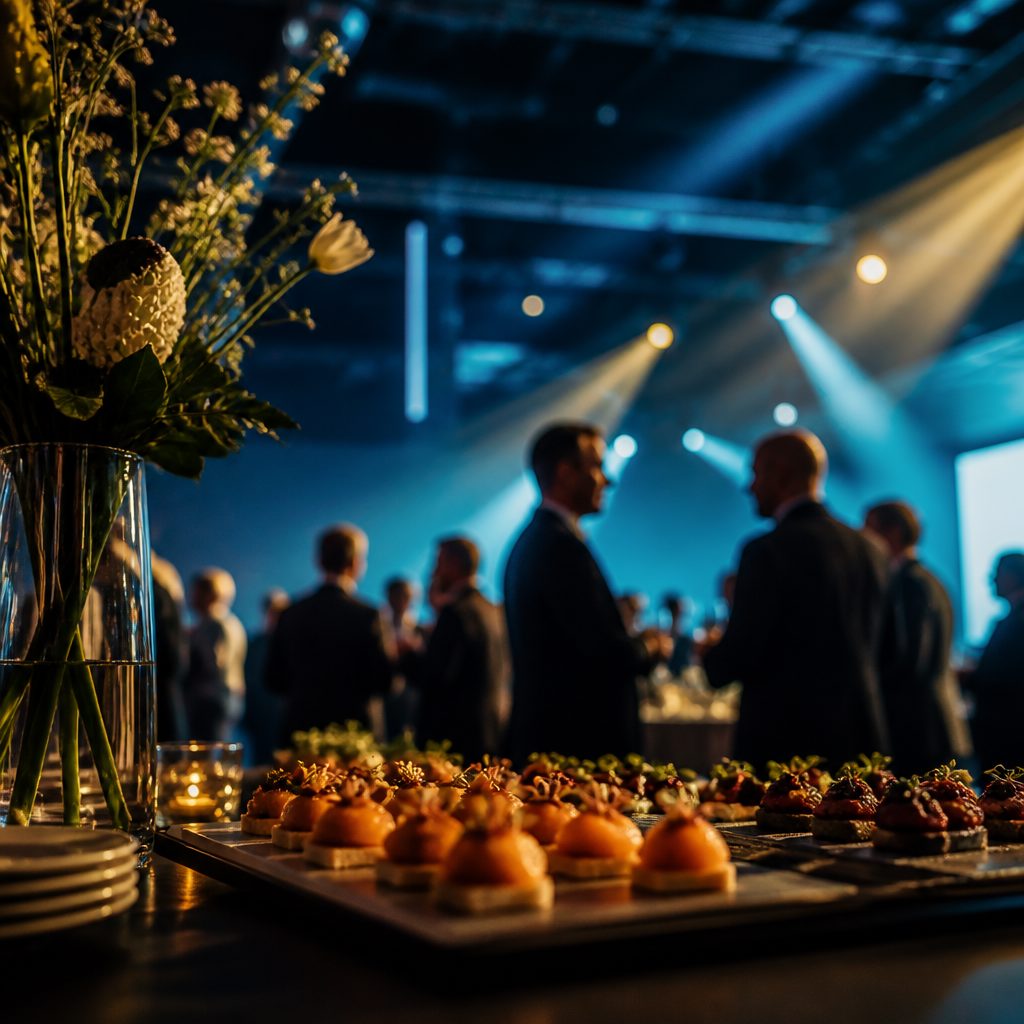
Corporate venues are rarely designed for photography. Mixed colour temperatures, projection screens, dark stages, reflective walls and low ceilings can limit options. A capable photographer will test exposure and white balance, carry backup equipment and use flash selectively. Flash may be unsuitable during presentations, culturally sensitive moments or performances, so expectations should be agreed with organisers and venue staff.
Permissions and privacy
Event registration terms do not automatically resolve every privacy or reputational concern. Tell attendees when photography is occurring, provide a practical opt-out process and brief the photographer about restricted people or areas. For children, health settings, confidential demonstrations or security-sensitive sites, obtain appropriate advice and explicit permissions before capture or publication.
Working with video and live production
When stills, video and audio crews share a room, positions and movement need coordination. The photographer should know where cameras, microphones, cables and sightlines are located. If the event also uses live streaming services, agree on no-go zones and quiet periods so stills coverage does not compromise the broadcast.
05 Protect quality after the event
Capture is only half the job. Post-production should correct exposure, colour and cropping while preserving a credible record of the occasion. Over-smoothing skin, removing important context or heavily altering branded colours can make images less useful. Ask what level of retouching is included and whether urgent selects can be delivered before the full gallery.
Delivery requirements should cover resolution, file format, colour space, naming, captions, usage rights, storage period and gallery access. Clarify whether licences cover media, paid advertising, third-party partners and future campaigns. Copyright and licensing arrangements vary, so record the agreed terms in writing rather than relying on assumptions.
A practical delivery sequence
- During the event: transfer and edit a small set for time-sensitive communications.
- Next agreed milestone: deliver curated, colour-corrected selects with accurate filenames and metadata.
- Final handover: provide the complete approved gallery, licence details and any archive arrangements.
A portfolio of completed projects is useful for judging consistency across people, places and production conditions, not simply the strength of one hero image.
06 How to compare event photography providers
Compare providers on evidence and process rather than price alone. The cheapest quote may exclude planning, assistants, rapid edits, travel, licensing or adequate backup, while the largest crew may be unnecessary for a contained function.
Relevant portfolio
Look for complete event galleries or varied examples, including difficult rooms, candid interactions, stage lighting and group presentations. Consistency matters more than a handful of dramatic photographs.
Planning and communication
Ask who develops the brief, attends pre-production calls and manages venue coordination. Confirm the actual photographer, their arrival time and the escalation contact.
Technical resilience
Check backup cameras, lenses, lighting, batteries, cards and file-handling practices. For critical events, ask how illness, equipment failure or simultaneous moments would be managed.
Clear commercial terms
Request an itemised scope covering hours, overtime, editing, turnaround, image volume, usage, travel, cancellation and archive policy. Compare like with like and question vague promises.
Visionair Media is an Australian corporate video production and commercial photography company headquartered in Sydney, with offices in Melbourne, Brisbane, Canberra and Auckland. Its work spans government departments, major corporate organisations, infrastructure and commercial clients; prospective buyers can still assess fit objectively against the criteria above.
07 Common questions and next steps
How many photographers does a corporate event need?
One photographer can often cover a straightforward program in a single space. Multiple photographers become useful when sessions overlap, the venue has separate areas, VIP portraits run concurrently or the brief requires immediate editing. Crew size should follow the schedule and shot priorities, not guest numbers alone.
When should a photographer be booked?
Book once the date, venue and broad program are confirmed, particularly for large conferences or fixed launch dates. Early engagement allows time for access approvals, brief development and coordination with production suppliers. Late bookings can work, but may reduce crew choice and planning time.
Plan event photography around your business goals
Strong event images come from clear priorities, professional access and disciplined delivery. Review relevant experience, define the required outputs and request a scope that reflects the event’s genuine complexity. Planning protects coverage quality and lasting commercial value.
About The Author
