

Start with the outcome, not the camera
A practical corporate video budget starts by defining the business outcome, audience, message, usage and approval process, then matching the production approach to that brief. In Australia, costs vary because crew size, filming days, locations, talent, animation, editing rounds, travel, music licensing and delivery formats all change the workload. The simplest way to budget is to separate must-have production requirements from nice-to-have creative extras, allow a contingency, and ask providers to quote against the same written scope.
If you are planning a brand film, stakeholder update, recruitment piece or product explainer, a clear scope will usually save more money than negotiating day rates after the fact. Visionair Media’s video production pricing in Australia guide is a useful starting point for understanding how scope affects cost before you request formal estimates.

What drives the cost of a corporate video?
Most video quotes are built from labour, time and complexity. A single interview with light editing is very different from a multi-location campaign with scripted scenes, drone footage, professional voiceover and several cut-downs for social media. When you understand the main cost drivers, you can decide where investment will improve the finished result and where a leaner approach is sensible.
Pre-production and planning
Pre-production includes brief development, scripting, shot lists, schedules, risk planning, location coordination, permits where required, talent arrangements and stakeholder approvals. It is often underestimated because it happens before filming, yet it protects the production day. For complex organisations, paying for proper planning can reduce delays, reshoots and confusion.
Production days and crew
Crew size should match the job. A small crew may suit interviews and office b-roll, while larger productions may need a director, producer, cinematographer, sound recordist, gaffer, makeup artist or drone operator. More people are not automatically better; the question is whether each role improves quality, safety or efficiency.
Post-production and revisions
Editing is where the story takes shape. Budget for reviewing rushes, assembling the cut, colour grading, audio mix, captions, motion graphics, licensed music and exports. Also clarify how many revision rounds are included, who has authority to approve changes and whether late stakeholder feedback may trigger extra fees.

Build your budget from a written scope
A vague request such as “we need a two-minute corporate video” is difficult to price accurately. A useful scope explains the purpose, audience, key messages, locations, interviewees, filming dates, deliverables, approval pathway and any internal brand or accessibility requirements. If you are unsure, ask production companies to recommend options at different investment levels.
For example, a budget-conscious internal update may use one filming day, two interviews, existing locations and a simple edit. A higher-profile launch video may require scripting, talent, art direction, several locations, animation, photography and multiple campaign versions. Both can be valid; they simply solve different problems.
If the project needs interviews, brand storytelling or explainers, start with Visionair Media’s corporate video production services to see the types of work typically considered within a corporate brief. Sydney-based organisations can also review professional video production in Sydney when location logistics, studios or local crew availability matter.
A simple budgeting framework
- Define the commercial objective and where the video will be used.
- List non-negotiables, such as filming date, location access or required speakers.
- Choose deliverables: main film, social edits, captions, thumbnails or stills.
- Allocate contingency for weather, travel, overtime or late changes.
- Compare quotes against the same scope, not just the final number.
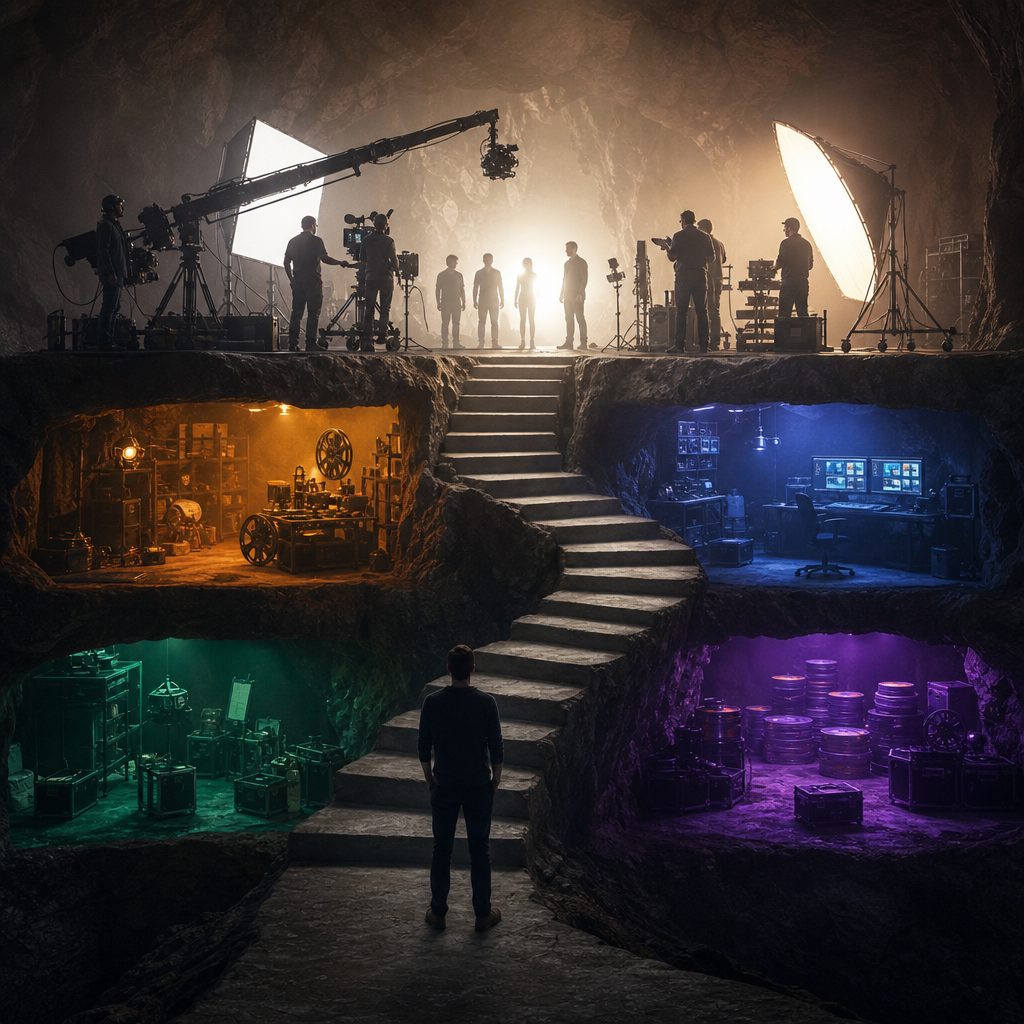
Typical trade-offs when budgets are tight
Budget pressure is normal, especially when several departments are contributing to one project. The goal is not to strip the production back until it fails, but to protect the elements that matter most to the audience.
Reduce locations before reducing sound quality
Travel time and setup changes quickly affect the budget. Poor audio, however, can make an otherwise polished corporate video feel unprofessional.
Use fewer deliverables, then repurpose later
If funds are limited, prioritise the master edit and essential cut-downs. Extra versions can often be added when campaign needs become clearer.
Simplify creative, not compliance
Safety inductions, permits, releases and access requirements should remain in scope. Cutting corners here can create delays or unusable footage.
For projects involving internal announcements, change programs or executive messaging, a focused internal communications video production approach may deliver more value than a broad brand film. If your audience is employees, design the format around clarity, trust and accessibility before adding cinematic embellishments.

How to compare video production providers
Do not compare quotes by total price alone. A lower quote may exclude pre-production, sound, lighting, insurance, travel, music, captions or revision time. A higher quote may include producer support, stronger planning and more deliverables. Ask each provider to explain assumptions, exclusions and what happens if the brief changes.
Review relevant work, not only showreels. Look for projects with similar audiences, locations, interview styles or compliance constraints. Visionair Media’s projects and portfolio page can help buyers assess production style and capability across corporate, government, infrastructure, education, health, agriculture and professional services contexts without relying on unsupported claims.
Questions to ask before approving a quote
- Who will manage the schedule, approvals and stakeholder communication?
- What crew and equipment are included, and what is optional?
- How many edit rounds are included in the price?
- Are licences, captions, file formats and usage rights covered?
- What risks could affect timing, cost or the final result?
If the video is designed to prove a process, outcome or customer story, consider whether a dedicated case study video production approach is more appropriate than a general corporate overview.
Allow for risks, limitations and approvals
Corporate environments often involve access restrictions, privacy requirements, weather exposure, site inductions, executive diaries and multiple approval layers. These factors do not make a project impossible, but they should be reflected in budget and schedule. Build in contingency, confirm decision-makers early and avoid filming before the message is approved.
For complex campaigns, the advertising and video production guide can help you think through briefing, creative direction and production planning before committing funds.
Summary
A strong corporate video budget is a scoped plan, not a guess. Define the outcome, protect planning and audio, choose deliverables carefully, compare providers on inclusions and relevant experience, then leave room for approvals, access issues and sensible onsite contingency before filming begins.
Ready to plan your budget?
Share your brief, goals and likely deliverables with Visionair Media to receive a practical production estimate.
About The Author
