
The short answer
Choose customer testimonial videos when you need credible, emotional proof from a satisfied client in a concise format. Choose case study videos when your buyer needs to understand the problem, your process, the implementation and the outcome. Many businesses need both: testimonials for trust building, case studies for complex sales conversations.
For most organisations, the decision is less about which format is better and more about where the viewer sits in the buying journey. A short testimonial can reduce doubt quickly. A structured case study can help a committee justify a larger investment, especially in corporate, government, health, education, infrastructure and professional services environments.
What customer testimonial videos do best
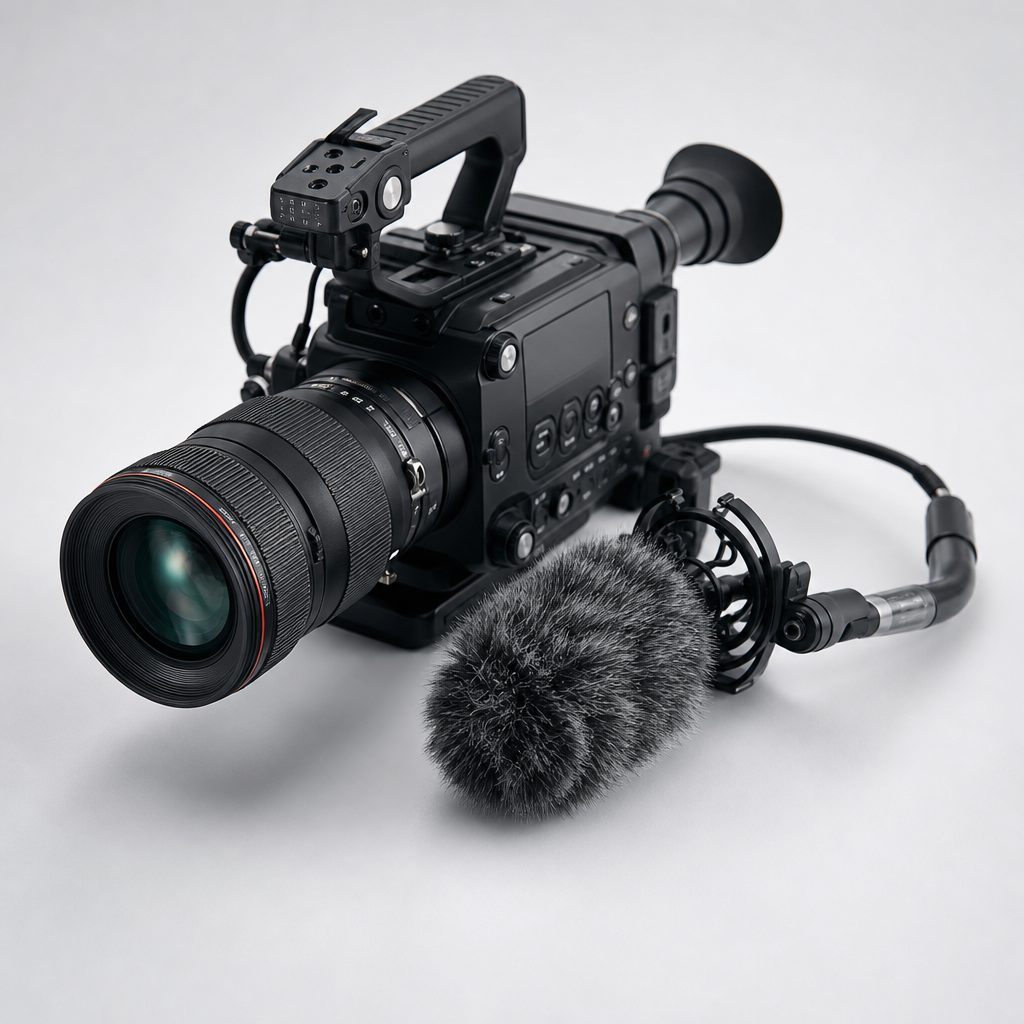
A customer testimonial video is usually built around one person’s authentic experience. It may include interview footage, workplace visuals and supporting cutaways, but the viewer’s focus is the client’s voice. The best testimonials feel specific, calm and believable rather than scripted or overly polished.
They suit websites, sales proposals, social campaigns, recruitment material and conference presentations. If your main need is client advocacy, Visionair Media’s video testimonials service explains how professionally filmed interviews can capture real customer stories without turning them into advertisements.
When testimonials work well
- You have loyal clients who are comfortable speaking on camera.
- The purchase decision depends heavily on trust, reassurance or peer recommendation.
- The message can be communicated in one to three minutes.
- You need versatile content for landing pages, sales teams or tender support.
The limitation is depth. A testimonial can show satisfaction, but it may not fully explain a complicated challenge, procurement context, technical process or measurable business change. If the audience needs evidence beyond sentiment, a testimonial alone can feel incomplete.

What case study videos do best
A case study video is more structured. It typically follows a narrative: the client’s situation, the challenge, the solution, the production or delivery process and the result. It may include interviews with several stakeholders, operational footage, graphics, product shots, drone filming or photography.
This format is valuable when your offer is complex, high value or difficult to explain in a single quote. A well planned case study can demonstrate how a project unfolded, why decisions were made and what another buyer can realistically expect. Visionair’s case study video production page is the most relevant next step for businesses comparing formats.
When case studies work well
- Your sales cycle involves multiple decision makers or risk review.
- The project has a clear before, during and after story.
- You need to explain process, safety, logistics or technical delivery.
- The video will support tenders, stakeholder engagement or board-level approval.
The trade-off is commitment. Case study videos usually require more planning, access, approvals and filming time. They can be harder to schedule because they involve real sites, client representatives and sometimes sensitive commercial information. They are powerful, but they are not always the quickest option.
Key differences at a glance
Think of a testimonial as a trust accelerator and a case study as a proof narrative. The testimonial answers, “Can we believe them?” The case study answers, “Can they solve a problem like ours, in circumstances like ours?”
If you are still defining the broader production approach, Visionair’s corporate video production services outline formats such as brand films, training content and project videos. For Sydney-based teams, the professional video production in Sydney page is useful for understanding local production support.
How to choose the right format
Start with the viewer’s question. If they are asking whether your people are trustworthy, start with a testimonial. If they are asking how your approach works, what obstacles appear and what evidence supports your capability, choose a case study.
Practical examples
- A software provider might use a testimonial on its website home page, then send a detailed case study to enterprise prospects during procurement.
- A construction supplier might film a site-based case study to show installation, compliance steps and collaboration, then create shorter testimonial edits for LinkedIn.
- A school, university or HR team may prefer testimonials when personal experience matters, although process-led projects may benefit from case studies.
Budget also matters. A testimonial shoot can often produce several short edits from one interview day, while a case study may need scouting, stakeholder interviews, b-roll and additional editing. Visionair’s video production pricing guide can help you understand common cost drivers before requesting proposals.
Planning and production considerations
Both formats rely on preparation. Interview questions should prompt stories, not slogans. Clients need enough context to feel comfortable, but they should not be coached into unnatural answers. Locations should be quiet, visually relevant and approved for filming.
For case studies, map the storyline before the shoot. Decide which moments need evidence: the initial issue, stakeholder involvement, delivery process, solution in use and reflections from the client. For testimonials, focus on clarity, emotion and concise examples.
How to compare video production providers
When reviewing suppliers, look beyond showreels. Ask how they prepare interviewees, manage approvals, protect sensitive information and adapt filming for active workplaces. Review whether their portfolio shows relevant sectors, clear audio, natural interview performances and disciplined editing.
Visionair Media is headquartered in Sydney, with offices in Melbourne, Brisbane, Canberra and Auckland, and works across corporate video production, commercial photography, drone filming and live streaming. Its projects and portfolio page can help buyers assess style, sector experience and production range.
Summary and next step
Use testimonial videos when you need human trust, peer reassurance and concise advocacy. Use case study videos when buyers need context, process and evidence. If the decision is strategic, plan both formats from one production where possible, so every interview serves a clear commercial purpose.
To discuss format, brief and budget, request a quote from Visionair Media.
About The Author
